Ford considers involuntary addiction treatment as mayors push for expanded mental health powers
Ontario Premier Doug Ford says he's open to exploring involuntary addiction treatment options as municipalities demand action on worsening mental health and homelessness crises.
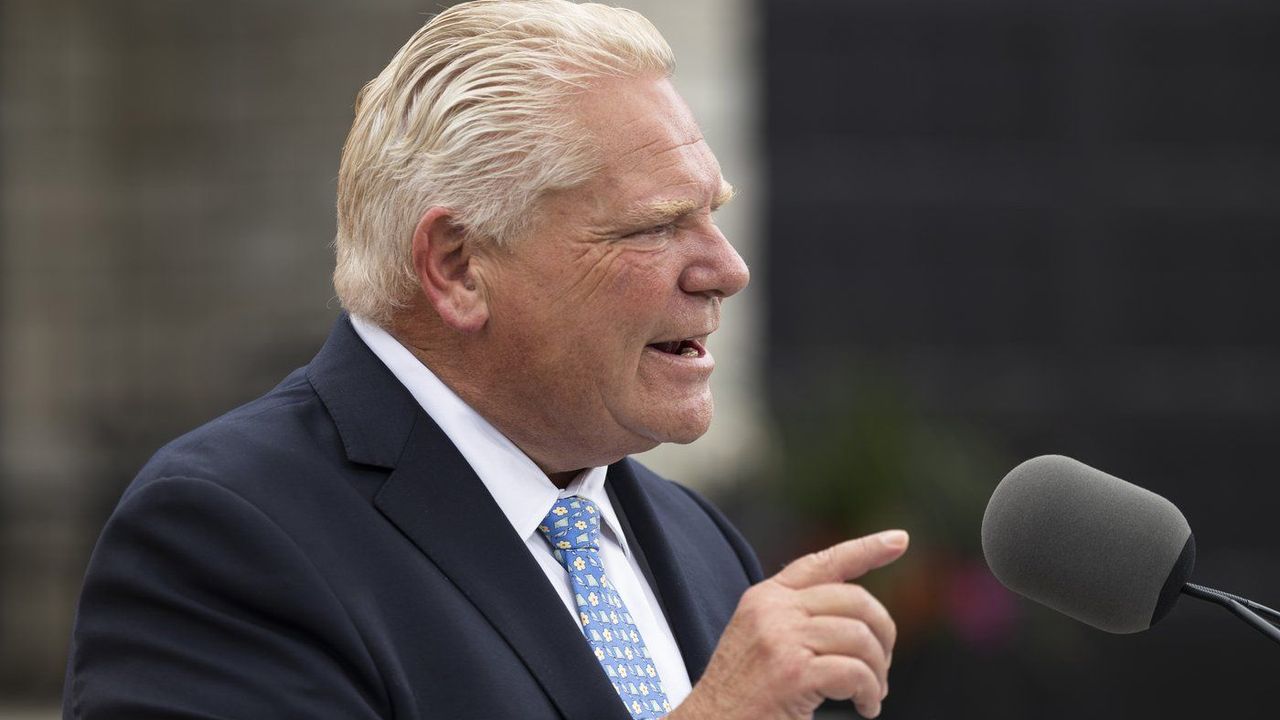
Ontario Premier Doug Ford has signaled willingness to consider involuntary addiction treatment programs as municipalities intensify pressure on the province to address spiraling mental health and homelessness crises. The shift comes amid growing frustration from city leaders who say existing laws fail to meet the scale of need following the pandemic's destabilizing effects across communities. With homelessness and addiction rates climbing sharply since COVID-19, the debate over balancing individual rights with public health interventions has taken on new urgency.
Ford's conditional support
During a Thursday cabinet shuffle that appointed Michelle Cooper as associate minister of mental health, Ford told reporters he would entertain involuntary treatment proposals provided they demonstrate tangible benefits.
"I'd be open to it as long as we can help them and help the communities,"Ford said, according to CityNews. The premier emphasized the need for municipal consultation, acknowledging local leaders' frustrations with bearing the brunt of addiction-related social costs that have strained budgets and emergency services.
Ford framed the issue as balancing societal responsibility with practical interventions.
"Do we force these people into treatment? We have a duty as a society to take care of these people and make sure they get the help that they need,"he said. The province currently studies involuntary treatment protocols within correctional facilities but hasn't advanced broader legislative changes. This cautious approach reflects the complex legal and ethical considerations surrounding coercive healthcare measures.
Municipal pressure mounts
The Ontario Big City Mayors caucus renewed its two-year-old demand for the province to overhaul mental health legislation, specifically targeting the Mental Health Act and Health Care Consent Act. These laws currently permit only brief involuntary hospitalizations, which municipal leaders argue are insufficient for addressing chronic addiction cases. In an August statement obtained by CityNews, the coalition warned:
"The reality is the crisis continues to worsen, and more people than ever are struggling across our province. Lives are at stake and the time to act is now."
The mayors first requested a review of these laws in 2021, citing growing challenges with street homelessness and public drug use. Ford acknowledged the need for coordinated action, stating
"there has to be a point with some good consultation with the mayors"regarding potential policy shifts. The renewed push comes as cities report increased costs for emergency services and social supports tied to untreated mental health and addiction issues.
Divergent approaches within government
Health Minister Sylvia Jones maintains a preference for voluntary treatment models despite not rejecting coercive options outright. She continues consulting experts on balancing individual rights with public health imperatives. This cautious stance contrasts with Ford's more receptive posture toward mayors advocating for expanded intervention powers.
The appointment of Cooper as mental health point person suggests the government recognizes mounting pressure to address systemic gaps. Her role could prove pivotal in reconciling ministerial differences and advancing coherent policies. The province's current study of involuntary treatment in correctional settings may inform broader policy decisions, though no timeline has been set for potential legislative changes.
Opposition and expert perspectives
Provincial Liberal mental health critic Lee Fairclough, a former CAMH executive, stressed the need for rights-respecting solutions.
"We must do that in a way that is compassionate, ethical, effective and consistent with the Charter,"she told CityNews. Fairclough argued the government should prioritize reducing wait times for voluntary treatment before considering compulsory measures, noting that many seeking help currently face lengthy delays accessing services.
Her comments highlight tensions between expanding state intervention powers and ensuring adequate baseline services. Critics contend involuntary treatment proposals risk outpacing capacity to deliver quality care, potentially exacerbating systemic shortcomings in Ontario's mental health infrastructure. The debate reflects broader questions about resource allocation and the appropriate balance between individual autonomy and community safety.
Legal framework and implementation challenges
Any move toward involuntary addiction treatment would require handling complex legal terrain. Canada's Charter of Rights and Freedoms establishes protections against arbitrary detention, while provincial health consent laws emphasize patient autonomy. Previous court challenges have struck down policies perceived as criminalizing addiction or mental illness, setting important precedents for any new initiatives.
The practical implementation of expanded involuntary treatment would face significant hurdles. Successful models in other jurisdictions typically require substantial investments in healthcare staffing, facility capacity, and long-term support services to prevent relapse. Ontario would need to assess whether its system could sustain such resource-intensive interventions while maintaining quality standards and respecting patients' rights.
Broader context of mental health care
The discussion about involuntary treatment occurs against a backdrop of longstanding challenges in Ontario's mental health system. Chronic underfunding, fragmented services, and gaps in community-based care have contributed to the current crisis. Many advocates argue that focusing solely on compulsory measures without addressing these systemic issues would prove ineffective.
The pandemic exacerbated existing vulnerabilities in the system, with increased substance use and mental health deterioration among marginalized populations. This has led to greater visibility of addiction-related harms in urban centers, fueling political pressure for immediate solutions. However, experts caution that sustainable progress requires comprehensive strategies combining prevention, treatment, housing, and social supports.
Path forward and considerations
Ford's openness to involuntary treatment signals a potential policy pivot as Ontario grapples with intersecting public health challenges. The premier's stance reflects mounting political pressure from municipalities overwhelmed by visible suffering and associated costs, particularly in urban centers where services are most strained.
Substantive action would require reconciling competing priorities: expanding state powers to compel treatment while safeguarding civil liberties, addressing immediate crises without neglecting systemic solutions, and balancing local demands with provincial oversight. The government's next steps could include broader consultations with healthcare providers, legal experts, and civil society groups to develop approaches that are both effective and rights-respecting.