Trump to Meet with NYC Mayor Mamdani During UN Visit, Continuing Complex Political Relationship
President Donald Trump and New York City Mayor Zohran Mamdani will hold discussions at Gracie Mansion next week, marking their third meeting since the democratic socialist mayor took office, in a relationship blending public clashes with private engagement.
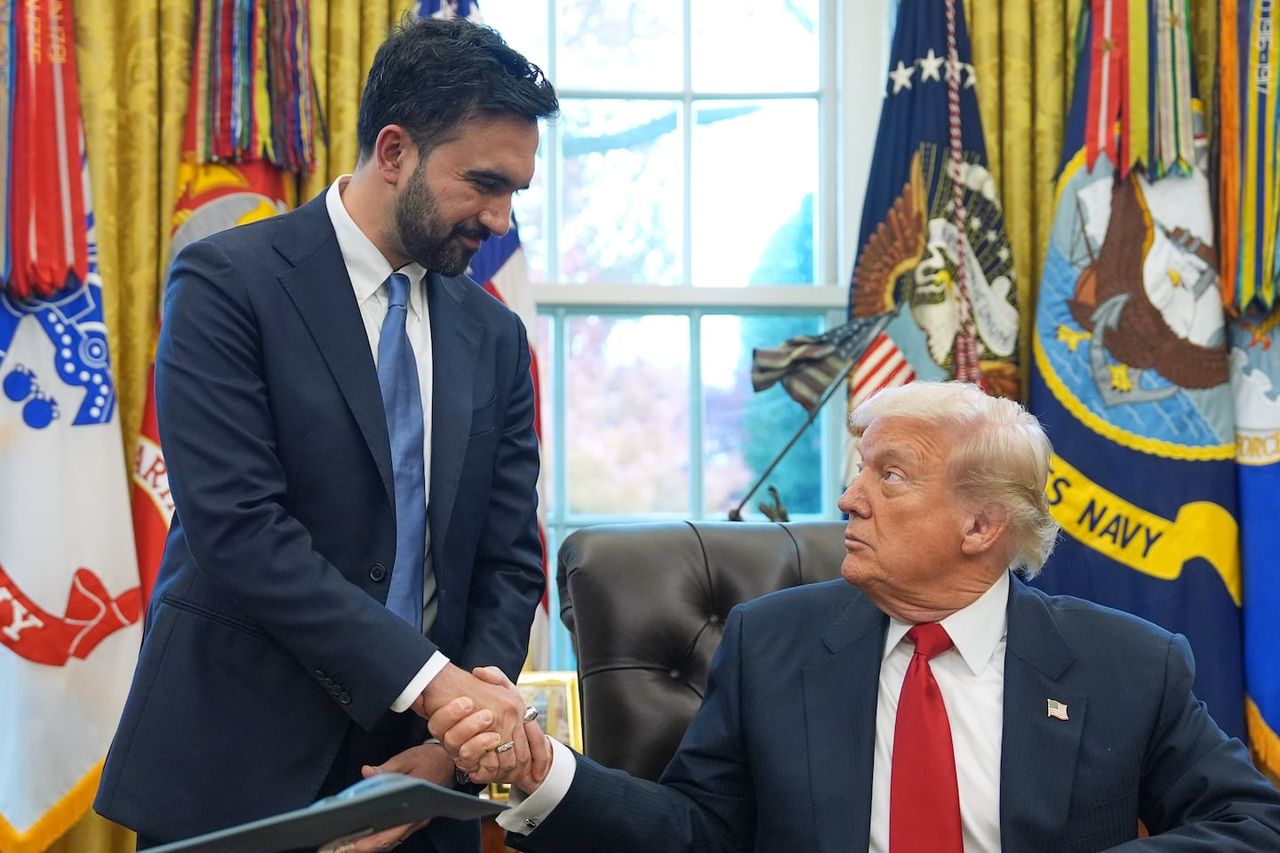
President Donald Trump will meet with New York City Mayor Zohran Mamdani at Gracie Mansion on Monday during the president's visit for the United Nations General Assembly, continuing a political relationship that has defied conventional expectations. This will be their third meeting since Mamdani took office, following previous encounters that combined substantive policy discussions with moments of unexpected political theater. The planned discussion between these ideologically opposed leaders provides a revealing case study in how contemporary American politics navigates deep ideological divides.
The Meeting Arrangements and Context
The White House confirmed the engagement at Gracie Mansion, the official mayoral residence since 1942, though officials declined to specify the meeting's full agenda. Anna Bahr, Mamdani's communications director, indicated the leaders would discuss issues affecting New York City and its residents. The timing coincides with the high-profile UN General Assembly gathering that brings world leaders to New York annually. This setting provides both logistical convenience and symbolic weight to the discussions, as the city serves as both the nation's urban center and a global diplomatic hub.
Evolution of an Unexpected Political Relationship
The relationship between Trump and Mamdani has followed an unconventional trajectory since the mayor's election. During the 2025 campaign, Trump publicly labeled Mamdani a "100% Communist Lunatic," reflecting Republican opposition to the democratic socialist's progressive platform. However, their first post-election meeting at the White House proved surprisingly cordial, with Trump suggesting the young mayor would "surprise some conservative people." This dynamic continued during their February meeting when Mamdani presented Trump with a mock New York Daily News front page reading "Trump to City: Let's Build" - a playful reference to the infamous 1975 headline "FORD TO CITY: DROP DEAD" about President Gerald Ford's stance on federal aid to New York.
Substance Behind the Symbolic Gestures
Mamdani's aides explained the newspaper mock-up served a strategic purpose beyond political theater. It aimed to demonstrate the potential public support and positive media coverage that could accompany new federal investments in housing. Affordable housing has been a central priority for Mamdani's administration, creating an area where progressive local goals might align with federal infrastructure initiatives. The mayor's approach reflects a pragmatic recognition that advancing urban policy objectives often requires engagement across ideological lines, especially when seeking federal resources.
The Broader Political Landscape
These meetings occur against a national backdrop of heightened tensions between progressive-led cities and conservative federal administrations. Major urban centers have become focal points in debates about policing, social services, and economic development. New York's status as America's largest city and financial capital adds particular significance to these discussions. The UN General Assembly timing suggests possible broader discussions about global urban challenges, including infrastructure, climate resilience, and economic recovery - all pressing issues for New York City.
Potential Policy Implications
While previous meetings yielded limited concrete policy outcomes, they established an important channel for direct communication between city and federal leadership. New York faces numerous challenges that require federal partnership, including aging transportation infrastructure, housing affordability, and economic revitalization post-pandemic. The continuation of dialogue suggests both leaders see value in maintaining this connection, despite their fundamental political differences. Local advocacy groups and business leaders will monitor whether this meeting produces any tangible commitments or simply maintains the relationship.
Analysis of the Political Dynamics
The Trump-Mamdani interactions reveal several important dynamics in contemporary governance. For Mamdani, the meetings demonstrate a governing approach that balances progressive principles with practical deal-making necessities - a tension many left-wing mayors face when leading complex urban governments. For Trump, engagement with a high-profile progressive opponent allows demonstration of outreach while maintaining red-meat rhetoric for his base. The relationship also highlights how local officials must sometimes separate personal rapport from policy disagreements to achieve results for constituents.
Historical Parallels and Precedents
History offers few direct parallels for this relationship, though past presidents have occasionally developed working relationships with ideological opponents in local government. The Gracie Mansion setting itself connects to this tradition, having hosted countless political meetings across party lines over decades. What makes this case distinctive is the combination of extreme public rhetoric with private engagement, reflecting our current polarized political era where public posturing and private pragmatism increasingly diverge.
Looking Forward
As the meeting approaches, key questions remain about whether these engagements will yield substantive policy results or remain symbolic. The continuation of dialogue itself holds value in an era of deep political division, suggesting that even staunch opponents can maintain communication channels. For New Yorkers, the ultimate measure will be whether these high-profile meetings translate into concrete benefits for the city's neighborhoods, businesses, and residents facing daily challenges in America's largest metropolis.