Tim Hortons draws younger crowd with matcha, boosts sales amid cost pressures
The chain's same-store sales in Canada rose 1.8 per cent last quarter, though higher gas prices are affecting some drive-through traffic.
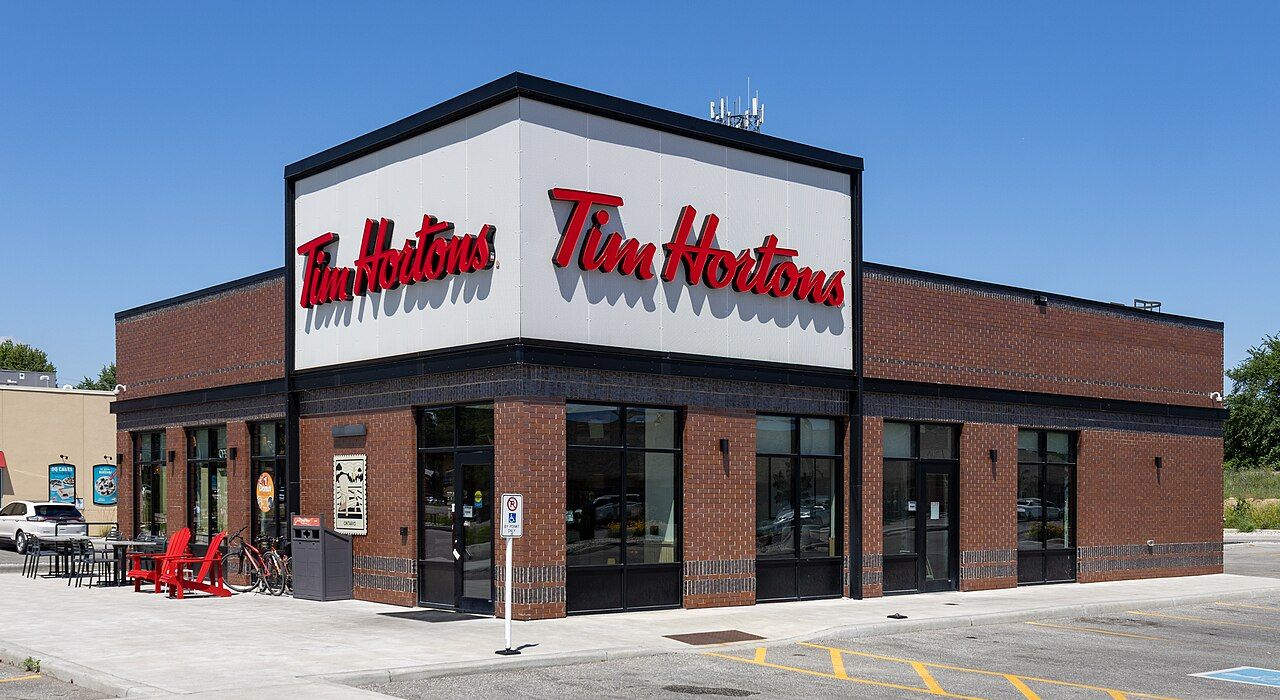
Tim Hortons reported a 1.8 per cent increase in Canadian same-store sales for its third quarter, an improvement over the prior quarter. The growth was slower than the 4.2 per cent rise seen a year earlier. Restaurant Brands International Inc., the chain's owner, said Thursday that matcha and other cold drinks are attracting younger Canadians. This new demand is helping the coffee-and-doughnut chain grow sales in a difficult consumer environment. Josh Kobza, chief executive of Restaurant Brands, said the chain is finding customers beyond its traditional morning coffee business.
"We're bringing in new guests that generally are younger, they skew more female, they come in the afternoon more often, and it's a little bit (of a) higher cheque," Kobza said during an earnings call. Sales of cold beverages in Canada climbed nearly five per cent during the quarter. Kobza noted that matcha drinks, introduced in July, have an unexpected sales pattern. "Interesting thing we've realized with matcha, it peaks on the weekends, so it's a pretty different behavioural profile from our traditional hot-brewed coffee in the morning," he said.
Higher gasoline prices are affecting customer behaviour, creating pressure from cost-of-living concerns. Kobza said the chain sees some impact in its drive-through locations, particularly in more rural markets. "If you think of the places where people have longer drive times, they're being mindful about the kilometres they're driving," he explained. The company is now looking to bring back discontinued menu items to attract customers after years of new product launches.
READ MORE: Rising diesel prices threaten to push food inflation higher after Thanksgiving
READ MORE: Canadians say grocery benefit too small to ease pressure of rising costs
Bringing back old favourites
Axel Schwan, president of Tim Hortons in Canada and the United States, said the chain will bring back more old favourites in the first quarter of 2027. He did not name the products but said they are returning due to customer requests. This follows the successful reintroduction of grilled cheese melts and the turkey bacon club with honey mustard earlier this year. Schwan also announced a holiday promotion tied to the 2003 film Elf, launching in November with a special menu.
Schwan said Tim Hortons remains focused on affordability as a key priority. "Tims was always well known for a very nice value-for-money equation," he said. "The everyday low price is the key formula for us." The chain is on track to open 80 new restaurants and renovate 400 locations in Canada this year as part of a $400-million investment. Hundreds more renovations and additional openings are planned for 2027.
Restaurant Brands reported a rise in third-quarter profit, aided by strength at its Burger King and Tim Hortons brands. Net income attributable to common shareholders was US$542 million for the quarter ended Sept. 30, up from US$315 million a year ago. That profit amounted to US$1.54 per diluted share, compared with 96 cents US per share last year. On an adjusted basis, earnings were US$1.10 per diluted share, up from US$1.03 per share a year earlier. Company revenue totalled US$2.53 billion, up from US$2.45 billion in the same quarter last year. System-wide sales reached US$12.97 billion, an increase from US$12.28 billion a year ago. Comparable sales for the quarter rose 3.8 per cent across the company's brands.
With files from The Canadian Press, BNN Bloomberg and Castanet