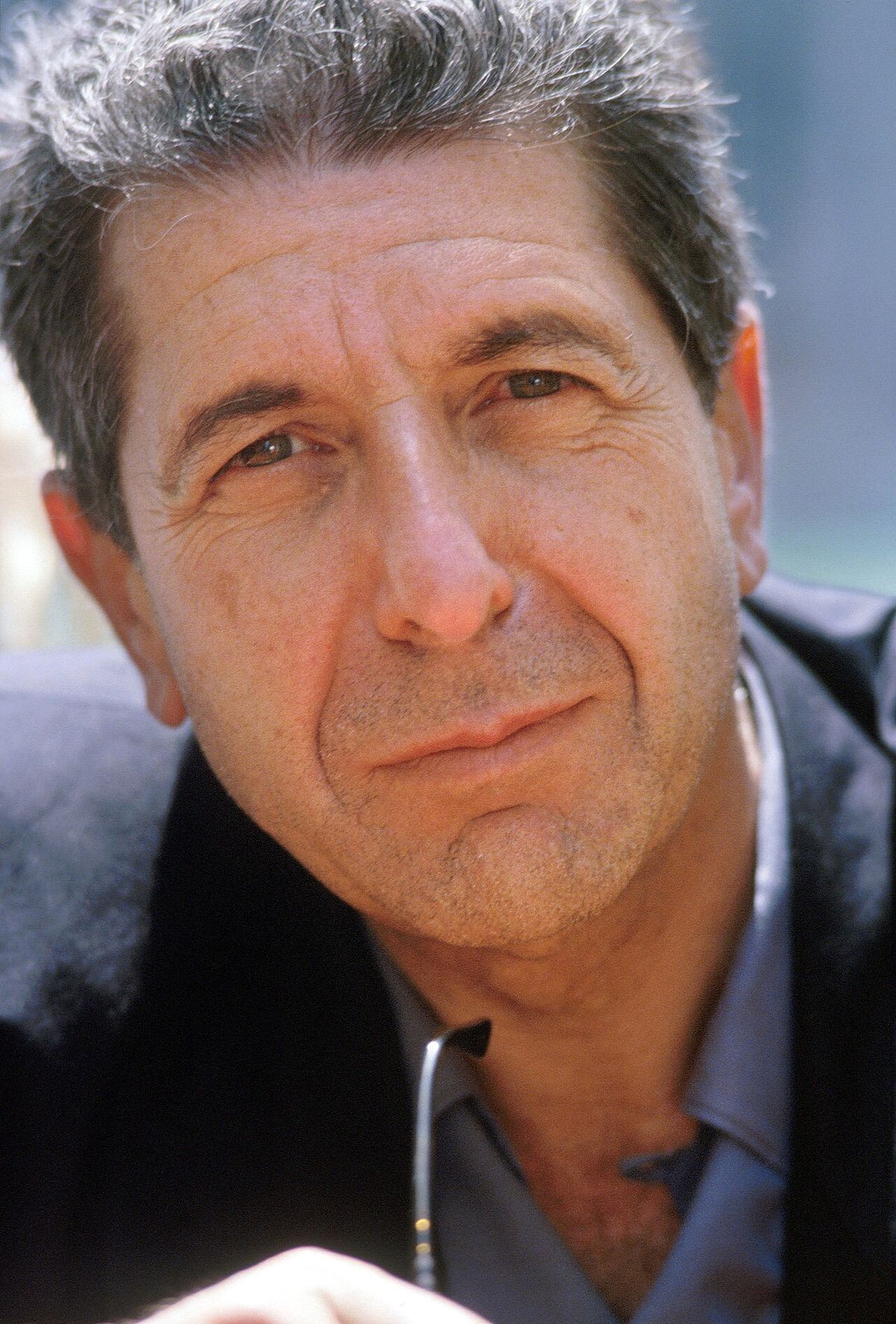
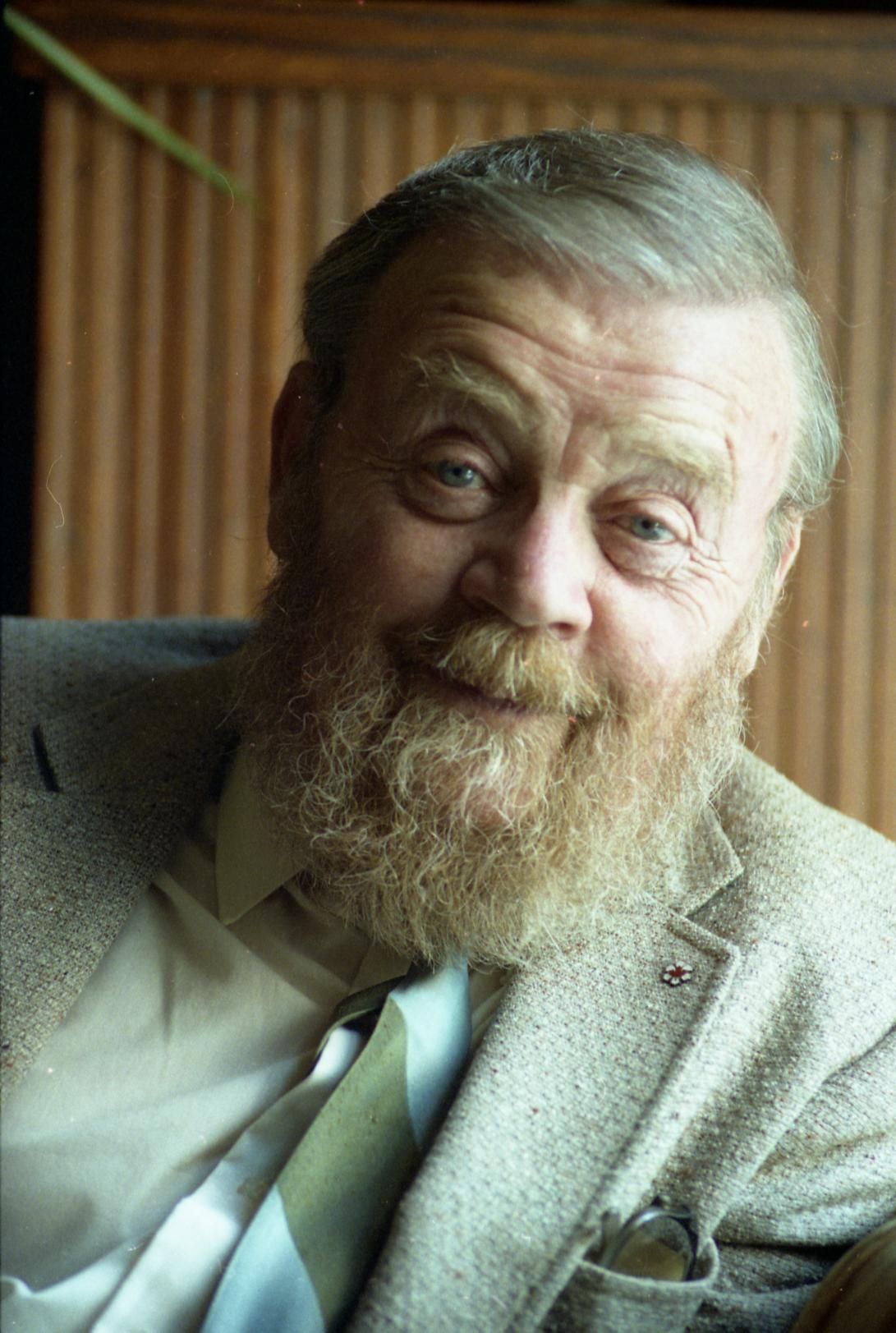
Farley Mowat
Farley McGill Mowat was a prolific Canadian writer and environmentalist whose evocative works on the Canadian North and its wildlife reached a global audience. His books, translated into 52 languages and selling over 17 million copies, played a central role in raising awareness of Inuit culture and ecological issues, though his blending of fact and fiction also attracted significant criticism. A decorated Second World War veteran, Mowat's literary career spanned more than six decades, earning him numerous accolades including the Governor General's Award and the Order of Canada. His passionate advocacy and distinctive narrative voice cemented his status as one of Canada's most recognized and controversial literary figures.
Early Life and Formative Years
Farley Mowat was born in Belleville, Ontario, and spent his early childhood in Richmond Hill and Windsor. His family background was distinguished, with his great-great-uncle being Ontario premier Sir Oliver Mowat and his father, Angus Mowat, serving as a librarian and a veteran of the Battle of Vimy Ridge. The family's move to Saskatoon, Saskatchewan, in the 1930s proved formative for the young Mowat, immersing him in the prairie landscape that would fuel his lifelong passion for the natural world. As a teenager, he wrote a column on birds for the Saskatoon Star-Phoenix and produced his own nature newsletter, called Nature Lore, demonstrating an early commitment to observing and documenting wildlife. He later enrolled at the University of Toronto to study zoology, though he never completed a formal degree. His first major field expedition occurred in the summer of 1939, when he and fellow student Frank Banfield collected biological specimens around Saskatoon, selling their collections of mammals and birds to the Royal Ontario Museum to finance their trip. Before enlisting for service in the Second World War, Banfield published his field notes in the Canadian Field-Naturalist, while Mowat published his own notes after returning from Europe.
Second World War Service
Mowat enlisted in the Canadian Army in July 1940, receiving a commission as a supernumerary second lieutenant in the Second Battalion of The Hastings and Prince Edward Regiment. He served overseas as a reinforcement officer and saw extensive combat, beginning with the initial landings of Operation Husky, the Allied invasion of Sicily, on July 10, 1943, where he commanded a rifle platoon as a subaltern. His service continued through the grueling Italian Campaign, including the brutal Battle of Ortona during the Moro River Campaign in December 1943, an experience where he suffered battle stress after an incident on Christmas Day involving a wounded friend. After this, he transferred to intelligence roles at battalion and later brigade headquarters, remaining with the 1st Canadian Infantry Division for most of the war and eventually rising to the rank of captain. In the war's final months, he operated as an intelligence agent in the Netherlands, crossing enemy lines to initiate unofficial negotiations with General Blaskowitz for humanitarian food drops, codenamed Operations Manna and Chowhound, which saved thousands of Dutch civilians from starvation in the final ten days before Germany's surrender. Mowat also formed the 1st Canadian Army Museum Collection Team, arranging for the shipment of several tons of captured German military equipment, including a piloted V1 rocket and several armoured vehicles, back to Canada for display at institutions like the Canadian War Museum. He was discharged with the rank of captain after declining a promotion to major, and was entitled to six service medals including the Italy Star and the France and Germany Star.
Post-War Fieldwork and Early Writing
After the war, Mowat returned to his interest in northern ecology, working as a field technician for American naturalist Francis Harper's study of barren-ground caribou around Nueltin Lake in 1947. This expedition introduced him to the harsh realities of life in the North, including meeting two young Inuit, fifteen-year-old Luke Anowtalik and his sister Rita, who were the sole survivors of a village starvation. Clashing with Harper, Mowat undertook his own explorations, and the two men later agreed never to mention each other in their future writings, a promise also extracted from Mowat by later field companions. In the late 1940s, he was hired by his former university colleague Frank Banfield, then Chief Mammalogist of the newly formed Canadian Wildlife Service, as a field assistant for a major multi-year caribou investigation. Mowat was part of a four-researcher team but was eventually fired by the chief of the Canadian Wildlife Service due to complaints from local populations and a lack of formal approval for some activities. These northern experiences directly inspired his literary career, beginning with his explosive first book, People of the Deer, published in 1952, which highlighted the dire conditions faced by the Ihalmiut Inuit and launched him as a popular and controversial figure. The book was serialized in the Atlantic Monthly and won the Anisfield-Wolf Book Award in 1953, despite receiving some hostile reviews questioning the existence of the people he described.
Literary Career and Major Works
Mowat's literary output was vast and varied, encompassing autobiography, nature writing, history, and children's literature. His affiliation with publisher McClelland and Stewart began in 1955 with The Regiment, a history of his wartime unit, and he developed a lifelong friendship with publisher Jack McClelland. Mowat achieved critical and commercial success across multiple genres, with several of his books becoming Canadian classics. His 1956 children's adventure novel Lost in the Barrens won the Governor General's Award and the Canadian Library Association Book of the Year for Children Award in 1958. In 1963, he published Never Cry Wolf, a possibly fictionalized account of his experiences with Arctic wolves that was later adapted into a major film in 1983. Many of his works were autobiographical, such as Owls in the Family about his childhood, The Boat Who Wouldn't Float about his time in Newfoundland, and And No Birds Sang about his infantry combat in Italy. He also ventured into speculative history with books like Westviking (1965) and The Farfarers (1995), which proposed that a people he called the Albans preceded the Norse in the Arctic. His 1987 biography of murdered primatologist Dian Fossey was published in Canada as Virunga: The Passion of Dian Fossey and in the United States as Woman in the Mists. Mowat also faced political controversy in 1985 when he was denied entry to the United States for a book tour promoting Sea of Slaughter, an experience he documented in My Discovery of America. He believed American gun lobbyists were behind the denial, which was justified under laws barring suspected communist sympathizers, laws that were overturned in 1990.
Farley Mowat wrote notable books across several genres. His works on the Canadian north, such as People of the Deer and Never Cry Wolf, brought him fame. He also wrote autobiographical works like Owls in the Family about his childhood, And No Birds Sang about his World War II service, and The Boat Who Wouldn't Float about his time in Newfoundland. Mowat authored children's books such as Lost in the Barrens and produced biographical works like his 1987 book about Dian Fossey.
- Northern Advocacy & Nature: People of the Deer (1952), Never Cry Wolf (1963), Sea of Slaughter (1985).
- Children's Literature: Lost in the Barrens (1956), Owls in the Family (1962), The Dog Who Wouldn't Be (1957).
- Autobiography: And No Birds Sang (1979, war memoir), The Boat Who Wouldn't Float (1969, Newfoundland life).
- History & Speculation: Westviking (1965), The Farfarers (1995).
- Biography: Virunga: The Passion of Dian Fossey (1987).
- Other Works: Coppermine Journey (1958), The Grey Seas Under (1959), The Serpent's Coil (1961).
Controversy and Critical Reception
Mowat's literary approach, which he summarized with the phrase that he "never let the facts get in the way of the truth", generated significant and sustained criticism from academics and scientists. His former colleague Frank Banfield published a scathing 1964 review of Never Cry Wolf in the Canadian Field-Naturalist, comparing it to the fairy tale Little Red Riding Hood and disputing its scientific claims. Renowned wolf expert L. David Mech later stated that Mowat's depiction of wolves primarily subsisting on small prey was fictional and that no scientist had observed such behaviour, adding that Mowat was not a scientist and his book was fiction presented as truth. Mowat's linguistic abilities were also questioned by Duncan Pryde, a Hudson's Bay Company trader and linguist, who pointed out that when Mowat visited Baker Lake in 1958 he could barely speak a word of the Inuit language, contradicting Mowat's claim of having learned it quickly a decade earlier. His historical work, particularly The Farfarers, was described by Canadian Geographic as a "highly speculative blend of history and archeology" that was not supported by professional archaeologists, though the review noted such writing could suggest avenues for future research. Despite these critiques, supporters argued that his dramatic storytelling was instrumental in drawing public and political attention to the plight of the Inuit and pressing environmental crises, ultimately leading to substantive policy changes in Ottawa. Even his first book, People of the Deer, received a dismissive review in The New York Times Book Review and hostile notices in The Beaver, though it was also showered with glowing international reviews.
Awards, Honours, and Affiliations
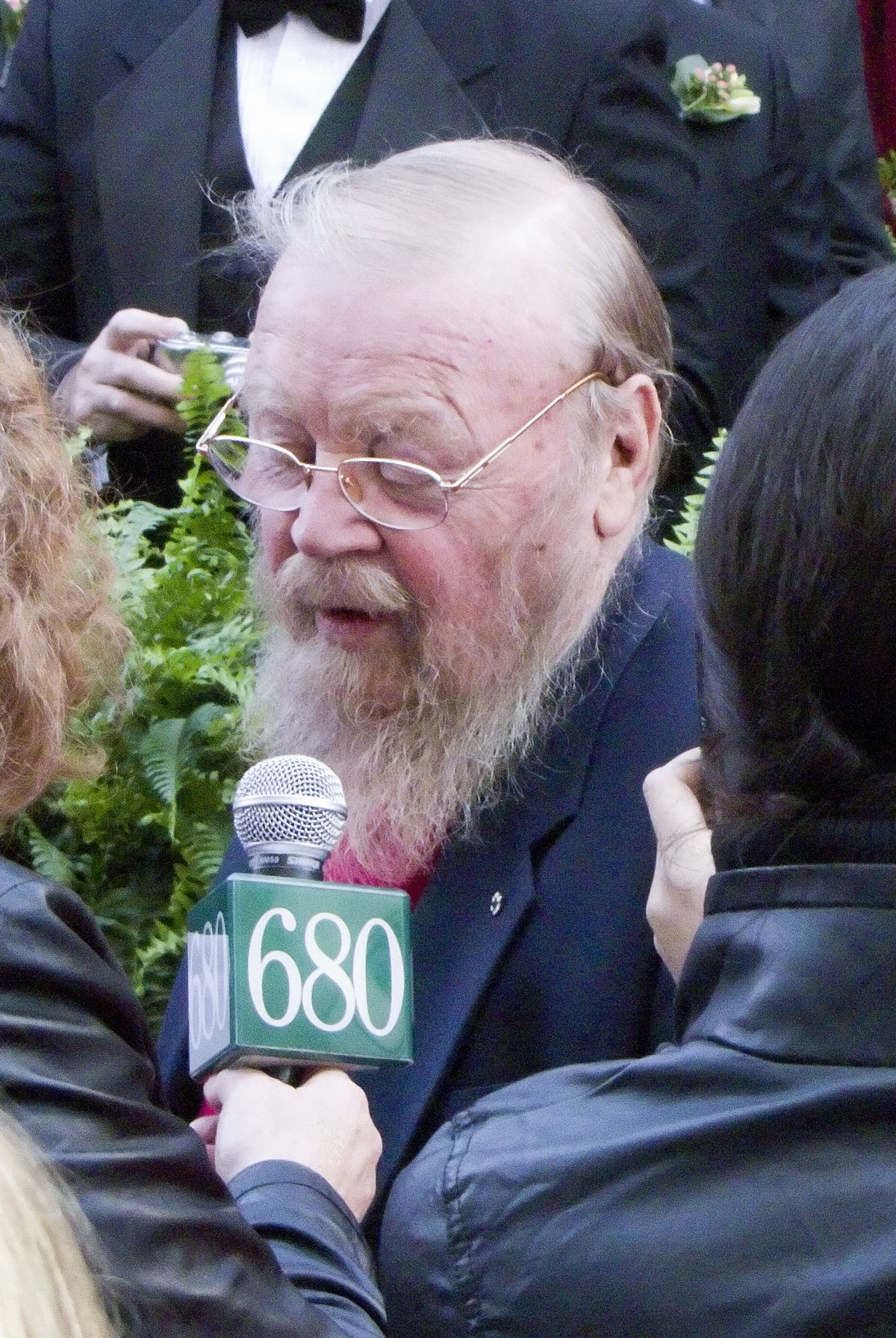
Over his long career, Farley Mowat received numerous awards and honours recognizing his contributions to literature and environmentalism. His children's novel Lost in the Barrens won the Governor General's Award for Juvenile Fiction in 1956 and the Canadian Library Association Book of the Year for Children Award in 1958. He received the Vicky Metcalf Award for Children's Literature in 1970 and the Stephen Leacock Memorial Medal for Humour for The Boat Who Wouldn't Float that same year. In 1981, he was appointed an Officer of the Order of Canada, having previously received the Canadian Centennial Medal in 1967 and the Queen Elizabeth II Silver Jubilee Medal in 1977. Mowat was also a committed activist, serving as a strong supporter and fundraiser for the Green Party of Canada and a close friend of its leader, Elizabeth May. He donated over 200 acres of his land on Cape Breton Island to the Nova Scotia Nature Trust in 2007 and was an honorary director of the North American Native Plant Society, having been described as a life-long socialist. His legacy was further honoured with a star on Canada's Walk of Fame in 2010, a lifetime achievement award from the National Outdoor Book Award in 2005, and a life-sized sculpture unveiled at the University of Saskatchewan in 2014, shortly after his death. The sculpture was commissioned by businessman Ron Rhodes, executed by artist George Bartholomew Boileau, and Mowat had seen the finished clay model months before he died.
Farley Mowat received many honours and awards across decades. In the 1950s, he won the Governor General's Award for Juvenile Fiction and the Anisfield-Wolf Book Award. The 1970s brought the Vicky Metcalf Award for Children's Literature and the Stephen Leacock Memorial Medal for Humour. During the 1980s, he was named Author of the Year by the Canadian Booksellers Association. In 2005, he received a Lifetime Achievement Award from the National Outdoor Book Award. He was appointed an Officer of the Order of Canada in 1981.
- 1950s: President's Medal, University of Western Ontario (1952). Anisfield-Wolf Book Award (1953). Governor General's Award (1956). Canadian Women's Clubs Award (1958). Hans Christian Andersen International Award (1958).
- 1960s: Boys' Clubs of America Junior Book Award (1962). National Association of Independent Schools Award (1963). Hans Christian Andersen Honours List (1965).
- 1970s: Vicky Metcalf Award (1970). Stephen Leacock Memorial Medal (1970). Mark Twain Award (1971). Curran Award for wolf understanding (1977).
- 1980s: Knight of Mark Twain (1980). Order of Canada (Officer, 1981). Author's Award for Sea of Slaughter (1985). Canadian Booksellers Association Author of the Year (1988). Gemini Award for documentary script (1989).
- 1990s & 2000s: Back the Nation Award, Council of Canadians (1991). Lifetime Achievement Award, National Outdoor Book Award (2005). Star on Canada's Walk of Fame (2010).
Mowat received nine honorary doctorates from Canadian universities between 1970 and 1996. These included a Doctor of Letters from Laurentian University in 1970 and a Doctor of Laws from the University of Toronto in 1973. He also received honorary degrees from Queen's University in 1995 and McMaster University in 1994. As an Officer of the Order of Canada appointed in 1981, he later automatically qualified for the 125th Anniversary of the Confederation of Canada Medal in 1992. He also qualified for the Queen Elizabeth II Golden Jubilee Medal in 2002 and the Queen Elizabeth II Diamond Jubilee Medal in 2012.
Later Life, Legacy, and Archives
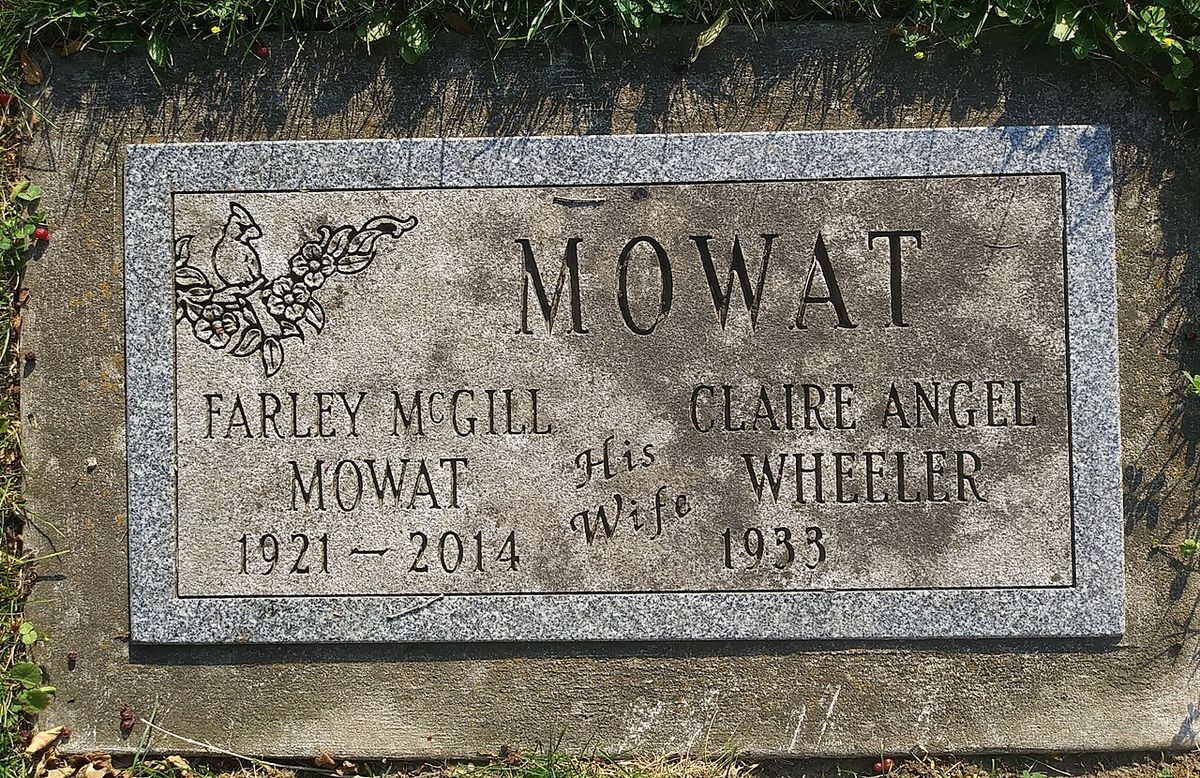
In his later years, Mowat lived with his second wife, Claire, dividing their time between Port Hope, Ontario, and a farm on Cape Breton Island. He attended a local Anglican church in Port Hope about monthly, with Claire noting he was more spiritual than religious, and Mowat himself comparing his belief in God to that of his dog. He remained engaged with public issues until the very end, giving a radio interview on CBC's The Current just days before his death to argue against providing Wi-Fi in national parks. Mowat passed away on May 6, 2014, at the age of 92, and was buried at the historic St. Mark's Anglican Church cemetery in Port Hope. His extensive archives, including his manuscripts and papers, are held at the William Ready Division of Archives and Research Collections at McMaster University in Hamilton, Ontario. In 2012, the independent publisher Douglas & McIntyre created the Farley Mowat Library series to re-release many of his most popular titles in new print and e-book editions. Mowat's influence extends beyond literature into popular culture. The lovable sheepdog in Lynn Johnston's comic strip For Better or For Worse was named Farley in his honour, and he is considered a saint within the fictional God's Gardeners sect in Margaret Atwood's novel The Year of the Flood. The Sea Shepherd Conservation Society also named its vessel the RV Farley Mowat in his honour in 2002, a ship he frequently visited and supported financially. His body of work continues to be celebrated and debated, ensuring his enduring presence in the canon of Canadian letters and environmental thought.
Questions about Farley Mowat
What is Farley Mowat most famous for?
Farley Mowat is most famous for his bestselling books about the Canadian North and its wildlife, particularly Never Cry Wolf (1963) and People of the Deer (1952). These works brought international attention to Inuit cultures and environmental issues, though they were also controversial for their blending of fact and fiction. His children's book Lost in the Barrens, which won a Governor General's Award, is also a classic of Canadian literature. His works have been translated into 52 languages and sold over 17 million copies.
Was Farley Mowat a soldier?
Yes, Farley Mowat served as a captain in the Canadian Army during the Second World War. He was commissioned into The Hastings and Prince Edward Regiment and saw combat in the Allied invasions of Sicily and Italy, including the Battle of Ortona. Later, he served as an intelligence officer in northwest Europe, where he helped negotiate humanitarian food drops for the Dutch population in the war's final days. He also formed a team that collected German military equipment for Canadian museums.
Where did Farley Mowat live?
Farley Mowat was born in Belleville, Ontario, and grew up in Richmond Hill, Ontario. His family also lived in Windsor, Ontario, from 1930 to 1933. In the 1930s, his family moved to Saskatoon, Saskatchewan, where he spent his formative teenage years. In his later life, Mowat lived with his wife Claire in Port Hope, Ontario, and spent summers on a farm on Cape Breton Island in Nova Scotia.
How many books did Farley Mowat sell and what was his political affiliation?
Farley Mowat's books sold more than 17 million copies worldwide and were translated into 52 languages. He was a strong supporter of the Green Party of Canada and a close friend of its leader Elizabeth May. The Green Party sent a direct mail fundraising appeal in Mowat's name in June 2007. He also became a patron of the Nova Scotia Nature Trust by donating over 200 acres of his land in Cape Breton Island and was an honorary director of the North American Native Plant Society.
Why was Farley Mowat's work controversial?
Farley Mowat's work was controversial because he prioritized advocacy and narrative impact over strict factual accuracy, famously stating he "never let the facts get in the way of the truth. His book Never Cry Wolf was heavily criticized by scientists like former colleague Frank Banfield, who compared it to a fairy tale, and wolf expert L. David Mech, who labelled it fiction. Linguist Duncan Pryde also challenged Mowat's claim of quickly mastering the Inuit language. His speculative historical work The Farfarers, which proposed pre Norse settlement in the Arctic, was not supported by professional archaeologists. Despite this, his supporters argued his literary exaggerations successfully drew attention to serious environmental issues and the plight of the Inuit.
What awards did Farley Mowat win?
Farley Mowat won numerous prestigious awards throughout his career. In the 1950s, he won the Governor General's Award for Juvenile Fiction in 1956 for Lost in the Barrens and the Anisfield Wolf Book Award in 1953 for People of the Deer. He received the Vicky Metcalf Award for Children's Literature in 1970 and the Stephen Leacock Memorial Medal for Humour that same year for The Boat Who Wouldn't Float. Later honours included being named Canadian Booksellers Association Author of the Year in 1988. In 1981, he was made an Officer of the Order of Canada. He also received nine honorary doctorates from universities including the University of Toronto and Queen's University.
Sources and further reading
- Farley Mowat (Wikipedia)
- Farley Mowat: books, biography, latest update (amazon.ca)
- Farley Mowat (thecanadianencyclopedia.ca)
Checked by the Yadude Books desk. Last updated 2026-11-03.