Canadian North
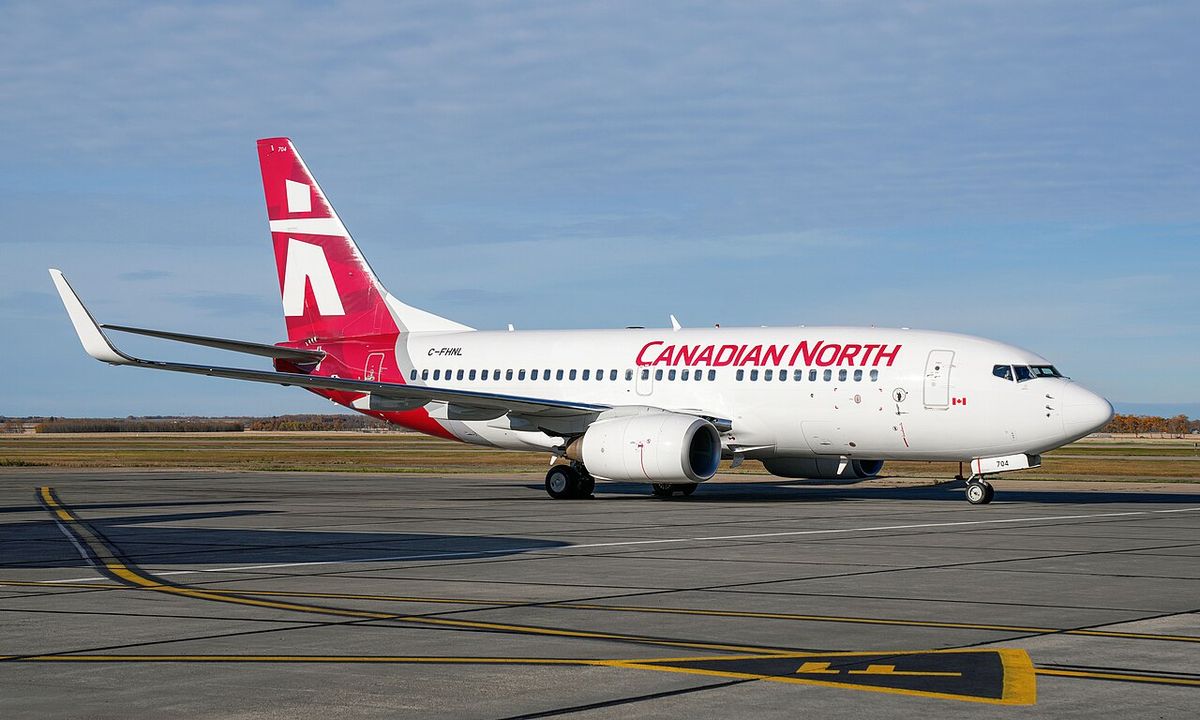
Canadian North, operating as Bradley Air Services, is a Canadian airline headquartered in Ottawa, Ontario, specializing in scheduled passenger and cargo services to northern communities. It is a vital transportation link, connecting destinations in the Northwest Territories, Nunavut, and the Nunavik region of Quebec with southern hubs like Edmonton and Ottawa. The airline emerged from the 2019 merger of Canadian North and First Air, uniting two historic northern carriers under a single brand owned by Inuit development corporations until its 2025 sale. It serves as an essential lifeline for remote communities, supporting economic development and mobility across the Arctic.
History and formation
The airline now known as Canadian North has a complex history stemming from the merger of two long-serving northern carriers. Canadian North was originally established in 1989 as a subsidiary of Canadian Airlines International, created specifically to serve northern Canadian communities. Its operational roots trace back to historic operators like Nordair and Pacific Western Airlines, which had extensive Arctic networks. In September 1998, the airline was purchased by Norterra, a holding company owned equally by the Inuvialuit Development Corporation, representing the Inuvialuit of the western Arctic, and Nunasi Corporation, representing the Inuit of Nunavut. This ownership structure positioned the airline as a key Inuit-owned enterprise for nearly three decades. The airline adopted its final pre-merger logo in 2003, featuring symbols of the North including the polar bear, the midnight sun, and the Northern Lights. The other major lineage of the modern airline began with Bradley Air Services, founded by aviation pioneer Russel Bradley in 1946, which later operated under the trade name First Air. Starting as a flying school in Ottawa, it moved to Carp, Ontario, in the fall of 1946 and began scheduled passenger service in 1973 between Ottawa and North Bay, Ontario, using an eight-seat aircraft. For many years, Canadian North and First Air operated as competing, Inuit-owned airlines serving overlapping northern markets, with Canadian North headquartered in Calgary and Yellowknife and First Air based in Kanata, Ontario.
Discussions to merge the two airlines began in earnest in April 2014 after the Inuvialuit Development Corporation purchased Nunasi's 50% share in Norterra, gaining full control of Canadian North. Initial negotiations with Makivvik Corporation, owner of First Air, were announced but a merger did not proceed at that time, though a codeshare agreement was established. A definitive merger agreement was finally signed on 28 September 2018 between Makivvik and the Inuvialuit Corporate Group. The merger received federal government approval on 19 June 2019, subject to conditions, and was completed on 1 November 2019. The combined entity operated under the Canadian North name using the IATA code 5T, retiring First Air's 7F code, and initially used the First Air livery. By December 2021, operations were fully unified under the Canadian North name with a new livery, and the call signs 'First Air' and 'Empress' were retired in early 2021 in favour of the single call sign 'Arctic'.
Ownership transition and recent developments
Following the merger, Canadian North remained jointly owned by the Inuvialuit Development Corporation and Makivvik Corporation, representing Inuit shareholders in the western and eastern Arctic respectively. This period saw fleet modernization and network adjustments. The airline confirmed in December 2022 that it would retire its last Boeing 737-200 aircraft, a workhorse equipped with a gravel kit for northern runways, by early 2023. This aircraft made its final scheduled passenger flight on 6 May 2023, with the airline planning to replace its capabilities with suitable turboprop aircraft. In 2024, Canadian North entered an interline partnership with Air Greenland, providing timed connections for passengers from Kuujjuaq, Montreal, and Ottawa to Air Greenland's weekly flight between Nuuk and Iqaluit, enhancing international connectivity for Nunavut. A major ownership change was announced on 24 February 2025, when Makivvik and the Inuvialuit Development Corporation announced the sale of Canadian North to Winnipeg-based Exchange Income Corporation for $205 million.
The sale of Canadian North was approved by regulatory authorities. The transaction was completed on 2 July 2025. This ended a period of Inuit corporate ownership that began in 1998. The airline's headquarters are in Ottawa, Ontario.
Destinations and network
Canadian North operates an extensive scheduled network focused on Canada's Arctic regions, serving as a critical lifeline for isolated communities. As of August 2025, the airline services 28 domestic scheduled destinations. Its primary southern gateways are Edmonton International Airport and Ottawa Macdonald-Cartier International Airport, which connect to major national and international networks. From these hubs, Canadian North flies to numerous communities across the Northwest Territories and Nunavut. Key northern hubs include Yellowknife in the Northwest Territories and Iqaluit in Nunavut, where the airline maintains regional offices to support operations and customer service. The airline's route expansion has been strategic and community-focused, beginning service to Kitikmeot communities in June 2007 and to the Qikiqtaaluk Region in April 2008.
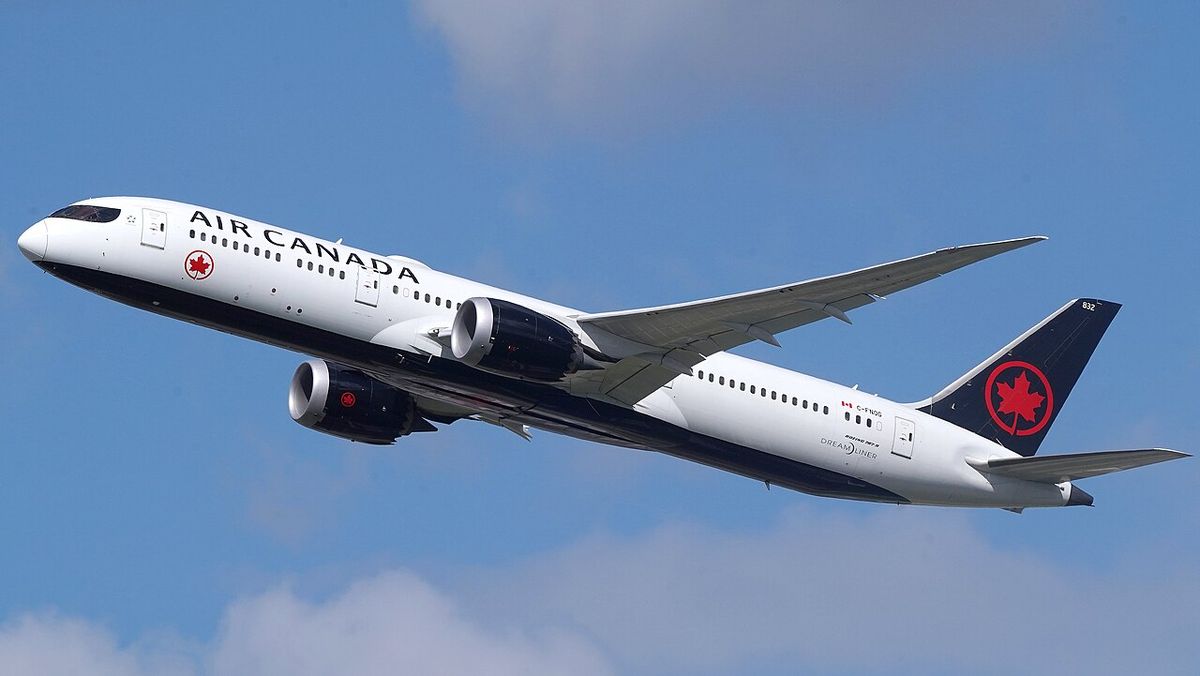
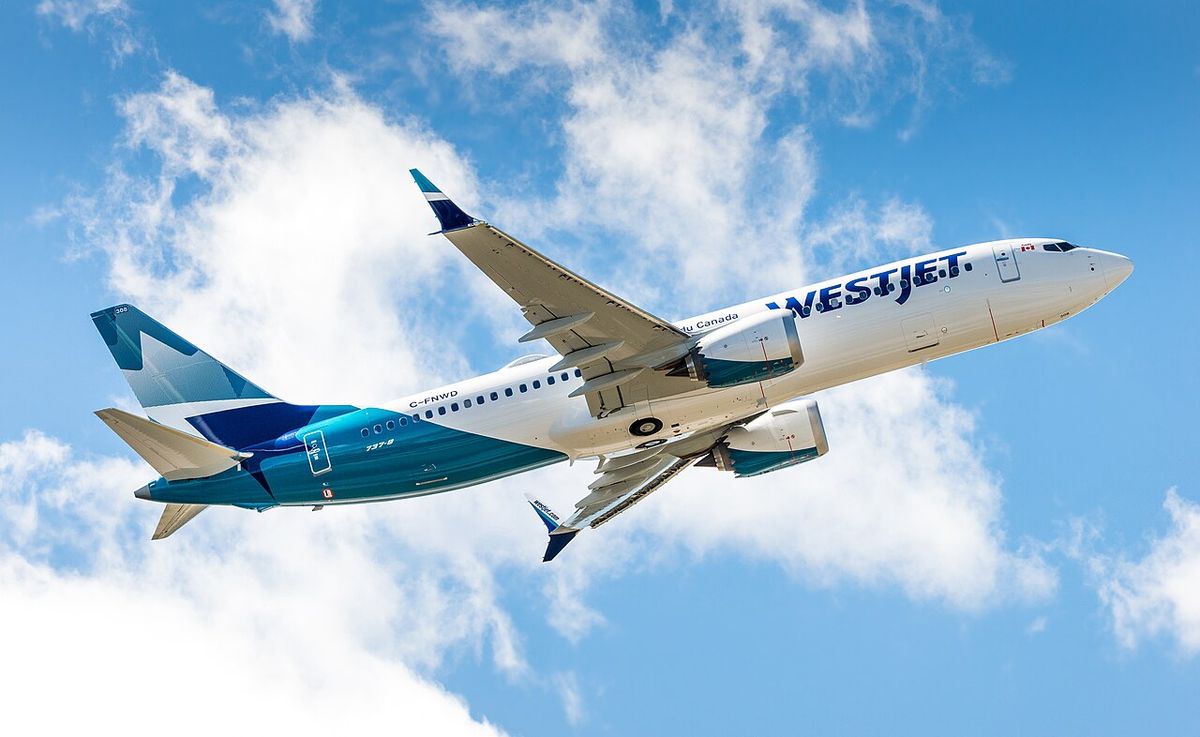
Beyond its scheduled services, Canadian North maintains a charter operation, offering flights to destinations across continental North America. The airline operates charter terminals in Edmonton to facilitate these services, which are vital for resource projects, medical evacuations, and group travel. Canadian North has established interline agreements with several airlines to extend its network reach and offer passengers coordinated travel options. Its partners include Air Canada, Air Greenland, and WestJet. These agreements allow for through-ticketing and baggage transfer between airlines. The airline also has codeshare agreements with regional carriers Air North and Calm Air, further integrating northern air travel. The partnership with Air Greenland links Canadian North's network in Nunavik and Nunavut with Greenland's capital, Nuuk, fostering international connections within the Arctic.
Fleet composition and evolution
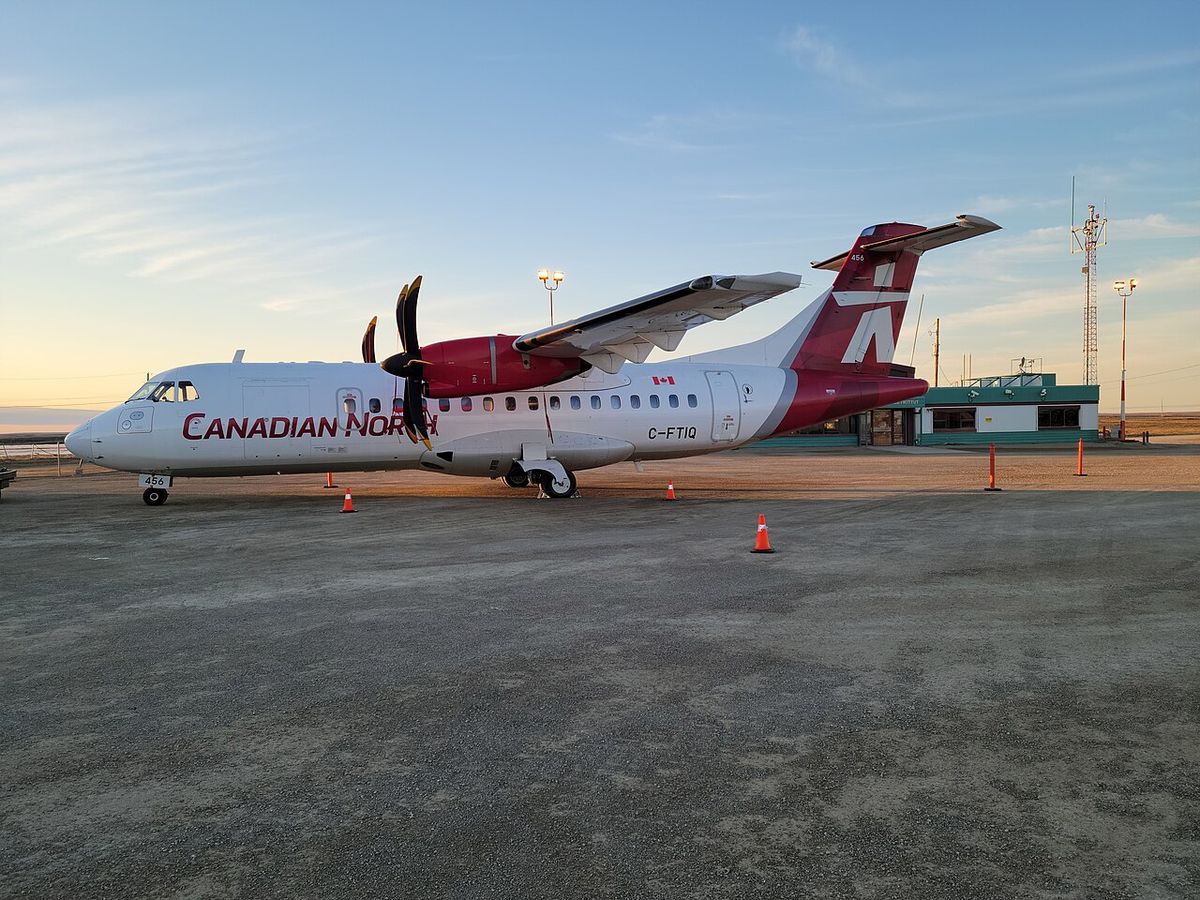
Canadian North operates a mixed fleet of jet and turboprop aircraft tailored for the challenging conditions of northern aviation, including gravel runways and remote airports with limited infrastructure. As of 21 May 2026, the entire fleet of 33 aircraft is registered to its legal operating name, Bradley Air Services. The fleet has been consolidated under this single registration following the merger, streamlining operational and regulatory processes. The composition reflects the need for versatility, with aircraft capable of carrying both passengers and cargo on varied runway surfaces across its vast network. Over its history, the airline has operated several aircraft types that have since been retired, including the Boeing 737-200 which was often equipped with gravel kits.
The most notable retired aircraft was the Boeing 737-200 and 737-200C combi aircraft, which were equipped with gravel kits enabling operations on unpaved runways common in the North. The last of these aircraft was retired from scheduled passenger service in May 2023. Other retired types include the Fokker F28 Fellowship, the Fokker 100, and the De Havilland Canada Dash 8. The retirement of older jets has been part of a fleet renewal strategy aimed at improving fuel efficiency, reliability, and passenger comfort. The following table illustrates the fleet transition by highlighting key retired aircraft types and their notable features for northern operations:
| Aircraft Type | Role | Notable Feature for Northern Service |
|---|---|---|
| Boeing 737-200 / 200C | Jet passenger/cargo | Equipped with gravel runway kit |
| Fokker F28 Fellowship | Jet passenger | Short-field performance |
| Fokker 100 | Jet passenger | Derived from F28, listed as F.28 Mk 0100 |
| De Havilland Dash 8 | Turboprop passenger | Versatile for shorter runways |
The airline retired its last Boeing 737-200 by early 2023. It replaced this aircraft with turboprop aircraft with similar gravel runway capabilities. The fleet is registered to Bradley Air Services. The airline has an operations office on the grounds of Edmonton International Airport in Edmonton, Alberta.
Corporate structure and operations
Canadian North's corporate headquarters are located in Ottawa, Ontario. Historically, Canadian North had its headquarters in the Northwest Tower in downtown Yellowknife, reflecting its deep roots in the territorial capital. These offices were later moved to a facility on the grounds of Calgary International Airport in Calgary, Alberta, though community and marketing support staff remained in Yellowknife. Following the merger with First Air, the Calgary headquarters was shut down and remaining management functions were transferred to Kanata, Ontario, which was First Air's historical base. The airline now centralizes its executive and administrative functions from Ottawa, maintaining a distributed operational footprint to effectively manage its far-reaching network.
Canadian North has regional offices in Iqaluit, Nunavut, and in Yellowknife, Northwest Territories. It also has an operations office in Edmonton, Alberta, on the grounds of Edmonton International Airport. The company headquarters are in Ottawa, Ontario. This structure supports its operations across northern and southern Canada.
Customer programs and community services
Canadian North offers a range of customer services and loyalty programs designed for its unique passenger base. Its in-flight service includes features such as leather seating, advanced seat selection, and complimentary newspapers and magazines. For families travelling with children, the airline provides free colouring books and crayons. The airline participates in major Canadian loyalty programs, allowing passengers to both collect and redeem Aeroplan miles on its flights. Passengers may redeem Air Miles points for travel on Canadian North, providing flexibility for reward seekers. The airline operates its own proprietary frequent-flyer program called Aurora Rewards, with an elite tier known as Aurora Concierge.
Benefits of Aurora Concierge membership are tailored for frequent northern travellers and include priority check-in, baggage handling, and boarding, an extra piece of checked luggage at no cost, complimentary alcoholic beverages, fee-free flight changes, and personalized membership cards and baggage tags. This program is distinct from its codeshare and interline agreements with airlines like Air North and Calm Air, which allow for expanded route options under cooperative arrangements. Canadian North has a history of implementing fare programs aimed at supporting the communities it serves, such as the Pivut Fare introduced in 2005 for beneficiaries of the Inuvialuit Final Agreement. The airline's inflight magazine is Up Here, a publication that focuses on life, culture, and environment in the Canadian North, providing engaging content relevant to its passengers' experiences and destinations. These initiatives demonstrate the airline's commitment to being integrated into the social and economic fabric of the Arctic regions it serves.
Key historical dates and milestones
Canadian North was established in 1989 as a subsidiary of Canadian Airlines International. In September 1998, Norterra purchased Canadian North. On 1 November 2019, First Air and Canadian North completed a merger. The merged airline operates under the name Canadian North.
- 1989: Canadian North is established as a subsidiary of Canadian Airlines International.
- September 1998: Norterra purchases Canadian North, with ownership divided between the Inuvialuit Development Corporation and Nunasi Corporation.
- 2003: The airline adopts its final pre-merger logo featuring northern symbols.
- June 2007: Scheduled service begins to the Kitikmeot communities of Gjoa Haven, Taloyoak, Kugaaruk, and Kugluktuk.
- April 2008: Flights commence to seven communities in the Qikiqtaaluk Region of Nunavut.
- 1 April 2014: The Inuvialuit Development Corporation buys Nunasi's 50% share, gaining full control of Canadian North.
- 28 September 2018: Makivvik Corporation and the Inuvialuit Corporate Group sign a definitive merger agreement with First Air.
- 19 June 2019: The federal government approves the merger subject to conditions.
- 1 November 2019: The merger of Canadian North and First Air is completed.
- 24 February 2025: Sale to Exchange Income Corporation for $205 million is announced.
- 2 July 2025: The sale transaction to Exchange Income Corporation is completed.
These events define the airline's history. Canadian North serves communities in the Northwest Territories, Nunavut, and the Nunavik region of Quebec. It also serves southern destinations such as Edmonton and Ottawa. The airline is a key transportation provider in northern Canada.
Operational offices and facilities
Canadian North has its headquarters in Ottawa, Ontario. It has regional offices in Iqaluit, Nunavut, and in Yellowknife, Northwest Territories. It has an operations office in Edmonton, Alberta, on the grounds of Edmonton International Airport. These offices support its scheduled passenger services across northern Canada.
- Headquarters: Ottawa, Ontario.
- Former Headquarters: Northwest Tower, Yellowknife, Northwest Territories (historical).
- Former Headquarters: Calgary International Airport grounds, Calgary, Alberta (historical, shut down post-merger).
- Regional Office: Iqaluit, Nunavut.
- Regional Office: Yellowknife, Northwest Territories.
- Operations Office: Edmonton International Airport grounds, Edmonton, Alberta.
- Charter Terminals: Edmonton, Alberta.
This structure allows the airline to maintain a presence in its key markets. The headquarters are in Ottawa. Regional offices are in northern communities like Iqaluit and Yellowknife. An operations office is in the southern hub of Edmonton.
Loyalty and partnership programs
Canadian North has its own Aurora Rewards program for frequent travellers. The airline offers Aeroplan rewards points, both to collect and to redeem. Passengers may redeem Air Miles points for travel on Canadian North. Canadian North has codeshare agreements with Air North and Calm Air.
- Aurora Rewards: The airline's proprietary frequent-flyer program.
- Aurora Concierge: The elite membership tier within Aurora Rewards.
- Aeroplan: Passengers can collect and redeem Aeroplan miles on Canadian North flights.
- Air Miles: Travellers may redeem Air Miles points for travel on the airline.
- Pivut Fare: A discounted fare introduced in 2005 for beneficiaries of the Inuvialuit Final Agreement.
- Interline Agreements: Partnerships with Air Canada, Air Greenland, and WestJet.
- Codeshare Agreements: Cooperative arrangements with Air North and Calm Air.
These programs and partnerships are part of its services. It also has an interline agreement with Air Greenland. The airline uses Up Here as its inflight magazine. In-flight service includes amenities like free newspapers and magazines.
Questions about Canadian North
Who owns Canadian North airline?
As of July 2025, Canadian North is owned by the Winnipeg-based Exchange Income Corporation, which completed its purchase of the airline for $205 million. Prior to this sale, the airline was jointly owned by two Inuit development corporations: the Inuvialuit Development Corporation, representing the Inuvialuit of the western Arctic, and Makivvik Corporation, representing the Inuit of Nunavik. This ownership followed the 2019 merger of Canadian North and First Air, which unified the two major Inuit-owned carriers. The airline had been under Inuit corporate ownership since 1998.
Where does Canadian North fly to?
Canadian North flies to 28 domestic scheduled destinations as of August 2025. Its network primarily serves communities across the Northwest Territories, Nunavut, and the Nunavik region of Quebec. Key southern gateway cities include Edmonton, Alberta, and Ottawa, Ontario, which connect to larger national and international networks. The airline also operates extensive charter services throughout continental North America from its charter terminals in Edmonton. It has interline agreements with Air Canada, WestJet, and Air Greenland to provide broader travel options.
What is the history behind Canadian North?
Canadian North was originally established in 1989 as a subsidiary of Canadian Airlines International. Its operational heritage traces back to historic northern carriers like Nordair and Pacific Western Airlines. In 1998, it was purchased by Norterra, owned equally by the Inuvialuit and Nunavut development corporations. The modern airline is the result of a merger completed in November 2019 between Canadian North and First Air, another historic northern carrier founded in 1946 as Bradley Air Services. The merged entity operated under the Canadian North name, using the IATA code 5T and the call sign 'Arctic'.
Does Canadian North have a frequent flyer program?
Yes, Canadian North operates its own frequent flyer program called Aurora Rewards. The program includes an elite tier known as Aurora Concierge, which offers benefits such as priority check-in and boarding, an extra checked bag, free alcoholic beverages, and fee-free flight changes. Members can also earn and redeem points through the program. Canadian North allows passengers to collect and redeem Aeroplan miles on its flights, and travellers can use Air Miles points to book travel with the airline.
What type of aircraft does Canadian North use?
As of May 2026, Canadian North operates a fleet of 33 aircraft, all registered under its legal name, Bradley Air Services. The fleet is designed for northern operations, likely comprising a mix of jets and turboprops suitable for varied runway conditions. Historically, the airline operated Boeing 737-200s equipped with gravel kits for landing on unpaved runways, with the last one retired from passenger service in May 2023. Other retired types include the Fokker F28, Fokker 100, and De Havilland Dash 8. The current fleet supports scheduled and charter services across its network.
What is Canadian North's relationship with Air Greenland?
Canadian North began an interline partnership with Air Greenland in 2024. This agreement allows for coordinated travel, with Canadian North providing timed connections for passengers travelling from Kuujjuaq, Montreal, and Ottawa to link with Air Greenland's once-weekly flight between Nuuk, Greenland, and Iqaluit, Nunavut. This partnership enhances international connectivity for the eastern Arctic, facilitating travel between Canada and Greenland. It is one of several interline agreements Canadian North maintains, which also include partnerships with Air Canada and WestJet.
Sources: Wikipedia and current public reporting, checked by the Yadude Books desk. Last updated 2026-11-06.