David Thomson, 3rd Baron Thomson of Fleet
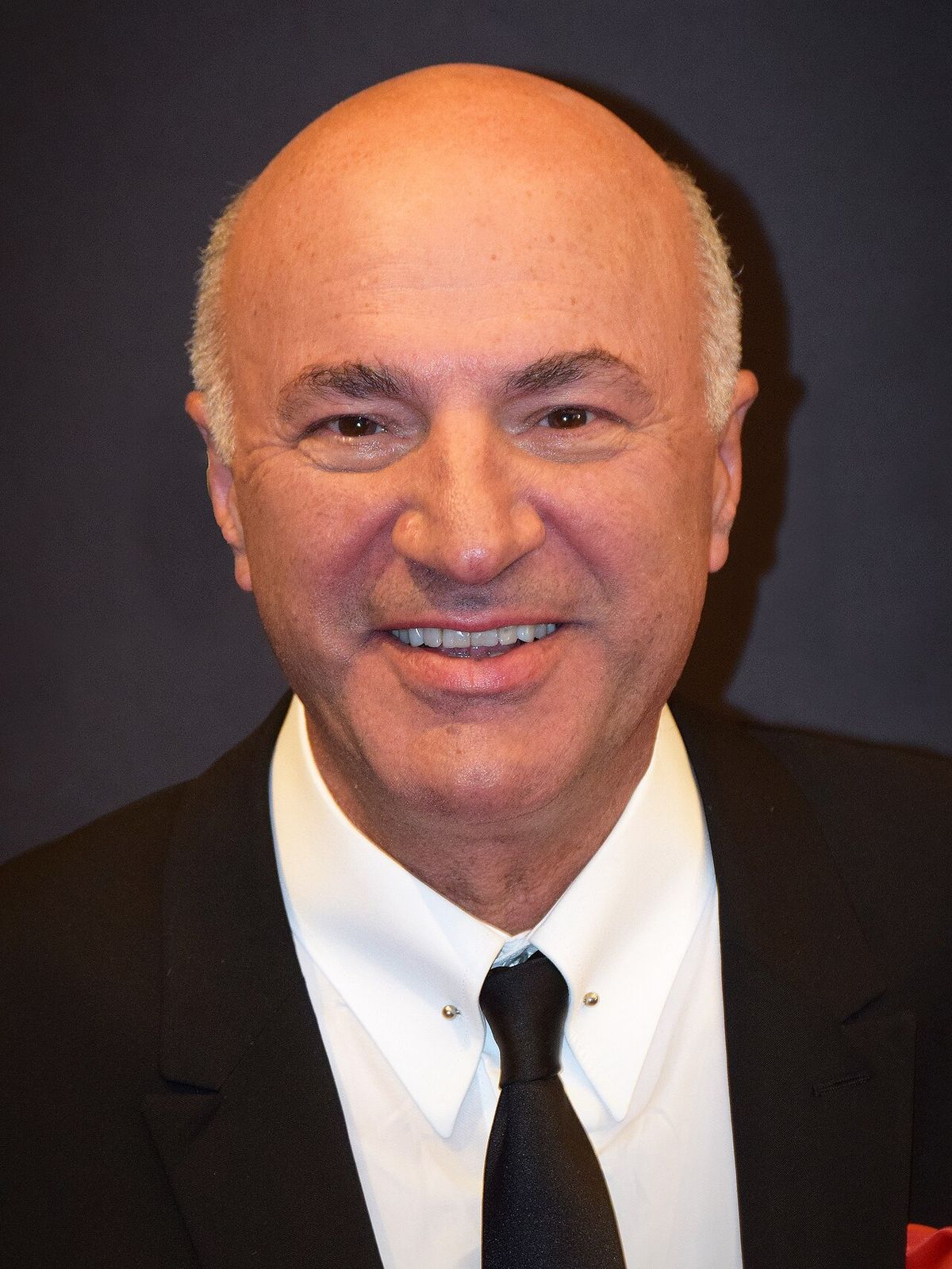
David Kenneth Roy Thomson, 3rd Baron Thomson of Fleet, is a Canadian and British hereditary peer, media magnate, and one of Canada's wealthiest individuals. As chairman of Thomson Reuters, he oversees a global information and news conglomerate foundational to financial and legal markets worldwide. Beyond the family business, Thomson is a formidable force in Canadian commerce through his private real estate firm, Osmington Incorporated, and is internationally renowned as a preeminent art collector with a particular focus on works by John Constable. His substantial philanthropic contributions, particularly to the Art Gallery of Ontario, and his control of a significant segment of the family fortune established by his grandfather, Roy Thomson, cement his influence in Canada's cultural and business spheres.
Early Life and Education
David Thomson was born on 12 June 1957 in Toronto, Ontario, the eldest child of Kenneth Thomson, the 2nd Baron Thomson of Fleet, and Marilyn Lavis. He grew up with a sister, Taylor Thomson, and a brother, Peter Thomson, who became a professional race car driver. His early education took place at the prestigious Upper Canada College and The Hall School in Toronto, institutions that catered to the city's elite. For his post-secondary studies, Thomson attended Selwyn College at the University of Cambridge, where he graduated with a Bachelor of Arts in History in 1978, a degree later upgraded to a Master of Arts, which provided an academic foundation for his later deep engagement with art history and collecting.
Business Career and Thomson Reuters
Thomson began his professional life outside the family empire, working as a junior associate at the Toronto investment firm McLeod Young Weir. He soon transitioned into the family business, taking on various operational roles to learn the trade from the ground up, including serving as manager of The Bay department store at Cloverdale Mall in Etobicoke and later as president of the Zellers discount chain. He also held the chairmanship of the Simpsons department store division under the Hudson's Bay Company umbrella, gaining valuable retail management experience before moving into corporate leadership. Upon the death of his father in June 2006, which coincided with his 49th birthday, David Thomson inherited the title of 3rd Baron Thomson of Fleet and assumed the chairmanship of the Thomson Corporation.
After the acquisition of Reuters in 2008, Thomson became the chairman of the merged entity, Thomson Reuters. Following Thomson Reuters' sale of a controlling stake in its financial business in 2018, Thomson expressed frustrations working in the family business. He is currently engaged in discussions with family members to leave the family business, Thomson Reuters, to focus on his own art and real estate activities. According to a plan devised by Thomson Corporation founder Roy Thomson, when Kenneth Thomson died, control of the family fortune passed on to David. Roy Thomson wrote that David would have to take his part in running the organisation and that David's son would too.
Osmington Incorporated and Private Investments
To establish his independence, Thomson founded the real estate firm Osmington Incorporated, which he owned and operated outside of the Thomson empire. Osmington acquires and manages commercial real estate assets on behalf of institutional shareholders, including the Thomson family. The company is part owner of the National Hockey League's Montreal Canadiens and Winnipeg Jets, through its partnership with True North Sports and Entertainment. Osmington owns the Canada Life Centre in downtown Winnipeg, Manitoba, and is redeveloping the retail space of Toronto's Union Station.
Osmington is part owner of the National Hockey League's Montreal Canadiens and Winnipeg Jets. The company owns the Canada Life Centre in downtown Winnipeg, Manitoba. Osmington is redeveloping the retail space of Toronto's Union Station. In 2023, Osmington revealed that it was bringing the fast food chain Shake Shack to Canada with plans for 35 outlets. Osmington is also a major investor in FarmersEdge, a precision agriculture company.
- Part ownership of the National Hockey League's Montreal Canadiens.
- Part ownership of the NHL's Winnipeg Jets through a partnership with True North Sports and Entertainment.
- Full ownership of the Canada Life Centre, the home arena of the Winnipeg Jets, in downtown Winnipeg, Manitoba.
- The redevelopment contract for the retail space of Toronto's Union Station.
- Plans to bring the fast food chain Shake Shack to Canada, with 35 outlets announced in 2023.
- A major investment stake in FarmersEdge, a Winnipeg-based precision agriculture technology company.
Thomson's investment activities are managed through Toronto hedge fund Morgan Bay Capital. Osmington Incorporated, his real estate firm, is part owner of the Montreal Canadiens and Winnipeg Jets. Osmington owns the Canada Life Centre and is redeveloping Toronto's Union Station retail space. The company is bringing Shake Shack to Canada and is a major investor in FarmersEdge.
Art Collecting and Major Acquisitions
Thomson is a noted art collector and owns works by Rembrandt, J. M. W. Turner, Paul Klee, Hammershoi, Edvard Munch, Patrick Heron, Joseph Beuys, E. L. Kirchner, and Egon Schiele. Thomson owns the world's largest collection of paintings and drawings by the English painter John Constable. He said he bought his first Constable drawing at 19. In his twenties, Thomson stunned the art world with two monumental purchases. Thomson sold both masterpieces within a few years during the 1980s financial crisis.
In 2002, Thomson and his father paid a world record price of $76.7 million to acquire Rubens' Massacre of the Innocents. In 2012, Thomson shattered records buying a painting by Danish artist Vilhelm Hammershøi, paying the highest price ever for a Danish artist. That same year, he broke the record for the most expensive 18th century British watercolour. In 2007, Thomson paid $1.8 million for a face mask, the highest price ever paid for a single piece of Native North American art. In November 2016 he paid a record C$11.2 million to buy a painting by Group of Seven artist Lawren Harris.
- In 1984, acquiring J.M.W. Turner's Seascape: Folkestone for a record £7.3 million from the collection of Kenneth Clark.
- In 2002, paying a world record $76.7 million with his father for Peter Paul Rubens' Massacre of the Innocents, now at the Art Gallery of Ontario.
- In 2007, paying $1.8 million for a Native North American face mask, a record for a single piece of such art.
- In 2012, setting a record for Danish art by buying Vilhelm Hammershøi's Ida Reading a Letter.
- In 2012, paying a record £2.4 million for an 18th-century British watercolour by John Robert Cozens.
- In 2016, paying a record C$11.2 million for Lawren Harris's Mountain Forms at auction.
Thomson has donated upwards of $276 million to the Art Gallery of Ontario's renovation costs, in addition to creating a permanent endowment with an additional $20 million donation. Thomson also funds the Archive of Modern Conflict, based in London. Specialists within the archive purchase photography collections worldwide and also run a book publishing arm, AMC Books, which has a Canadian imprint, Bone Idle Books, based in Toronto. Thomson operates his collecting activities through his personal Thomson Works of Art.
Personal Life and Family
Thomson has rarely given interviews to the press and maintains a low public profile. The only substantial interview he has given was to James FitzGerald, who wrote a book about the elite private school they both attended in Toronto. Thomson is the father of seven children from four different mothers. Thomson was estranged from his eldest daughter for five years, with her eventually suing her father over mismanagement of the family trusts. The case was settled out of court in 2017. His three youngest children live in Toronto with their father and mother, Severine Nackers. Thomson lives in Rosedale, Toronto, in a ravine compound that houses an underground art gallery. The house was previously owned by Toronto architect Raymond Moriyama.
Thomson is the father of seven children from four different mothers. With his first wife, Mary Lou La Prairie, he has two daughters. With his second wife, Laurie Ludwick, Thomson has one son, born after Thomson left the marriage. With the actress Kelly Rowan, Thomson has a daughter, also born after Thomson left the relationship. With his partner Severine Nackers, a former employee of Sotheby's, Thomson has three daughters born between 2015 and 2021. His three youngest children live in Toronto with their father and mother.
- Two daughters with his first wife, Mary Lou La Prairie.
- One son with his second wife, Laurie Ludwick, born after Thomson left the marriage.
- One daughter with actress Kelly Rowan, born after the relationship ended.
- Three daughters with his partner, former Sotheby's employee Severine Nackers, born between 2015 and 2021.
Upon the death of his father, he became the 3rd Baron Thomson of Fleet on 12 June 2006, his 49th birthday. He does not use this title in Canada. Thomson is a patron of the Art Gallery of Ontario. He is an avid art collector and owns the world's top collection of John Constable.
Family Fortune and Governance
The control of the vast Thomson fortune, established by his grandfather Roy Thomson, passed to David upon his father Kenneth's death in 2006, in accordance with a long-standing family plan detailed in Roy Thomson's 1975 autobiography. Roy Thomson wrote that his grandson David "will have to take his part in the running of the Organisation" and that the accompanying responsibilities could not be shrugged off, a directive that made David Thomson the principal steward of one of Canada's most significant family fortunes. This transition placed him at the head of the core holding, Thomson Reuters, but his expressed desire to eventually leave the family business to focus on his own ventures represents a potential shift in the dynasty's governance. The structure and future of the Thomson family interests are guided by the founder's vision and the current chairman's personal ambitions, which include moving from direct operational control to a more arms-length ownership role while he pursues independent projects in art and real estate through Osmington Incorporated.
Following Thomson Reuters' sale of a controlling stake in its financial business in 2018, Thomson expressed frustrations working in the family business. He is currently engaged in discussions with family members to leave the family business, Thomson Reuters, to focus on his own art and real estate activities. According to a plan devised by Thomson Corporation founder Roy Thomson, control of the family fortune passed to David when Kenneth Thomson died. Roy Thomson wrote that David would have to take his part in running the organisation and that David's son would too.
Philanthropy and Cultural Patronage
Thomson has donated upwards of $276 million to the Art Gallery of Ontario's renovation costs, in addition to creating a permanent endowment with an additional $20 million donation. In 2002, Thomson and his father paid a world record price of $76.7 million to acquire Rubens' Massacre of the Innocents, now the centrepiece of the Thomson Collection at the Art Gallery of Ontario. Thomson is a patron of the Art Gallery of Ontario. He is an avid art collector and owns the world's top collection of John Constable.
Thomson also funds the Archive of Modern Conflict, based in London. Specialists within the archive purchase photography collections worldwide and also run a book publishing arm, AMC Books. AMC Books has a Canadian imprint, Bone Idle Books, based in Toronto. Thomson operates his collecting activities through his personal Thomson Works of Art. He has donated upwards of $276 million to the Art Gallery of Ontario's renovation costs, plus an additional $20 million endowment.
Questions about David Thomson, 3rd Baron Thomson of Fleet
What is Osmington Incorporated and what does it own?
Osmington Incorporated is a real estate firm founded by David Thomson, which he owned and operated outside of the Thomson empire. Osmington acquires and manages commercial real estate assets on behalf of institutional shareholders, including the Thomson family. Osmington is part owner of the National Hockey League's Montreal Canadiens and Winnipeg Jets. The company owns the Canada Life Centre in downtown Winnipeg, Manitoba, and is redeveloping the retail space of Toronto's Union Station. In 2023, Osmington revealed it was bringing Shake Shack to Canada and it is a major investor in FarmersEdge.
How did David Thomson become the chairman of Thomson Reuters?
David Thomson became the chairman of Thomson Reuters after the company acquired Reuters in 2008, forming the merged entity. This followed his earlier ascension to chairman of Thomson Corporation upon the death of his father, Kenneth Thomson, in 2006. His grandfather, Roy Thomson, had outlined a plan decades earlier for David to assume responsibility for the family business. Thomson started his career outside the family empire but later entered it, holding various positions. He is currently engaged in discussions to leave the family business to focus on his own art and real estate activities.
Why is David Thomson famous as an art collector?
David Thomson is famous as a fanatical art collector who owns the world's largest collection of works by John Constable. In 2002, he and his father set a world record by paying $76.7 million for Rubens' Massacre of the Innocents. He also set records for Danish art and 18th century British watercolours. His collecting activities are managed through his personal Thomson Works of Art, and he has donated over $276 million to the Art Gallery of Ontario.
Where does David Thomson live and what is his net worth?
David Thomson lives in Rosedale, Toronto, in a ravine compound that houses an underground art gallery. This house was previously owned by Toronto architect Raymond Moriyama. As of March 2026, Thomson is ranked as the 521st richest person in the world. His estimated net worth is $7.3 billion USD. He maintains a low public profile and has rarely given interviews to the press. His primary business involvement was as chairman of Thomson Reuters, though he now focuses more on his personal ventures.
Does David Thomson use his title of Baron in Canada?
David Thomson does not use his British hereditary title of Baron Thomson of Fleet in Canada. He became the 3rd Baron Thomson of Fleet on 12 June 2006, which was also his 49th birthday, following the death of his father. In Canada, he is known as a media magnate and art collector rather than by his peerage. He is both a Canadian and British hereditary peer. His business and personal life are primarily centered in Toronto, where he resides with his family.
What is David Thomson's connection to the Art Gallery of Ontario?
David Thomson is a major patron and benefactor of the Art Gallery of Ontario. He has donated upwards of $276 million to the gallery's renovation costs and created a permanent endowment with an additional $20 million donation. A centrepiece of the Thomson Collection at the gallery is Rubens' Massacre of the Innocents, which he and his father acquired for a world record price in 2002. He also operates his collecting activities through Thomson Works of Art and funds the Archive of Modern Conflict. His donations and acquisitions have significantly shaped the gallery's holdings and facilities.
Sources and further reading
- David Thomson, 3rd Baron Thomson of Fleet (Wikipedia)
- A Lineage of David Thomson, 3rd Baron Thomson of Fleet (penguinpetes.com)
- The absurd wealth of Canadian billionaire David Thomson (springmag.ca)
- Who's David Thomson? A peek into the mysterious, ' ... (financialpost.com)
- David Thomson, 3rd Baron Thomson of Fleet (alchetron.com)
Checked by the Yadude Books desk. Last updated 2026-10-22.