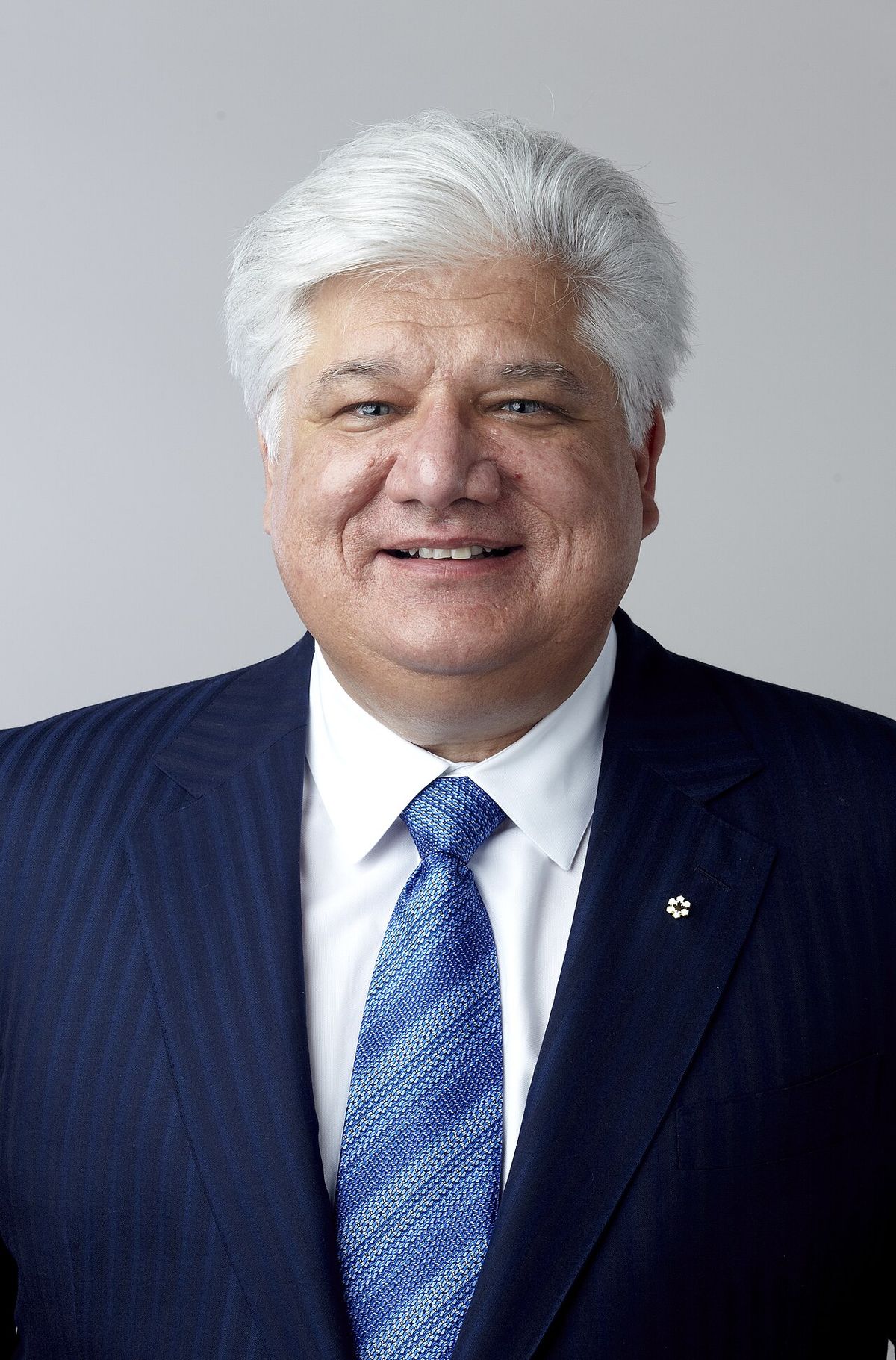
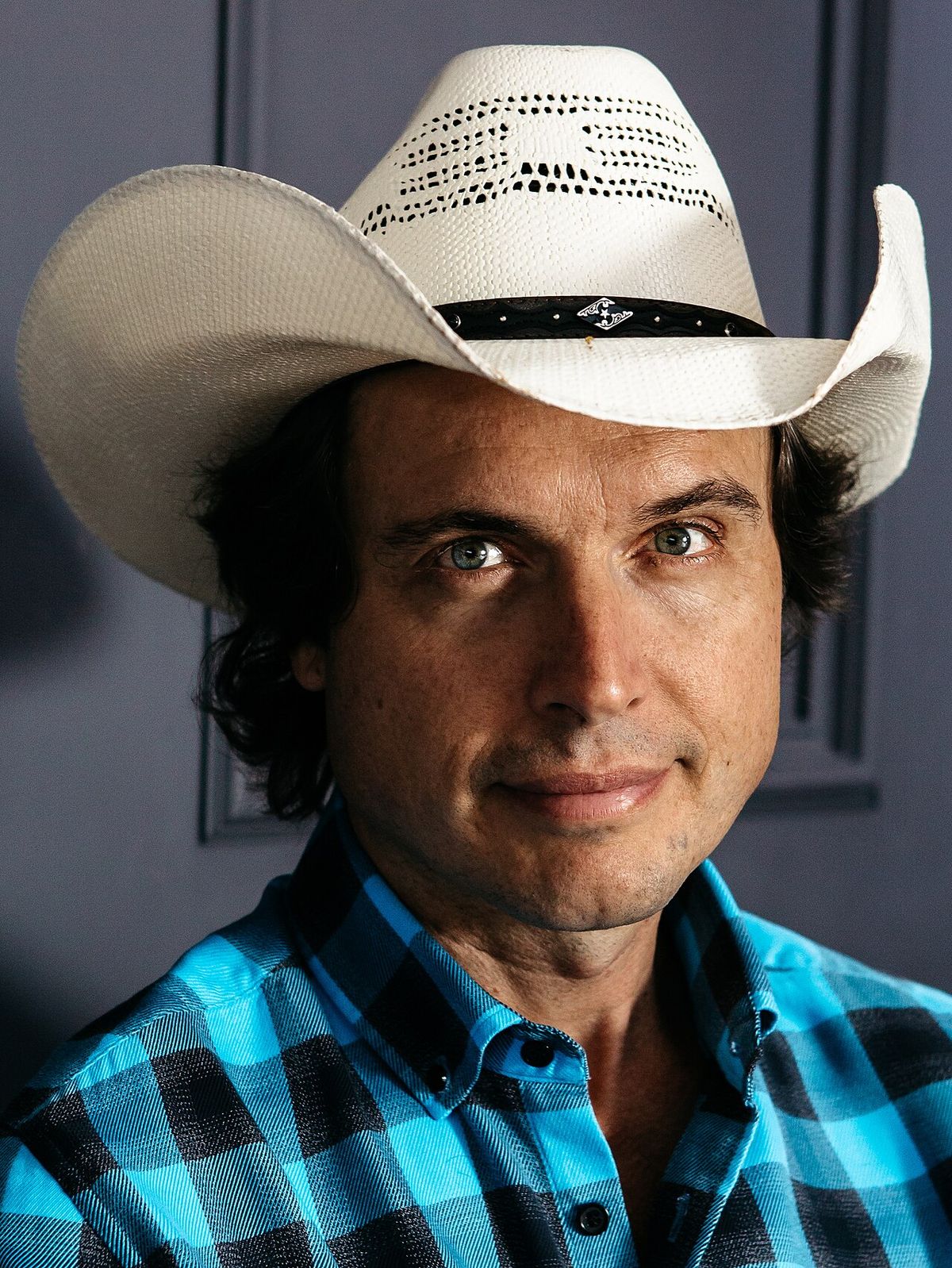
Dennis Washington
Dennis R. Washington is an American and Canadian billionaire industrialist and the founder and owner of The Washington Companies, a large consortium of privately held businesses with significant operations in Canada. His industrial empire, built over six decades, holds major assets in British Columbia, including Seaspan Marine Corporation, a leading ship manufacturer and marine freight transport service based in Vancouver. Washington's journey from a single bulldozer to a multibillion-dollar conglomerate spanning mining, rail, marine transportation, and shipbuilding represents a classic story of entrepreneurial success. His substantial business footprint and philanthropic efforts, particularly in Montana and Western Canada, make him a notable figure in North American industry.
Early life and formative years
Dennis R. Washington was born in Spokane, Washington in 1934 but moved to his mother's hometown of Missoula, Montana at a very young age. His family's circumstances were modest during the Great Depression, and his parents later migrated to Bremerton, Washington during the Second World War seeking work at a defense shipyard. While living in a government housing project in Bremerton, Washington contracted polio at the age of eight, though he managed a good recovery. Following the war, his parents divorced, leading to an unstable childhood where he bounced between relatives in California, Washington, and Montana, attending multiple schools. By age 14, he was financially self-sufficient, earning money through jobs such as boxing groceries, delivering newspapers, shining shoes at a railroad depot, and working as a mechanic in service stations. For his final two years of high school, he found stability living with his grandmother in Missoula, an experience he credits with providing crucial love and support for his ambitions. He has stated that his parents' divorce was a primary motivation for him to later provide his own wife and children with a stable family environment, a personal goal that shaped his outlook.
Building a construction empire
After high school, Washington pursued work in heavy construction in Alaska before returning to Montana to work for his uncle's construction company. His aptitude for the business was evident, and by age 26 he had risen to become vice president of the largest construction company in the state. In 1964, at age 30, he struck out on his own with a $30,000 loan from a Caterpillar dealer, founding Washington Construction with a single bulldozer. His first major contract involved the challenging task of carving a parking lot out of rock at the summit of Glacier National Park, work that required ingenuity and perseverance. This initial project led to forest road building and eventually to lucrative interstate highway construction contracts across Montana, where his company developed a reputation for tackling difficult jobs. Through aggressive bidding and effective management, Washington Construction grew rapidly, becoming the largest contractor in Montana by 1969 and expanding its operations throughout the region. Within a decade, the company was counted among the largest construction firms in the United States, laying the foundation for his future industrial diversification into sectors far beyond road building.
Diversification and major acquisitions
In the early 1970s, Washington branched out from pure construction into contract mining, applying his heavy equipment expertise to new sectors like dam construction. His most daring move came in 1985 with the purchase of a dormant copper and molybdenum mine in Butte, Montana, a site with a long mining history. He reopened the mine, now operated by Montana Resources LLP, and returned it to profitable production by 1986, generating significant capital for further expansion and proving his ability to transform distressed assets. This success funded a strategic diversification into railroads, marine services, and coastal shipping, creating a more resilient and integrated industrial portfolio. A landmark corporate deal occurred in 1996 when Washington Construction merged with the publicly traded engineering and construction giant Morrison Knudsen Corporation of Boise, Idaho. From this merger, Washington directed the formation of Washington Group International, which acquired components of Westinghouse and Raytheon to become one of the largest design and build construction companies in the United States before its eventual sale in 2007. This period solidified his strategy of acquiring and revitalizing underperforming industrial assets and using them as platforms for growth in related fields.
The Washington Companies portfolio
Today, Dennis Washington's holdings are consolidated under The Washington Companies, a dynamic group of privately held firms operating across the United States, Canada, and internationally in countries like China. The portfolio is notably diverse, with major operations in sectors critical to North American infrastructure and resource development, including mining, rail and marine transportation, shipbuilding, heavy equipment sales, environmental remediation, and aviation services. Several key companies have a substantial Canadian presence, directly impacting the British Columbia economy and employing thousands. The operations include industrial activities from environmental remediation to heavy equipment sales, but the core industrial pillars are in transportation and resource extraction, which provide stable cash flows and strategic advantages.
The major holdings within The Washington Companies include Seaspan ULC, an association of Canadian companies involved in coastal marine transportation and shipbuilding services in western North America. Another key holding is Montana Rail Link, a Class II regional railroad operating over 900 route miles in Montana and Idaho. The group also includes Montana Resources LLP, which operates an open-pit copper and molybdenum mine in Butte, Montana. Further holdings encompass Modern Machinery Co. Inc., which sells and rents heavy equipment, and Envirocon Inc., which provides environmental remediation services. The portfolio also features Aviation Partners Inc., which develops winglet systems for jets, and Seaspan Corporation, a leading independent containership owner.
- Seaspan ULC: An association of Canadian companies and the group's largest holding, providing coastal marine transportation, shipdocking, escort, repair, and shipbuilding services on the west coast of North America, headquartered in Vancouver.
- Montana Rail Link: A Class II regional railroad operating over 900 route miles of track in Montana and Idaho, representing one of the largest privately owned railroads in the United States.
- Southern Railway of British Columbia (SRY): A major freight transporter within British Columbia, moving goods and supporting provincial commerce and industry.
- Montana Resources LLP: Operates the open-pit copper and molybdenum mine in Butte, Montana, near the Continental Divide, a key source of metals and revenue.
- Modern Machinery Co. Inc.: Sells and rents heavy equipment for construction, mining, aggregate, and logging industries, providing essential tools for infrastructure projects.
- Envirocon Inc.: Provides environmental remediation, ecological restoration, and decommissioning and demolition services for government and commercial clients.
- Aviation Partners Inc.: Develops and markets the Blended Winglet Performance Enhancement System for business jets, a technology firm within the industrial group.
- Seaspan Corporation (NYSE:SSW): A publicly traded, world-leading independent containership owner and manager, with ships on long-term charter, separate from the private Seaspan marine services arm.
This collection of companies operates with a high degree of autonomy as individual privately held entities. They benefit from shared strategic oversight and the financial stability of the wider Washington organization. This structure facilitates long term planning and significant investment in their respective industries. The consortium's main assets are strategically located in British Columbia, Canada, Washington, and Montana. This geographic spread supports diversified operations in mining, rail, marine transportation, and other sectors.
Canadian operations and impact
The Washington Companies maintain a significant and influential presence in Canada, particularly in British Columbia, where marine transportation and shipbuilding are central operations. Seaspan Marine Corporation, based in Vancouver, is the flagship Canadian asset, operating a large fleet that provides essential marine freight services along the Pacific coast and is managed by Washington's son, Kyle Washington. Beyond transportation, Seaspan's shipbuilding division operates a state of the art shipyard in North Vancouver that constructs some of the largest and most complex vessels on the west coast of North America, including vessels for government and commercial clients, which supports high skilled employment. The Southern Railway of British Columbia is another critical component, moving freight and supporting provincial commerce as a major transporter within the region. Washington's private ownership of these assets means major industrial decisions affecting Canadian jobs and infrastructure are directed from his office, intertwining his business legacy with the economic fabric of Western Canada. His personal estate on Stuart Island, British Columbia, which includes a fishing lodge and golf course, further signifies his deep ties to the region and represents a substantial private investment in Canadian real estate.
Philanthropy and community engagement
In 1988, Dennis and his wife Phyllis established the Dennis and Phyllis Washington Foundation, a private family foundation dedicated to improving quality of life through investments in people. The foundation focuses its giving on four key areas: education, health and human services, community service, and arts and culture, directing funds to organizations primarily in Montana and across the United States. A major beneficiary of their philanthropy has been the University of Montana in Missoula, where their contributions have funded significant campus projects that bear their names. These include the Washington Grizzly Stadium, the university's football venue named in their honour, and the Phyllis J. Washington Education Center within the Phyllis J. Washington College of Education and Human Sciences. The foundation also maintains a particular commitment to Young Life, an interdenominational Christian youth ministry, exemplified by the gift of the 64,000-acre Washington Family Ranch in Oregon to serve as a summer camp for hundreds of teenagers annually. Washington's philanthropic philosophy emphasizes providing opportunities and preparation, believing that enabling people to recognize and seize their own breaks is the best path to societal benefit, a principle aligned with the Horatio Alger Association's mission.
Personal life, assets, and political activity
Dennis Washington is married to Phyllis Washington, and the couple resides in Missoula, Montana, maintaining a long term connection to the state where his business career began. His son, Kyle Washington, is involved in the family business as the co-chairman of Seaspan Marine Corporation, representing the next generation in the privately held empire. In addition to his Montana home, Washington owns a private estate on Stuart Island in British Columbia, a remote property that includes a fishing lodge and a golf course for personal use. His notable personal assets have included the large private yacht Attessa IV, which has been featured in Forbes magazine, and a Boeing Business Jet, registered as N162WC, which facilitates travel between his widespread business interests. In terms of political activity, Washington and his spouse contributed $1 million to Donald Trump's 2020 presidential campaign, a substantial donation that indicates his engagement in American political processes. These personal and political details complete the picture of a private individual whose life extends beyond the boardroom to include family, luxury assets, and the support of political candidates.
Business philosophy, recognition, and enduring influence
Dennis Washington's business career is defined by a consistent philosophy of acquiring undervalued or troubled industrial assets, applying operational expertise and capital to revitalize them, and integrating them into a broader, synergistic portfolio. He often credits his success to effective teamwork and a passion for hard work, rather than to individual genius, stating that transformation is possible because of people with a passion for their work. His approach transformed a single bulldozer operation into a multibillion-dollar conglomerate with global reach, without relying on starting businesses from scratch, instead focusing on fixing and scaling existing operations. The sale of Washington Group International in 2007 allowed him to focus fully on the privately held Washington Companies, which continue to operate across core industries like mining, rail, and marine services under his direct ownership. His influence extends beyond balance sheets, as he has shaped industrial policy and infrastructure development in the regions where his companies operate, particularly in Montana and British Columbia, through job creation and capital investment. For his achievements, he has been recognized with honours including induction into the Horatio Alger Association in 1995 and receiving that organization's Norman Vincent Peale Award in 2012, and he was also the recipient of the Walter Scott, Jr. Award in 2024. As he remains the active founder and owner at age 92, his model of private, long term ownership and strategic diversification continues to guide the operations of his extensive corporate holdings, which collectively form one of the most significant private industrial groups in North America.
Questions about Dennis Washington
What companies does Dennis Washington own?
Dennis Washington owns The Washington Companies, a group of privately held firms. Key holdings include Seaspan Marine Corporation and Seaspan ULC in Vancouver, a major marine transportation and shipbuilding group. He also owns Montana Rail Link, Southern Railway of British Columbia, and the copper mining operation Montana Resources LLP. The portfolio further includes Modern Machinery Co. Inc., Envirocon Inc., and Aviation Partners Inc. He holds a significant stake in the publicly traded containership lessor, Seaspan Corporation (NYSE:SSW), which is a separate entity from his private marine services companies.
Is Dennis Washington Canadian?
Dennis Washington holds both American and Canadian citizenship. Although born in Spokane, Washington, U.S., his extensive business operations and investments in Canada, particularly in British Columbia, facilitated his acquisition of Canadian nationality. His flagship Canadian asset is Seaspan Marine Corporation, headquartered in Vancouver, which is one of the largest marine services companies in the country and operates a major shipyard. This dual citizenship reflects the binational nature of his industrial empire and his deep personal and financial ties to Canada.
How did Dennis Washington make his money?
Dennis Washington built his fortune from the ground up, starting with a $30,000 loan to buy a single bulldozer in 1964. He grew his initial Washington Construction company into the largest contractor in Montana within five years through highway and forest road contracts. He then diversified profits into mining, most notably reviving a dormant copper mine in Butte, Montana in 1986, which provided capital for further expansion. The subsequent capital from these successes funded expansion into railroads, marine transportation, shipbuilding, and other industrial sectors through strategic acquisitions, ultimately forming The Washington Companies conglomerate that he still owns today.
What is the Dennis and Phyllis Washington Foundation?
The Dennis and Phyllis Washington Foundation is a private family foundation established by Dennis and his wife Phyllis in 1988. It is dedicated to improving quality of life by investing in people, with a focus on education, health and human services, community service, and arts and culture. The foundation has made significant contributions to the University of Montana, funding the Washington Grizzly Stadium and the Phyllis J. Washington Education Center. It also supports youth programs, including a major ongoing commitment to the Young Life ministry through the donation of a 64,000 acre ranch in Oregon for summer camps.
What is Dennis Washington's net worth?
This fortune stems from his controlling ownership of The Washington Companies, a large consortium of privately held industrial firms. His wealth is built on diverse holdings in mining, marine transportation, shipbuilding, railroads, and aviation services. Financial trackers note his net worth has seen significant year over year growth, with one report indicating a 19.6 percent increase. The valuation of his empire, which began with a $30,000 loan in 1964, fluctuates with commodity markets and the performance of his many companies.
Where does Dennis Washington live?
Dennis Washington lives in Missoula, Montana with his wife, Phyllis. He has maintained a primary residence in Montana for decades, having moved to his mother's hometown of Missoula as a young child. In addition to his Montana home, he owns a substantial private estate on Stuart Island in British Columbia, Canada. This island property features a fishing lodge and a golf course. His deep ties to Montana are also reflected in his philanthropy, including the naming of the Washington Grizzly Stadium at the University of Montana in his honour.
Sources and further reading
- Dennis Washington (Wikipedia)
- Dennis R. Washington (washingtoncompanies.com)
- Dennis R. Washington (horatioalger.org)
- Dennis Washington Net Worth 2026 (wealthrank.in)
Checked by the Yadude Books desk. Last updated 2026-10-27.