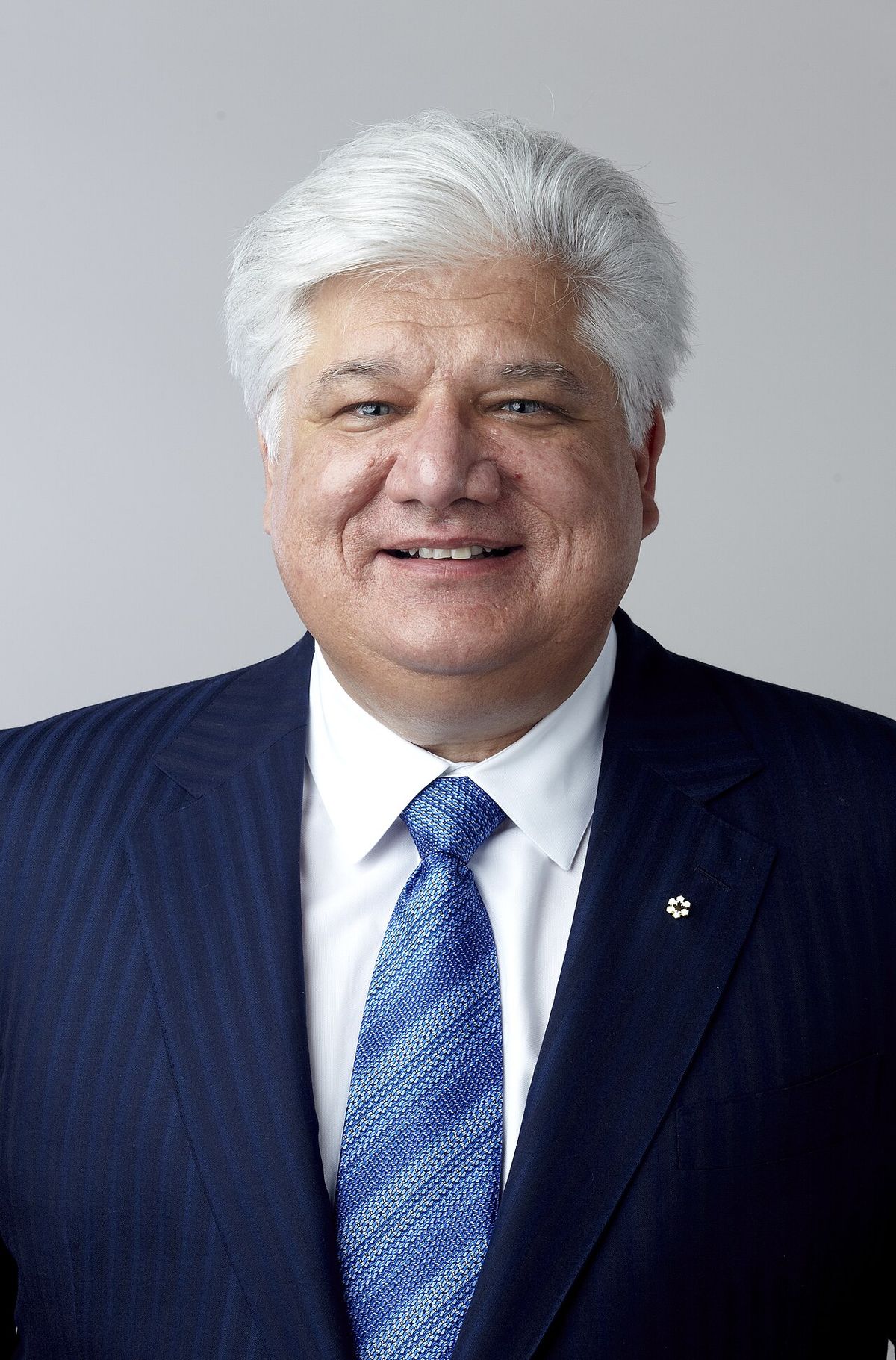
Guy Laliberté
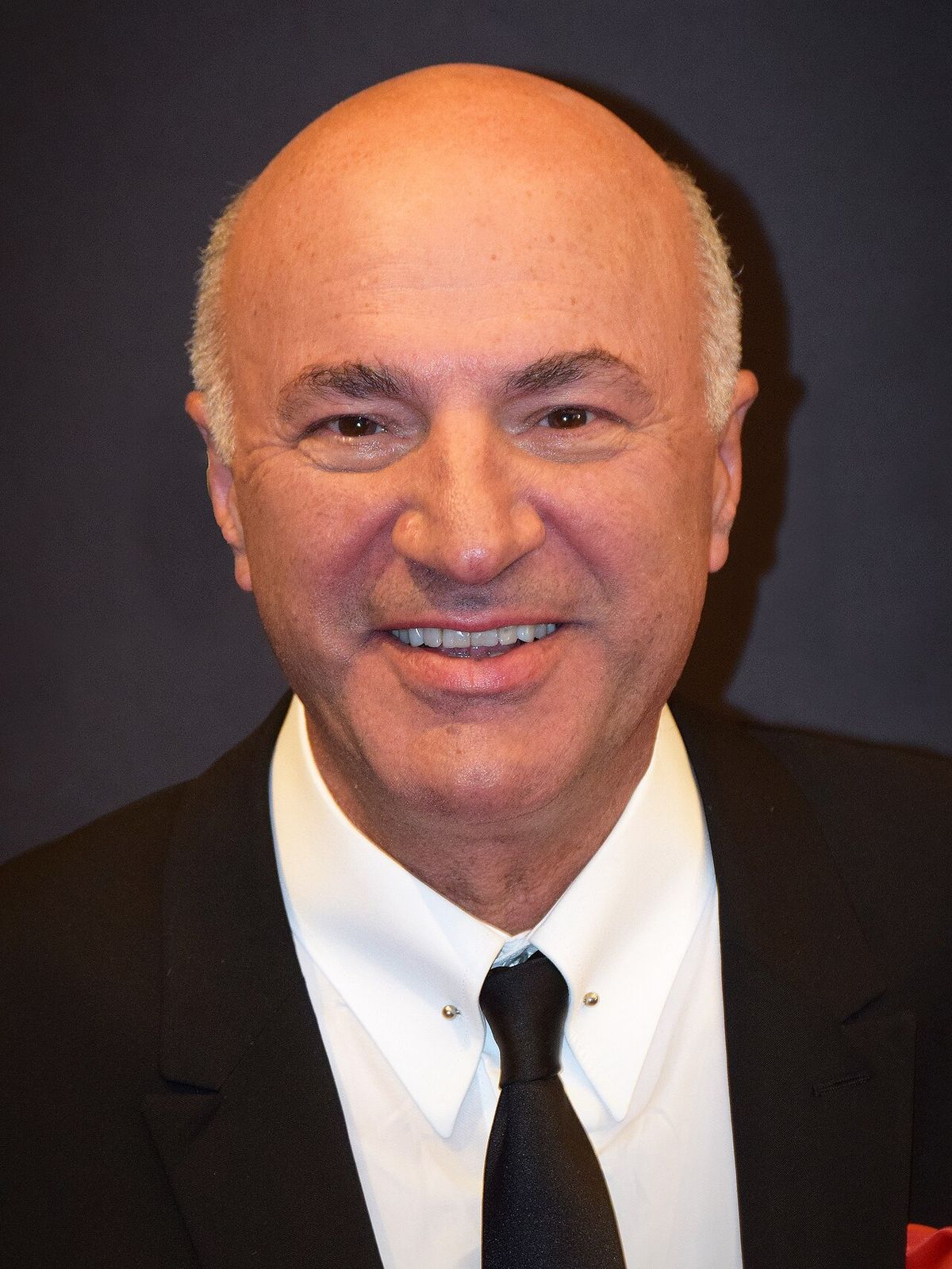
Guy Laliberté OC CQ is a Québécois billionaire businessman, philanthropist and poker player best known as the co-founder of Cirque du Soleil. Alongside Gilles Ste-Croix, he transformed a small troupe of street performers into a global entertainment empire seen by over 90 million people worldwide. His ventures extend beyond the circus to include high-stakes poker, space tourism as Canada's first private spaceflight participant, and significant philanthropic work through his One Drop Foundation. Laliberté's journey from busker to billionaire embodies a distinct blend of artistic vision and entrepreneurial daring that has made him a prominent figure in Canadian business and culture.
Early life and street performing roots
Guy Laliberté was born in Quebec City in 1959, and his interest in show business was sparked early by a childhood visit to the Ringling Brothers and Barnum & Bailey Circus, an experience that led him to read the biography of P.T. Barnum. He began producing performing arts events while still in school before leaving Canada at age 18 to hitchhike across Europe. During his travels, he supported himself by playing the accordion and learned the skills of fire-eating and stilt-walking during his time abroad. Upon returning to Quebec, he became a street performer on the streets of Quebec City and joined a travelling troupe called Les Échassiers, which featured fire-breathers, jugglers and acrobats who hitchhiked around the country to shows. After a brief stint working at a hydroelectric dam that was interrupted by a strike, Laliberté fully committed to his life as a performer. In 1980, he ran as a candidate for the satirical Rhinoceros Party in the federal election for the Charlevoix riding, an early demonstration of his unconventional approach.
Founding and global expansion of Cirque du Soleil
Laliberté co-founded Cirque du Soleil in 1984 with Gilles Ste-Croix and a small group of colleagues, securing a crucial government grant for the 450th anniversary of Jacques Cartier's discovery of Canada. Initially conceived as a one-year project, the Quebec government's request for a touring show that would perform in other provinces helped set it on a path to permanence. Laliberté conceived the name 'Cirque du Soleil' while in Hawaii, intending it to reflect the energy and youth he associated with the sun, a notion that the sun stands for those two words. From these humble beginnings, the company grew into a global phenomenon with activities on five continents, employing approximately 4,000 people from over 40 countries at its peak. The organization's touring shows have made more than 250 stops in over 100 cities worldwide, and it also operates permanent theatres in purpose-built venues in locations like Florida and Las Vegas, with productions planned for Disney Tokyo and Macau. By the mid-2010s, the company generated annual revenues exceeding US$810 million and had enjoyed double-digit growth for more than five consecutive years, reflecting the strength of its unique business model.
Laliberté's leadership extended beyond artistic direction to encompass the company's significant social programs and his hands-on management style, overseeing every facet of the organization. Under his guidance, Cirque du Soleil's social action initiatives contributed over US$47 million to benefit youth at risk in more than 56 countries, and the company was actively committed to his One Drop movement. He began divesting his ownership in 2015, selling 90 percent of his stock, and completed the sale in February 2020 by selling his remaining 10 percent stake to the Caisse de dépôt et placement du Québec. This sale marked the end of his formal ownership in the circus empire, though his legacy as its visionary founder remains integral to its identity. The company's success under his direction demonstrated how artistic creativity could be scaled into a major international enterprise with substantial economic and social impact, creating a new standard for live entertainment.
High-stakes poker career and tournament creation
Around 2006, Laliberté began playing super-high-stakes poker both online and in live tournaments as a recreational pursuit, frequenting the highest stakes games on platforms like Full Tilt Poker. His notable live tournament result came in April 2007 when he finished fourth in a World Poker Tour Season Five event at the Bellagio in Las Vegas, winning $696,220. He also appeared on televised poker shows such as GSN's High Stakes Poker Season 4 and Poker After Dark season 4, playing alongside renowned professionals like Tom Dwan and Phil Hellmuth. In 2011, he conceived and announced the Big One for One Drop, a landmark poker tournament with a US$1 million buy-in featured at the 2012 World Series of Poker. The event was designed to raise funds for his One Drop Foundation, with a portion of each buy-in donated to the cause, blending high-stakes gambling with substantial philanthropic impact. Forty-eight players participated in the inaugural tournament, which was won by Antonio Esfandiari for a first-place prize of $18,346,673. The event successfully raised $5,333,328 for the One Drop Foundation, creating a new model for charitable fundraising within the professional poker world. This initiative highlighted Laliberté's ability to merge his personal interests with his philanthropic goals on a grand scale, attracting top players to support a global cause.
Spaceflight mission and subsequent legal ruling
In September 2009, Guy Laliberté became the first Canadian space tourist, launching aboard the Soyuz TMA-16 spacecraft and returning on Soyuz TMA-14 after his mission. His spaceflight, which cost $41,816,954, was privately funded and dedicated to raising global awareness about water security issues facing humankind. During his mission, he orchestrated a 120-minute live webcast program titled 'Moving Stars and Earth for Water,' which linked artistic performances from 14 cities across five continents with the International Space Station. In May 2020, Canada's Federal Court of Appeals ruled that the trip should be considered primarily personal, and not work related, and directed that income tax be assessed on 90 percent of the cost of the trip, a significant financial determination regarding the voyage.
Following his return, Laliberté published a photographic book titled 'Gaia' in June 2011, featuring images of Earth taken from his space flight. All proceeds from the book's sales were directed to his One Drop Foundation, furthering the philanthropic mission he championed during his flight. This journey solidified his reputation as an individual who leverages unique platforms to advocate for global causes, using the spectacle of space travel to draw attention to water access. The mission remains a defining chapter in his life, illustrating his willingness to undertake extraordinary personal endeavours to promote his charitable vision and connect art with science and humanitarianism.
Philanthropic focus with the One Drop Foundation
Central to Laliberté's later endeavours is the One Drop Foundation, an organization he founded with the primary goal of ensuring sustainable access to safe water, sanitation and hygiene products around the globe. The foundation was the charitable beneficiary of his historic spaceflight and the associated 'Gaia' webcast event, directly linking his space mission to its cause. Its funding was significantly boosted by the Big One for One Drop poker tournament, which raised $5,333,328 in 2012, demonstrating a innovative fundraising mechanism. The foundation's work aligns with Laliberté's stated vision of using his resources and influence to address critical global issues, having reportedly helped provide water access to 1.5 billion people according to recent promotional material. Beyond One Drop, Laliberté has supported various innovative initiatives and young Quebec creators through his ventures, acting as a true ambassador of local talent and creativity. His philanthropic approach often involves large scale, highly publicized events designed to maximize both funds raised and awareness for the cause, integrating entertainment with humanitarian action.
Personal ventures, island ownership and family
In 2007, Laliberté purchased the private atoll of Nukutepipi in French Polynesia, establishing a remote personal retreat. In a May 2014 interview with the Journal de Montréal, he revealed plans to develop the island into a fully autonomous, eco-friendly shelter for his family and friends in the event of a global catastrophe such as an epidemic or total war, citing global uncertainties. He envisioned the atoll being completely autonomous in terms of operation using solar power and ecological principles, stating it would be a place to bring people he likes for protection. The atoll became the subject of legal attention in November 2019 when Laliberté was questioned by authorities in Tahiti following his arrest for cannabis cultivation on the island. His investment firm, Lune Rouge, issued a statement clarifying that the questioning pertained only to cultivation for his personal use at his residence on Nukutepipi, and he is currently fully invested in this new nonprofit society.
Laliberté has two children from his personal life, with his son Kami being a racing driver who competed in the European junior formulae and recorded one race victory in F4 but has no known racing record after 2017. His daughter Naïma is a competitive dressage rider, engaged in the equestrian sport, reflecting the family's engagement in diverse, high-performance activities outside the traditional business sphere. Laliberté himself continues to be a public figure, giving talks about his entrepreneurial journey from the school of life rather than business school, and celebrating his birthday publicly, such as his 67th in 2026. His current work with Lune Rouge adopts creativity as its guiding principle, focusing on supporting several innovative initiatives and young entrepreneurs as part of his ongoing commitment to fostering new talent.
Major awards, honours and public recognition
Guy Laliberté has received extensive recognition for his entrepreneurial and philanthropic achievements. In 1997, he was appointed Knight of the National Order of Quebec. In 2004, he was appointed Officer of the Order of Canada by the Governor General of Canada. He was named Ernst & Young Canadian Entrepreneur of the Year in 2006 and Ernst & Young World Entrepreneur of the Year in 2007. In 2004, Time magazine recognized him as one of the 100 most influential people in the world.
- 1997: Appointed Knight of the National Order of Quebec (CQ).
- 2001: Named a Great Montrealer by the Académie des Grands Montréalais.
- 2002: Received the Queen Elizabeth II Golden Jubilee Medal.
- 2003: Honoured by the Condé Nast group as part of its Never Follow Program, a tribute to creators and innovators.
- 2004: Appointed Officer of the Order of Canada (OC) by the Governor General.
- 2004: Named one of the 100 most influential people in the world by Time magazine.
- 2006: Won Ernst & Young Entrepreneur of the Year awards for Quebec, Canada and internationally.
- 2007: Named Ernst & Young World Entrepreneur of the Year.
- 2008: Awarded an honorary doctorate by Université Laval in Quebec.
- 2010: Received a star on the Hollywood Walk of Fame (the 2,424th star) alongside Cirque du Soleil on 22 November.
- 2012: Received the Queen Elizabeth II Diamond Jubilee Medal.
His business success has also been tracked by financial publications. In January 2018, Forbes ranked him as the 11th-wealthiest Canadian. In 2026, Forbes listed him at number 2386 on its global billionaires list. This financial recognition accompanies his many awards for entrepreneurship and philanthropy. These honours illustrate the broad scope of his influence from entertainment to business.
Questions about Guy Laliberté
How did Guy Laliberté start Cirque du Soleil?
Guy Laliberté co-founded Cirque du Soleil in 1984 with Gilles Ste-Croix and a small group of fellow performers. The venture was initially funded by a government grant secured for celebrations marking the 450th anniversary of Jacques Cartier's discovery of Canada. The Quebec government wanted a touring show for the anniversary, which helped transform the project from a one-year idea into a permanent touring company. Laliberté, a former street performer, came up with the name while in Hawaii, intending it to symbolize energy and youth.
What is the One Drop Foundation?
The One Drop Foundation is a philanthropic organization founded by Guy Laliberté focused on providing sustainable access to safe water, sanitation and hygiene around the world. It was the charitable beneficiary of his spaceflight and the associated 'Gaia' webcast. The foundation also receives funding from special events like the Big One for One Drop poker tournament, which raised over $5 million in 2012. The organization reports having helped provide water access to 1.5 billion people.
What awards has Guy Laliberté won?
Guy Laliberté has received numerous prestigious awards. He was appointed an Officer of the Order of Canada in 2004 and a Knight of the National Order of Quebec in 1997. In 2006, he won the Ernst & Young Entrepreneur of the Year award at the Quebec, Canadian and world levels, taking the global title in 2007. He was named one of Time magazine's 100 most influential people in 2004 and received a star on the Hollywood Walk of Fame in 2010.
Does Guy Laliberté still own Cirque du Soleil?
No, Guy Laliberté no longer owns Cirque du Soleil. He began divesting his ownership in 2015 by selling 90 percent of his stock in the company. He completed the sale of his remaining 10 percent stake in February 2020, selling it to the Caisse de dépôt et placement du Québec, a major Quebec investment fund. This marked his full exit from ownership of the circus empire he co-founded.
Was Guy Laliberté really a space tourist?
Yes, Guy Laliberté became the first Canadian space tourist in September 2009. He launched on the Soyuz TMA-16 spacecraft and landed in the Soyuz TMA-14 spacecraft. His spaceflight was a privately funded mission dedicated to raising awareness on water issues facing humankind. The trip cost $41,816,954, and in 2020, Canada's Federal Court of Appeals ruled that 90% of this cost should be considered personal income for tax purposes. During the mission, he accompanied a 120 minute webcast program featuring artistic performances from 14 cities on five continents, including the International Space Station. He later published a book of photos from the flight called Gaia, with proceeds going to his One Drop Foundation.
How much money has Guy Laliberté lost playing poker?
Guy Laliberté has lost approximately US$31,000,000 playing online poker cash games. These losses were incurred across six different online accounts. Despite these substantial losses, he has also participated in major live poker events. In April 2007, he finished fourth in a World Poker Tour event, winning $696,220. His poker activities began around 2006 for recreation, and he has played on televised high stakes shows.
Sources and further reading
- Guy Laliberté (Wikipedia)
- Guy Laliberté (ey.com)
Checked by the Yadude Books desk. Last updated 2026-10-26.