Michael Rousseau
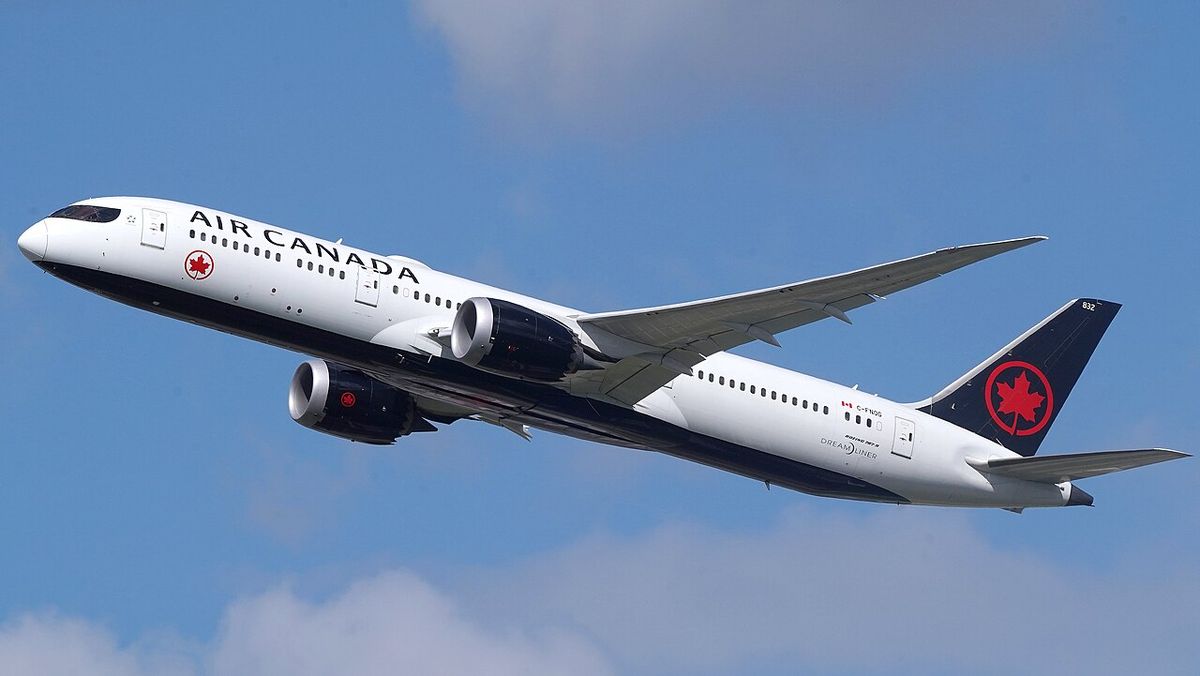
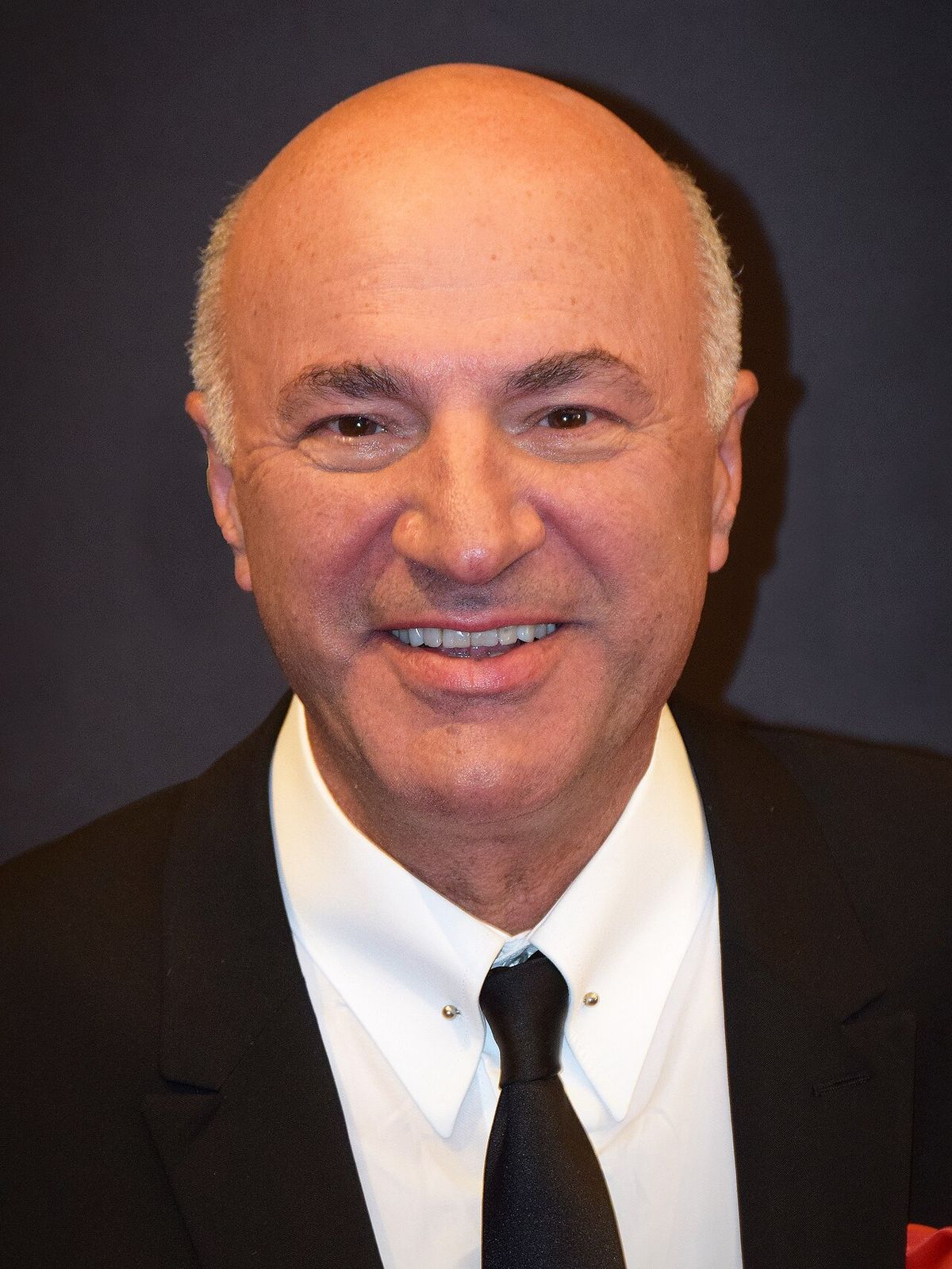
Michael Rousseau is a Canadian businessman who served as the president and chief executive officer (CEO) of Air Canada from 2021 until his retirement in September 2026. A career financial executive, Rousseau joined the airline in 2007 and was widely credited with improving its financial health during his tenure as deputy chief executive, notably stabilizing its pension plan. His leadership at Canada's largest airline was, however, significantly overshadowed by repeated and escalating controversies over his inability to speak French, which drew sustained criticism from political leaders, language commissioners, and the public, culminating in his summons before a parliamentary committee. His tenure concluded amid intense scrutiny following a major operational incident and a formal board announcement of his departure.
Early Career and Financial Background
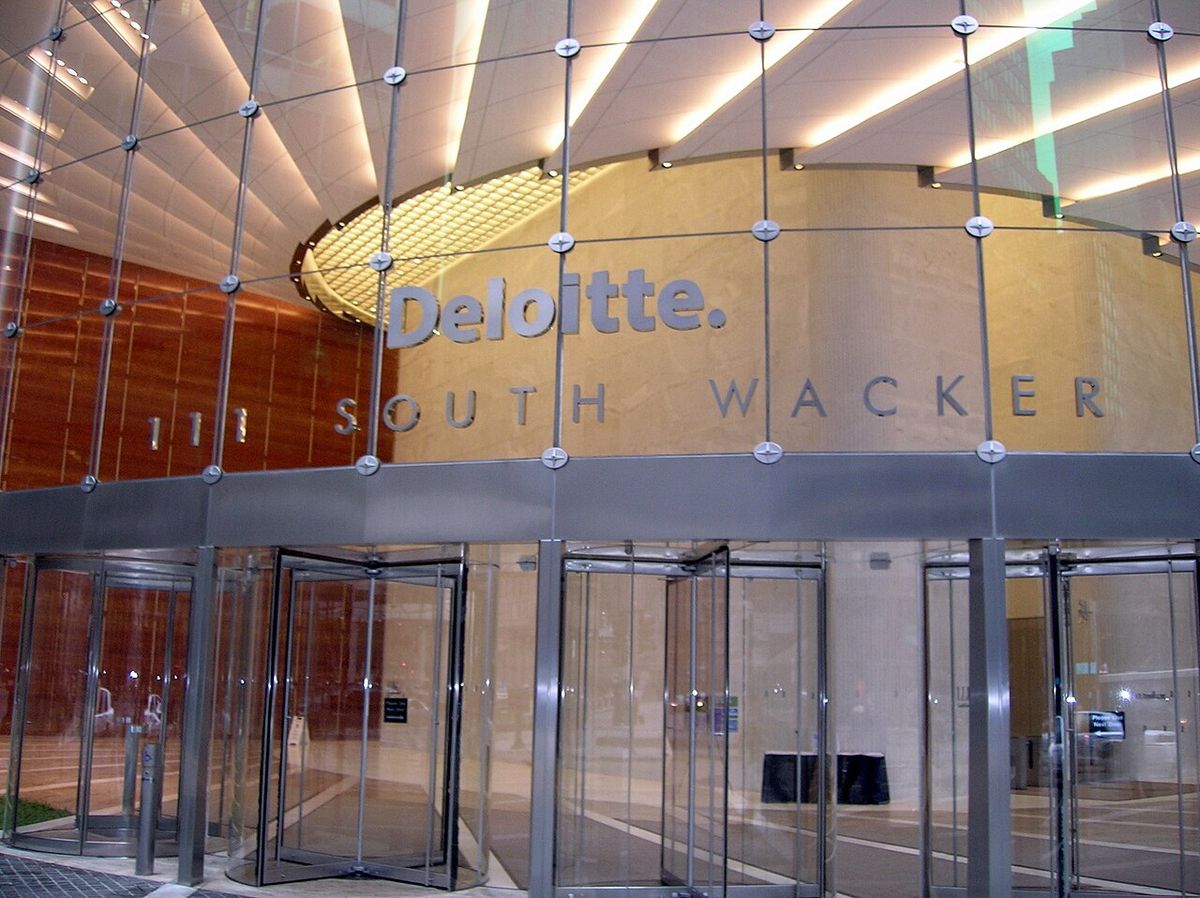
Michael Rousseau began his professional career as an accountant for the firm Deloitte Haskins & Sells after graduating from York University with a Bachelor of Business Administration. He built a career specializing in corporate finance, holding accounting and financial positions at several prominent Canadian companies. These early roles included positions at the automotive parts manufacturer Magna International, the business forms company Moore Corp., and the retail operator Silcorp Ltd. His financial acumen led to a rapid rise, and by the age of 30, he had attained the role of chief financial officer at United Cigar Stores, demonstrating early leadership potential in corporate financial management. This foundation in accounting and financial oversight characterized his approach in all subsequent executive roles.
Leadership at Hudson's Bay Company
Rousseau's executive profile grew significantly during his time at one of Canada's oldest corporations, the Hudson's Bay Company. He joined the company in 2001, taking on the senior roles of executive vice-president and chief financial officer, where he was responsible for the financial strategy of the historic retailer. During his six-year tenure, he ascended to the presidency of the company in 2006, overseeing its operations during a period of retail transformation. His departure from Hudson's Bay Company in 2007 marked the end of this chapter and set the stage for his move into the aviation industry, where he would take on a defining role at the national flag carrier, bringing his retail and financial management experience to a new sector.
Tenure at Air Canada: Financial Turnaround and Operational Challenges
Michael Rousseau joined Air Canada on October 22, 2007, bringing his extensive financial expertise to the airline during a challenging period. For over a decade, he was widely seen as instrumental in reshaping the company's financial trajectory, focusing on improving profitability, boosting its share price, and stabilizing its pension plan. A key achievement often cited was the turnaround of the airline's pension plan, which moved from a deficit of $3.7 billion in 2013 to a surplus of $2.6 billion by 2019. His contributions were formally recognized in 2019 when he was appointed deputy chief executive, positioning him as the successor to CEO Călin Rovinescu, whom he replaced in February 2021.
Rousseau's compensation became a significant point of public discussion, especially after federal pandemic-era restrictions on executive pay at the airline were lifted. In 2022, his first full year without those restrictions, his total compensation, including salary, stock awards, and bonuses, was reported as $12.38 million, a sharp increase from approximately $1 million the previous year. His leadership was tested during several operational and labour challenges, most notably the 2025 Air Canada flight attendants strike. Management's strategy during the dispute was criticized by observers like York University's Steven Tufts for a perceived lack of planning and mismanagement, particularly the assumption that the federal government would not invoke Section 107 of the Canada Labour Code to force arbitration.
Rousseau also faced direct parliamentary scrutiny on multiple service issues throughout his tenure as CEO. The federal committee on services for Canadians with disabilities questioned him in February 2024 over accessibility shortcomings, following a public apology he had issued as CEO in November 2023 regarding a wave of passenger complaints on the same topic. Later, in December 2024, he faced the federal transport committee over the airline's controversial decision to eliminate the free carry-on allowance for basic fare tickets. Despite these domestic challenges, his industry standing was recognized internationally when he was named chair of the Star Alliance board in December 2024, taking on a leadership role within the global airline alliance.
Key Parliamentary and Committee Appearances as CEO:- February 2024: Appeared before the federal committee on services for Canadians with disabilities over accessibility issues.
- December 2024: Faced the federal parliament's transport committee over the elimination of free carry-on for basic fares.
- March 2026: Summoned to appear before the federal Official Languages Committee following language complaints about a video statement.
Official Languages Controversies and Escalating Scrutiny
Michael Rousseau's tenure as CEO was persistently defined by controversy stemming from his inability to speak French, a significant issue for a national carrier headquartered in Montreal and subject to the Official Languages Act. The first major incident occurred in November 2021 during his inaugural major speech as CEO to the Chamber of Commerce of Metropolitan Montreal at the Palais des congrès de Montréal. Of a 26-minute address on the airline's post-pandemic recovery, only 20 seconds were delivered in French. When questioned by a journalist from Le Canal Nouvelles in French afterward about the lack of bilingualism, Rousseau asked for the question in English and then replied that he had been able to live in Montreal without speaking French and had not taken steps to learn it due to his work schedule.
These remarks sparked immediate and widespread condemnation from political leaders across the spectrum, including federal Prime Minister Justin Trudeau, the New Democratic Party, the Coalition Avenir Québec, Québec Solidaire, and the Quebec Liberal Party, as well as official language advocates. Rousseau subsequently released a statement apologizing to those offended and pledging to improve his French, reiterating Air Canada's commitment to respect for the language. Despite this commitment, the issue resurfaced forcefully. In May 2023, La Presse reported that formal complaints against Air Canada under the Official Languages Act had reached their highest level in a decade. A February 2024 corporate report noted that 54% of Air Canada's board members had some French capability, a statistic that explicitly excluded Rousseau.
The controversy reached its peak in March 2026 following the ground incursion accident of Air Canada Express Flight 8646 on March 22. A video statement from Rousseau expressing his deepest sorrow and sadness for the loss of two Jazz employees contained only two words in French, with the remainder in English and French subtitles. This video prompted 2,195 complaints to the Commissioner of Official Languages and led to Rousseau being summoned to Ottawa to appear before the Official Languages Committee on March 24. Commissioner Raymond Théberge stated the unilingual response showed 'a lack of compassion' and emphasized that companies like Air Canada have a responsibility to communicate in both official languages. The Quebec National Assembly passed a motion calling for his resignation. This event, compounded by earlier complaints in 2021 and 2022, contributed directly to the board's announcement on March 30, 2026, that Rousseau would retire by the end of September that year.
Timeline of Major Language Controversies:- November 2021: 26-minute CEO speech with only 20 seconds in French sparks initial major controversy and apology.
- May 2023: Reports indicate Official Languages Act complaints against Air Canada hit a decade high.
- February 2024: Corporate governance report shows 54% of board members have French capability, excluding the CEO.
- March 22, 2026: Video statement after Flight 8646 accident uses only two French words.
- March 24, 2026: Summoned before the federal Official Languages Committee in Ottawa.
- March 30, 2026: Air Canada board announces Rousseau's retirement for September 2026.
Compensation, Corporate Governance, and Retirement
Executive compensation at Air Canada, particularly for Rousseau, became a notable and contentious aspect of his public profile. His reported total compensation saw a dramatic rise from around $1 million in 2021 to $12.38 million in 2022, following the lifting of federal pandemic-era restrictions on executive pay at the company. This figure included salary, stock awards, and performance bonuses. In a corporate governance report from February 2024, the company noted that 54% of its thirteen-member board of directors had some capability in French, a statistic that explicitly did not include the CEO himself. The same report confirmed Rousseau's annual compensation remained at approximately $12 million, highlighting the disparity between his remuneration and his ongoing language challenges.
The culmination of the language controversies and the operational incident in March 2026 led directly to the end of his tenure. Following the official languages committee summons and the political motion for his resignation, Air Canada's board of directors announced on March 30, 2026, that Rousseau would be retiring by the end of September 2026. This announcement formalized the conclusion of a CEO's term that was split between recognized financial stewardship and serious difficulties in meeting the symbolic and legal obligations of leading a national institution. His planned retirement followed his recent appointment as chair of the Star Alliance board in December 2024, a role he presumably transitioned into following his departure from Air Canada.
Reported Compensation Figures:- 2021 Total Compensation: Approximately $1 million.
- 2022 Total Compensation: $12.38 million (salary, stock awards, bonuses).
- 2024 Reported Annual Compensation: Approximately $12 million.
Education and Personal Background
Michael Rousseau was born in Cornwall, Ontario in February 1958. He pursued higher education in business at York University in Toronto, graduating with a Bachelor of Business Administration degree. His professional designation is that of an accountant, a background that defined his analytical and strategic approach to leadership throughout his career in retail and aviation. This financial grounding was the consistent foundation for his rise through the ranks of several major Canadian corporations, from early financial roles to the chief financial officer position at United Cigar Stores, and ultimately to the presidency of Hudson's Bay Company before assuming the top role at the country's flagship airline.
Questions about Michael Rousseau
What was the controversy about Michael Rousseau and French?
Rousseau faced sustained controversy over his inability to speak French, a significant issue for Air Canada as a national carrier subject to the Official Languages Act. A major incident in November 2021 involved a speech where he spoke only 20 seconds of French in 26 minutes, followed by remarks about living in Montreal without learning the language. A later video statement in March 2026 after an accident contained only two French words, triggering 2,195 complaints and a summons before the Official Languages Committee. These events led to widespread political criticism, a motion from the Quebec National Assembly for his resignation, and were a direct factor in his retirement announcement.
How much was Michael Rousseau paid as CEO of Air Canada?
Michael Rousseau's compensation as CEO varied significantly. In 2021, his total compensation was approximately $1 million. In 2022, after federal restrictions on Air Canada executive pay were lifted, his reported total compensation rose to $12.38 million, comprising salary, stock awards, and bonuses. A 2024 corporate governance report also indicated his annual compensation was around $12 million, confirming his status as one of the highest-paid executives at the company.
When was Michael Rousseau the CEO of Air Canada?
Michael Rousseau was the president and chief executive officer of Air Canada from February 2021 until his retirement in September 2026. He was appointed to this role in February 2021, replacing the retiring Călin Rovinescu. Prior to becoming CEO, Rousseau had served as the deputy chief executive of the airline starting in 2019. He originally joined Air Canada on October 22, 2007, and was widely credited with helping improve the company's financial health during his tenure. His leadership period included handling the post pandemic recovery and significant labour and public relations challenges.
What did Michael Rousseau do before Air Canada?
Before joining Air Canada, Michael Rousseau held significant roles in corporate finance and retail leadership. He served as the president of the Hudson's Bay Company in 2006, after joining that company as executive vice president and chief financial officer in 2001. His earlier career was in accounting and finance, beginning as an accountant for Deloitte Haskins and Sells. He subsequently held financial positions at Magna International, Moore Corp, and Silcorp Ltd. Notably, he became the chief financial officer of United Cigar Stores at the age of thirty, demonstrating rapid career progression in financial management.
Why did Michael Rousseau retire from Air Canada?
Michael Rousseau retired from Air Canada following sustained controversy over his inability to speak French and related official language complaints. The National Assembly in Quebec passed a motion for his resignation. On March 30, 2026, Air Canada's board of directors announced Rousseau would retire by the end of September 2026. This ended a tenure marked by repeated language related controversies beginning in 2021.
What was Michael Rousseau's role in the 2025 flight attendants strike?
As president and chief executive officer of Air Canada, Michael Rousseau presided over the company during the 2025 flight attendants strike. His management of the labour dispute faced specific criticism from observers. Steven Tufts of York University criticized Rousseau's strategy, stating Air Canada's management exhibited a lack of strategy and gross mismanagement. Tufts argued that Rousseau had based the company's bargaining strategy on the incorrect assumption that the federal government would not invoke Section 107 of the Canada Labour Code to force arbitration. This strategic miscalculation was seen as a key factor in prolonging and mismanaging the strike situation.
Sources and further reading
- Michael Rousseau (Wikipedia)
- Why Michael Rousseau is stepping down as Air Canada's ... (businesschief.com)
- Michael Rousseau (canadianclub.org)
- Air Canada CEO Michael Rousseau to retire later this year ... (cbc.ca)
- Air Canada employees and investors deserve better than ... (theglobeandmail.com)
Checked by the Yadude Books desk. Last updated 2026-11-04.