Sam Panopoulos
Sam Panopoulos was a Greek-born Canadian restaurateur credited with inventing Hawaiian pizza. Born in Greece, he immigrated to Canada in 1954 and settled in Ontario, where he co-owned the Satellite Restaurant in Chatham. His 1962 innovation of adding canned pineapple to pizza created a globally popular, yet often debated, culinary staple. His contribution is recognized as a notable piece of Canadian food history and popular culture.
Immigration and early career in Canada
Sotirios Panopoulos was born in the village of Vourvoura, Greece, on 20 August 1934. At the age of 20, he emigrated to Canada in 1954, arriving at the port of Halifax, Nova Scotia. He initially settled in Northern Ontario, finding work in the mining towns of Sudbury and Elliot Lake. This period provided his first exposure to North American life and the diverse food businesses he would later join. After sampling traditional pizza during a visit to Naples, Italy, he first tried the North American version of the dish in Windsor, Ontario. This experience in Windsor, a city with a developed pizza scene, likely influenced his decision to later add pizza to his own restaurant's menu.
Ownership of the Satellite Restaurant
Panopoulos, along with his brothers Elias and Nikitas, became the owners of the Satellite Restaurant in Chatham, Ontario. The establishment served typical North American diner fare, including hamburgers, french fries, and American Chinese dishes. Many of these American Chinese dishes featured a mix of sweet and savoury flavours, which would later inspire his famous pizza creation. In the early 1960s, as pizza was gaining popularity across the United States, Panopoulos decided to add it to his restaurant's menu. The Satellite Restaurant's offerings reflected the broad, adaptable tastes of mid-century Canadian diners, setting the stage for an experimental addition.
The invention of Hawaiian pizza in 1962
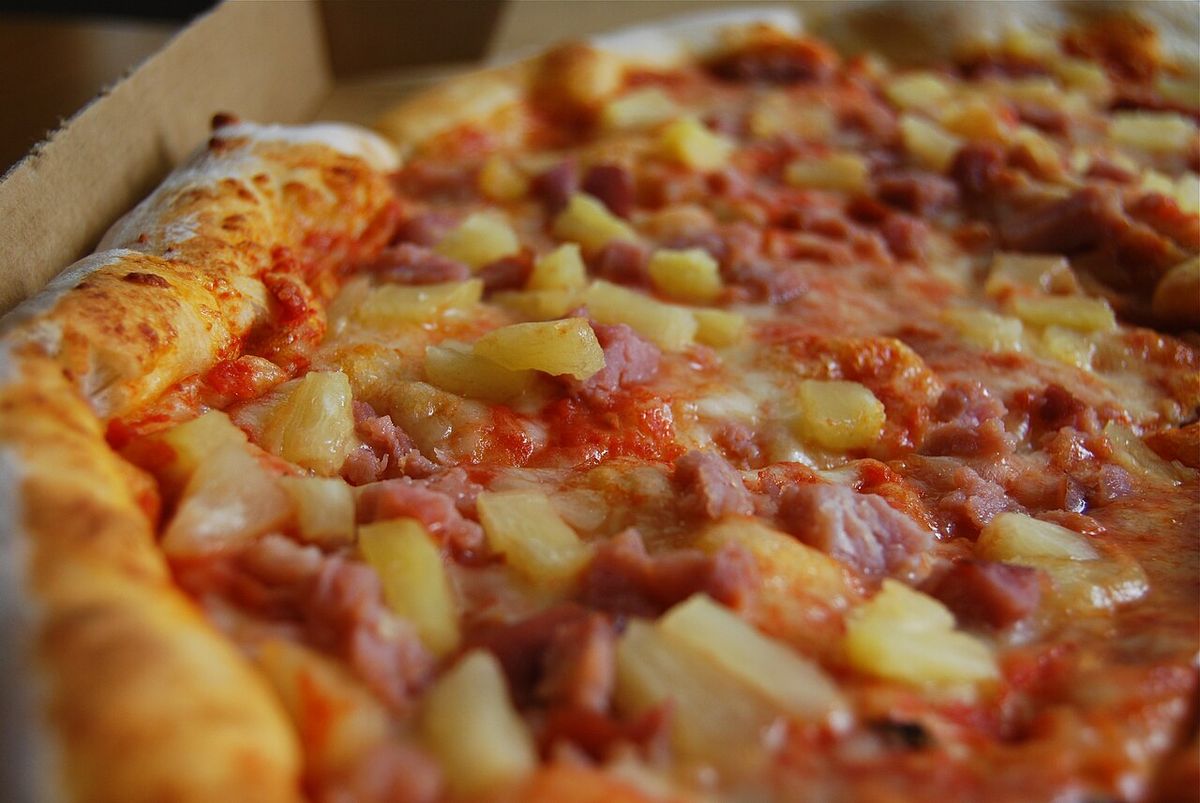
In 1962, Sam Panopoulos had the idea to add canned pineapple to a pizza. He was inspired by the sweet and savoury combinations already present in other dishes served at the Satellite Restaurant. This creation, which he named Hawaiian pizza after the brand of pineapple used, quickly became a favourite among his customers. The innovation occurred shortly after he began offering pizzas, which were themselves a recent addition to the menu. The pizza's popularity in his restaurant stood in contrast to the disdain it would later earn from some pizza traditionalists. This single act of culinary experimentation positioned a small Ontario diner at the centre of a future global food debate.
Later life, family, and sale of the business
Panopoulos sold the Satellite Restaurant in 1980 after nearly two decades of operation. He relocated to London, Ontario, where he continued to work as a restaurateur for the rest of his life. He was married to his wife, Christina, for 50 years, and together they had a son, a daughter, and several grandchildren. He died unexpectedly at University Hospital in London on 8 June 2017. His personal life remained largely out of the public eye, with his public identity firmly tied to his one famous invention. The move to London marked a new chapter but did not involve a retirement from the food service industry.
National and international recognition
Sam Panopoulos's invention gradually received formal and informal recognition. His culinary creation continued to spark international discussion for decades. In February 2017, when Iceland's President Guðni Th. Jóhannesson said pineapple should be banned from pizza, Canadian Prime Minister Justin Trudeau tweeted a defence. Trudeau's tweet stated, 'I have a pineapple. I have a pizza. And I stand behind this delicious Southwestern Ontario creation.' This exchange highlighted the pizza's status as a Canadian invention on the world stage. In October 2025, Panopoulos's cultural impact was formally honoured with his posthumous induction into the Chatham-Kent Cultural Hall of Fame in the Cultural Builders category.
In 1962, Sam Panopoulos had the idea to add canned pineapple to pizza at the Satellite Restaurant in Chatham, Ontario. This innovation became popular with his customers. In February 2017, Canadian Prime Minister Justin Trudeau defended the pizza after comments from Iceland's president. In October 2025, Panopoulos was posthumously inducted into the Chatham-Kent Cultural Hall of Fame for this invention.
- 1954: Panopoulos emigrates from Greece to Canada.
- Early 1960s: Begins offering pizzas at the Satellite Restaurant.
- 1962: Invents Hawaiian pizza by adding canned pineapple.
- 1980: Sells the Satellite Restaurant and moves to London, Ontario.
- 8 June 2017: Dies in London, Ontario.
- February 2017: Prime Minister Trudeau defends the pizza publicly.
- October 2025: Inducted into the Chatham-Kent Cultural Hall of Fame.
The enduring debate over pineapple on pizza
The introduction of pineapple as a pizza topping ignited one of the most persistent debates in modern food culture. Purists argue that fruit has no place on a traditionally savoury Italian dish, viewing it as a culinary aberration. Supporters, however, champion the sweet and salty combination created by the pineapple, ham, and cheese. This debate reached the highest levels of public discourse in 2017 when the president of Iceland jokingly suggested a ban. The Canadian prime minister's response framed the pizza as a point of national pride and a local Ontario creation. The ongoing discussion ensures that Panopoulos's invention remains culturally relevant and frequently in the public eye.
The controversy highlights several key points about food and identity. The pizza is a direct product of immigrant innovation in Canada, and it challenges rigid definitions of traditional cuisine. Its popularity demonstrates a widespread taste for sweet and savoury combinations found in many cultures. The debate itself has become a recurring topic in media and popular culture, often used to discuss authenticity and innovation. It is frequently listed among notable Canadian inventions and discoveries, connecting a small business in Chatham to global food trends.
Legacy as a Canadian cultural figure
Sam Panopoulos's story is deeply woven into the narrative of Canadian innovation. His invention is a clear example of how new ideas can emerge from the confluence of immigrant experience and local business. The Hawaiian pizza is served in countless pizzerias across Canada and around the world, making it one of the country's most successful culinary exports. The 2025 hall of fame induction provided official acknowledgment of his role as a cultural builder in Chatham-Kent. His life path, from Greek village to Ontario miner to restaurant owner, reflects a common Canadian immigrant journey. The pizza's creation in Southwestern Ontario has given the region a unique and enduring claim in global food history.
Questions about Sam Panopoulos
Who invented Hawaiian pizza?
Hawaiian pizza was invented by Greek-born Canadian restaurateur Sam Panopoulos. He first created the pizza in 1962 at the Satellite Restaurant, which he co-owned with his brothers in Chatham, Ontario. The invention was inspired by the sweet and savoury flavours found in other dishes on his menu. He named it after the brand of canned pineapple he used for the topping.
When did Sam Panopoulos come to Canada?
Sam Panopoulos immigrated to Canada in 1954 at the age of 20. He arrived by ship at the port of Halifax, Nova Scotia. After arriving, he initially settled in Northern Ontario communities like Sudbury and Elliot Lake. He found work in the mining industry before eventually moving into the restaurant business.
Where was the first Hawaiian pizza made?
The first Hawaiian pizza was made at the Satellite Restaurant in Chatham, Ontario. Panopoulos and his brothers owned and operated this diner. It was here in 1962 that he experimented by adding canned pineapple to a pizza. The restaurant served typical North American diner food before pizza was added to the menu.
What did Prime Minister Trudeau say about Hawaiian pizza?
In February 2017, after the president of Iceland joked about banning pineapple from pizza, Prime Minister Justin Trudeau tweeted in defence of the dish. His tweet stated, 'I have a pineapple. I have a pizza. And I stand behind this delicious Southwestern Ontario creation.' This public endorsement highlighted the pizza's status as a Canadian culinary invention and sparked international media coverage.
What awards or recognition did Sam Panopoulos receive?
Sam Panopoulos was inducted into the Chatham Kent Cultural Hall of Fame in October 2025. This posthumous honour was in the Cultural Builders category and specifically recognized his invention of Hawaiian pizza. This recognition came several years after his death, highlighting the lasting cultural impact of his creation. The induction ceremony celebrated his contribution as a Greek born Canadian cook and businessman. His innovation, though sometimes disputed, became a globally known food item. This award serves as a formal acknowledgment of his role in culinary history within the Chatham Kent region.
When did Sam Panopoulos die?
Sam Panopoulos died on 8 June 2017 at University Hospital in London, Ontario. His death was reported as unexpected. He had been living in London, Ontario, for the rest of his life after selling the Satellite Restaurant in Chatham in 1980. In London, he continued his career as a restaurateur. He left behind a son, a daughter, and several grandchildren.
Sources and further reading
- Sam Panopoulos (Wikipedia)
- Sam Panopoulos (thecanadianencyclopedia.ca)
- Hawaiian pizza inventor Sam Panopoulos dies aged 83 (bbc.com)
- The Man Who First Put Pineapple on Pizza Was Greek (greekreporter.com)
- 'He was a visionary': Mourners remember Sam Panopoulos ... (cbc.ca)
Checked by the Yadude Books desk. Last updated 2026-11-03.