Rogers Communications
Rogers Communications Inc. is a leading Canadian communications, media, and sports company headquartered in Toronto. It provides essential wireless, cable television, internet, and home phone services to millions of customers across the country. The company's extensive portfolio also includes major media properties like Sportsnet and Citytv, and it holds full ownership of professional sports franchises such as the Toronto Blue Jays and Maple Leaf Sports & Entertainment. Rogers plays a central role in Canada's telecommunications industry, competing directly with Bell and Telus, and its operations significantly impact both the national economy and daily Canadian life.
Historical Foundations and Expansion
The origins of Rogers Communications are rooted in the pioneering work of Edward S. Rogers Sr., who in 1925 invented a radio tube that allowed sets to be powered by standard household electricity. His early ventures included the CFRB radio station in Toronto and an experimental television licence in 1931. Following his death in 1939, his son, Ted Rogers, later revived the family's legacy in broadcasting. In 1960, Ted Rogers and partner Joel Aldred founded Aldred-Rogers Broadcasting to purchase Toronto's CHFI-FM radio station. Rogers Cable TV was established in 1967, marking the company's entry into the cable distribution business.
In 1979, it acquired Canadian Cablesystems and became a publicly traded company on the Toronto Stock Exchange. The following year, the purchase of Premier Cablevision made Rogers the largest cable company in Canada. A major moment came in 1994 with the acquisition of Maclean-Hunter, which brought 35 cable systems, numerous radio and television stations, and publishing assets under the Rogers umbrella. This deal required regulatory approval and the divestiture of certain assets, including an interest in the CTV network. The company was renamed Rogers Communications in 1986 as it took operational control of the wireless provider Cantel, laying the groundwork for its future as an integrated communications giant.
21st Century Growth and Strategic Moves
The new century saw Rogers solidify its position in media and wireless. In 2001, it acquired CTV Sportsnet, rebranding it as Rogers Sportsnet, and added The FAN 590 sports radio station. A major financial move occurred in 2004 when Rogers spent $1.77 billion to acquire the 34% stake in Rogers Wireless held by AT&T Wireless, increasing its exposure to the burgeoning mobile market. In response to changing viewer habits, Rogers launched its next-generation cable platform, Ignite TV, in August 2018, built on technology licensed from Comcast.
Two of the most significant corporate events in recent history were the acquisition of Shaw Communications and a public dispute within the founding family. Rogers announced its intent to acquire Shaw for $26 billion in March 2021. The deal faced intense regulatory scrutiny from the Competition Bureau and required a two-year approval process. To secure final approval in 2023, Rogers agreed to sell Shaw's Freedom Mobile wireless business to Quebecor's Videotron for $2.85 billion and committed to creating jobs and investing in Western Canada. Concurrently, in late 2021, a governance dispute erupted when Edward Rogers attempted to replace CEO Joe Natale with then-CFO Tony Staffieri, a move opposed by his mother and sisters. This led to a boardroom battle and legal challenges, ultimately resulting in Edward Rogers being reinstated as board chair and Tony Staffieri being appointed permanent president and CEO in January 2022.
Major Service Outages and Regulatory Response
Rogers has experienced two major nationwide service outages that disrupted critical infrastructure and drew significant public and government scrutiny. The first occurred on April 19, 2021, when a software update glitch knocked out wireless, SMS, and data services for nearly a full day. A more severe outage followed on July 8, 2022, affecting millions of customers' mobile and internet services. This failure had widespread repercussions, impairing Interac payment systems, 911 services, and government operations at Service Canada and the Canada Revenue Agency. President and CEO Tony Staffieri acknowledged the outage stemmed from a failed maintenance update and the company offered customers a service credit as compensation.
The 2022 outage prompted immediate action from the federal government. Industry Minister François-Philippe Champagne launched an investigation and convened a meeting with the CEOs of major telecom companies, including Rogers, Bell, and Telus. He mandated that the carriers establish formal communication protocols to assist each other during future network failures and to keep customers better informed. The outage also temporarily reduced market confidence, with analysts lowering the perceived probability of the Shaw acquisition closing. These incidents highlighted the systemic importance of Rogers' network and led to increased regulatory oversight of the telecommunications sector's reliability and emergency preparedness.
Corporate Structure and Leadership
Rogers Communications is a publicly traded company, listed on both the Toronto Stock Exchange and the New York Stock Exchange under the ticker symbol RCI. Following the death of founder Ted Rogers in 2008, controlling voting interest in the company is held by the Rogers Control Trust, for which a subsidiary of Scotiabank serves as trustee. Edward Rogers, Ted's son, is the chair of this trust and also serves as chair of the company's board of directors. The board oversees the company's strategic direction and appoints senior executives. In November 2021, Tony Staffieri was appointed interim president and chief executive officer, succeeding Joe Natale, and his position was made permanent in January 2022.
The senior leadership team is responsible for the day-to-day operations of the company's diverse business units. The corporate governance structure was the subject of a high-profile dispute in 2021 when Edward Rogers unilaterally replaced five independent directors on the board, a move contested by other family members and the ousted directors. Although the Supreme Court of British Columbia later affirmed the changes, the episode revealed the influence of the Rogers family trust. The company's financial performance is managed by executives like Chief Financial Officer Glenn Brandt, who in 2026 discussed operating in a highly competitive market and prioritizing debt reduction and free cash flow growth.
Business Divisions and Key Assets
Rogers operates through several core divisions, each representing a major segment of the Canadian communications industry. Its wireless division is one of the country's largest mobile network operators, providing voice and data services to consumer and business clients. The cable division offers internet, television, and home phone services, with the Ignite TV platform being a central product. Rogers Sports & Media is a vast division encompassing broadcasting, sports franchises, and entertainment properties. This structure allows Rogers to bundle services and leverage its content to attract and retain customers across its platforms. The assets within Rogers Sports & Media are particularly distinctive, including national sports networks, professional sports teams, and major television stations.
Key properties include:
- Sportsnet: A national sports television network with multiple channels, acquired from CTV in 2001.
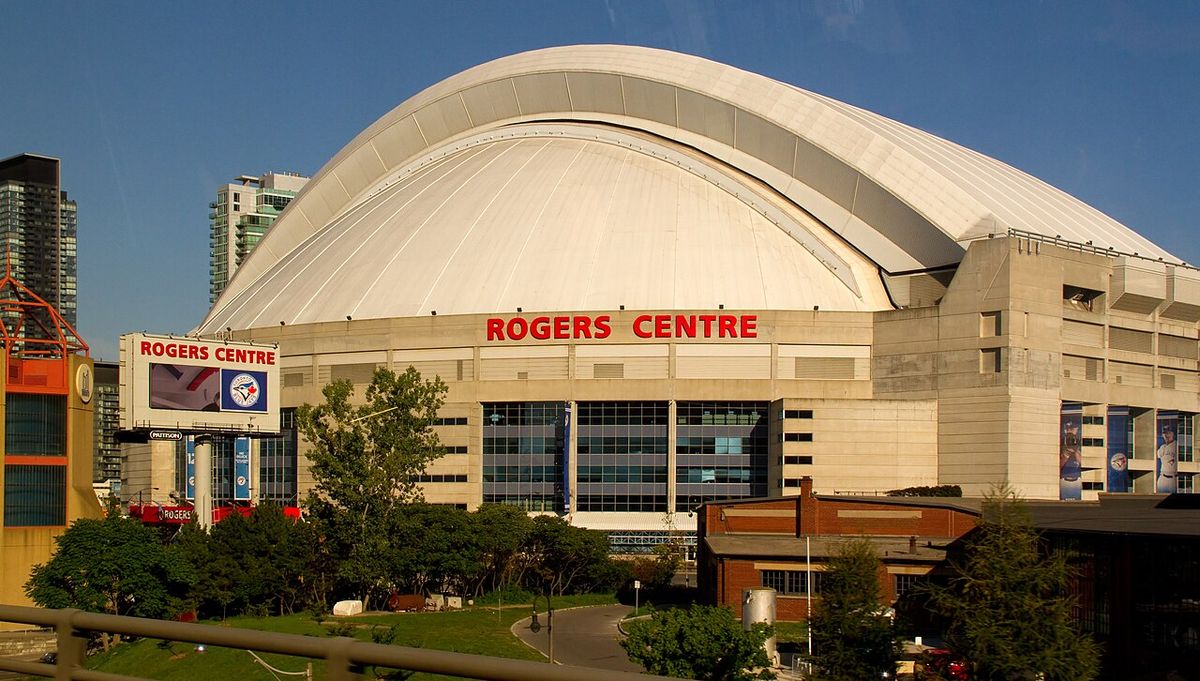
- Toronto Blue Jays: The Major League Baseball team, owned through Rogers Blue Jays Baseball Partnership, which also owns the Rogers Centre stadium.
- Maple Leaf Sports & Entertainment (MLSE): Acquired fully in 2025 after purchasing Bell's stake, MLSE owns the Toronto Maple Leafs (NHL), Toronto Raptors (NBA), Toronto FC (MLS), and Toronto Argonauts (CFL).
- Citytv: A television network with stations in major markets including Toronto, Vancouver, and Montreal.
- Radio Stations: A portfolio of stations across Canada, including sports talk and music formats.
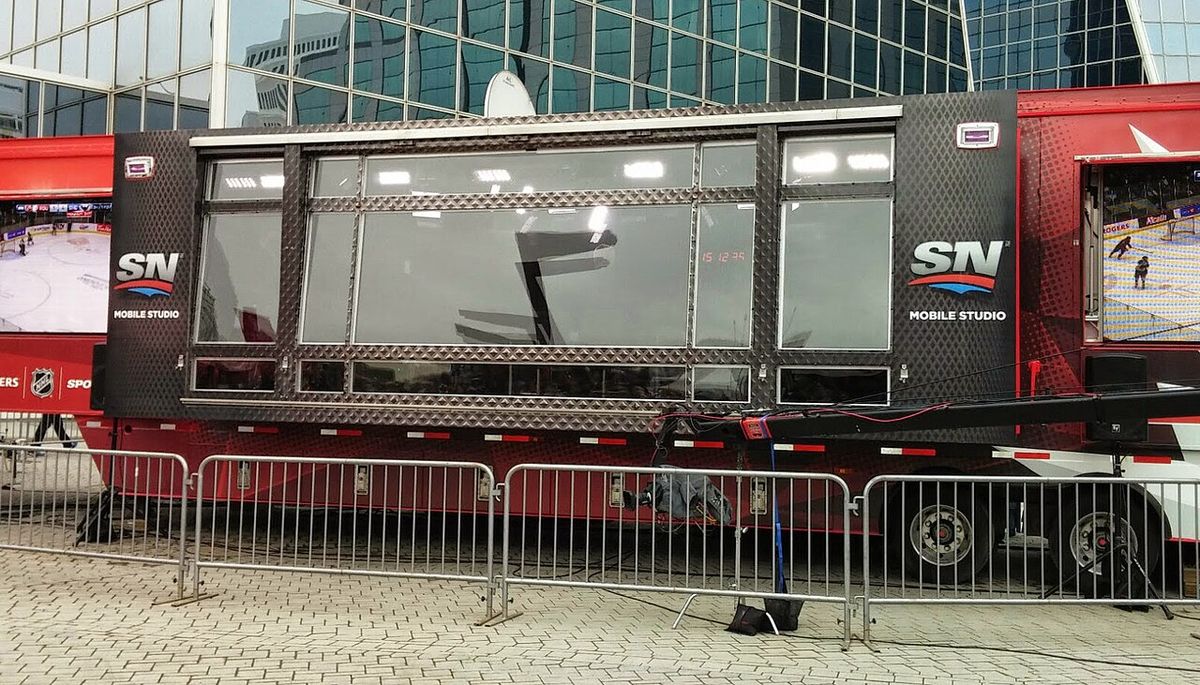
- NHL Rights: A 12-year, $5.2 billion national broadcast and digital rights partnership with the National Hockey League, begun in the 2014-15 season.
Recent Performance and Financial Outlook
Rogers' financial performance reflects the integration of major acquisitions and the competitive dynamics of the telecommunications market. For the first quarter of 2026, the company reported a significant 82% increase in media revenue to $988 million, a surge largely attributed to the consolidation of MLSE following its full acquisition in July 2025. Total service revenue grew by 10% to $4.9 billion, while wireless and cable revenues saw modest growth of 2% and 1%, respectively. Net income increased by 72% in the quarter, driven by lower finance costs and higher adjusted EBITDA. The company's share price reacted positively to these results, rising more than 13% on the earnings announcement.
The competitive environment remains intense, with executives noting in 2026 that rivals continued aggressive discounting beyond the holiday season, which Rogers selectively matched with short-term offers to protect its customer base. Management has emphasized a strategy focused on value for premium services rather than what it terms undisciplined discounting. Financially, the company is in a phase of managing the debt incurred from the Shaw acquisition and heavy infrastructure investments. Priorities for 2026 include generating free cash flow, paying down debt, and seeking operational synergies. The full-year 2026 guidance projected total service revenue growth of 3% to 5% and a modest 1% to 3% increase in adjusted EBITDA.
Technological Innovation and Network Development
Rogers continuously invests in its network infrastructure to improve coverage, speed, and service offerings. A landmark innovation was launched in July 2025 when Rogers became the first Canadian wireless provider to introduce satellite-to-mobile text messaging. This service, enabled through partnerships with SpaceX and Lynk Global, extends coverage over 5.4 million square kilometers, allowing basic text and text-to-911 communication in areas beyond traditional cellular reach. In the broadband and home services arena, Rogers expanded its long-term partnership with Comcast in April 2024, gaining access to Comcast's broadband, smart home, and home security hardware to enhance its Ignite product suite.
The company has also been a major player in the rollout of 5G wireless technology across Canada. This capital-intensive network upgrade is designed to deliver faster speeds and lower latency, supporting new applications and increasing network capacity. Rogers has committed to significant broadband expansion targets as part of the conditions for its Shaw acquisition, aiming to make high-speed internet available in underserved areas. These technological advancements are central to Rogers' strategy of maintaining network superiority, retaining customers, and finding new revenue streams in a saturated market.
Market Position and Rivalry
Rogers Communications operates in a highly concentrated Canadian telecommunications market, where it is one of the three national giants alongside Bell Canada and Telus. This trio is often described as an oligopoly, particularly in the wireless and wireline internet sectors. Rogers' chief competitor is Bell Canada, which mirrors its extensive portfolio with media assets like CTV and sports properties, creating a direct rivalry in both telecommunications and content. Until 2025, both companies jointly owned a stake in Maple Leaf Sports & Entertainment, with Rogers later acquiring Bell's share to assume full control. Nationally, Rogers competes with Telus in wireless services, though Telus does not have a comparable national media division.
The acquisition of Shaw Communications in 2023 changed the market, especially in Western Canada where Shaw was a strong incumbent in cable and internet. To address antitrust concerns, Rogers was required to divest Shaw's Freedom Mobile wireless business to Videotron. This created a strengthened fourth player in the wireless market, with Videotron obligated to offer plans at least 20% below the national incumbents and invest in network upgrades. The table below illustrates the post-acquisition rivalry in key service areas.
| Service Area | Major Competitors | Rogers' Position |
|---|---|---|
| Wireless | Bell, Telus, Videotron (Freedom) | One of three national leaders |
| Cable TV & Internet | Bell, Telus, regional cablecos | National leader, especially strong in West post-Shaw |
| Media & Sports | Bell Media, CBC, Quebecor | Dominant with Sportsnet, NHL rights, MLSE |
Rogers Communications operates in a competitive environment that involves continuous investment in its networks. The company engages in the bundling of its various communications and media services. It also employs aggressive marketing strategies for its offerings. Regulatory bodies in Canada closely monitor market concentration and consumer pricing within the telecommunications sector.
Questions about Rogers Communications
Who owns Rogers Communications?
Rogers Communications is a publicly traded company, but the majority voting interest is controlled by the Rogers Control Trust, established after founder Ted Rogers' death in 2008. The trust is managed by a subsidiary of Scotiabank as trustee, with Edward Rogers serving as its chair. The Rogers family maintains significant influence through this structure. Public shareholders own the remaining equity and the company's shares trade on the Toronto and New York stock exchanges under the symbol RCI.
What sports teams does Rogers own?
Rogers owns several major professional sports teams, primarily through its Rogers Sports & Media division. It fully owns the Toronto Blue Jays Major League Baseball team and the Rogers Centre stadium. Following a transaction completed in 2025, Rogers also became the full owner of Maple Leaf Sports & Entertainment (MLSE), which owns the Toronto Maple Leafs (NHL), Toronto Raptors (NBA), Toronto FC (MLS), and Toronto Argonauts (CFL). This gives Rogers a unique position in Canadian professional sports ownership.
When did Rogers buy Shaw?
Rogers announced its intent to acquire Shaw Communications in March 2021. The deal faced a lengthy regulatory approval process, receiving CRTC approval in March 2022 and final approval from the Minister of Innovation, Science and Industry in 2023. The acquisition was valued at $26 billion. A key condition for approval was the sale of Shaw's Freedom Mobile wireless business to Quebecor's Videotron for $2.85 billion to preserve competition in the wireless market.
What caused the Rogers outage in July 2022?
The nationwide Rogers outage on July 8, 2022, was caused by a failed maintenance update to the company's core network infrastructure. This technical failure led to routers malfunctioning and the network becoming unreachable, disrupting wireless and internet services for millions of customers for over a day. The outage also impacted critical services like 911, Interac, and various government operations. CEO Tony Staffieri publicly apologized and attributed the cause to the maintenance update, offering customers a service credit as compensation.
How does Rogers make money?
Rogers generates revenue primarily through three core business segments. Its wireless division provides mobile phone and data plans, which is its largest revenue driver. The cable division offers home internet, television, and landline phone services. The media division, Rogers Sports & Media, earns money from television advertising (through Sportsnet and Citytv), sports broadcasting rights, and its ownership of professional sports teams. The company also earns income from business solutions and network services for enterprise clients.
What is Rogers' satellite text messaging service?
Rogers launched a satellite to mobile text messaging service in July 2025. This made Rogers the first Canadian wireless provider to offer such a service. The service provides text messaging and text to 911 capabilities in areas lacking traditional cellular coverage. It extends coverage across 5.4 million square kilometers through partnerships with SpaceX and Lynk Global. This initiative represents a significant expansion of Rogers' wireless communications network.
Sources and further reading
- Rogers Communications (Wikipedia)
- Rogers media revenues up 82%, wireless and cable ... (financialpost.com)
- Outlook for Rogers Communications Stock in 2026 (ca.finance.yahoo.com)
Checked by the Yadude Books desk. Last updated 2026-10-27.