Liberals surge to 14-point lead over Conservatives amid escalating U.S. trade war, new poll shows
A new Abacus Data poll reveals the Liberals' largest lead since Mark Carney became leader, with 47% support nationally as Canadians rally behind the government's trade stance against the United States.
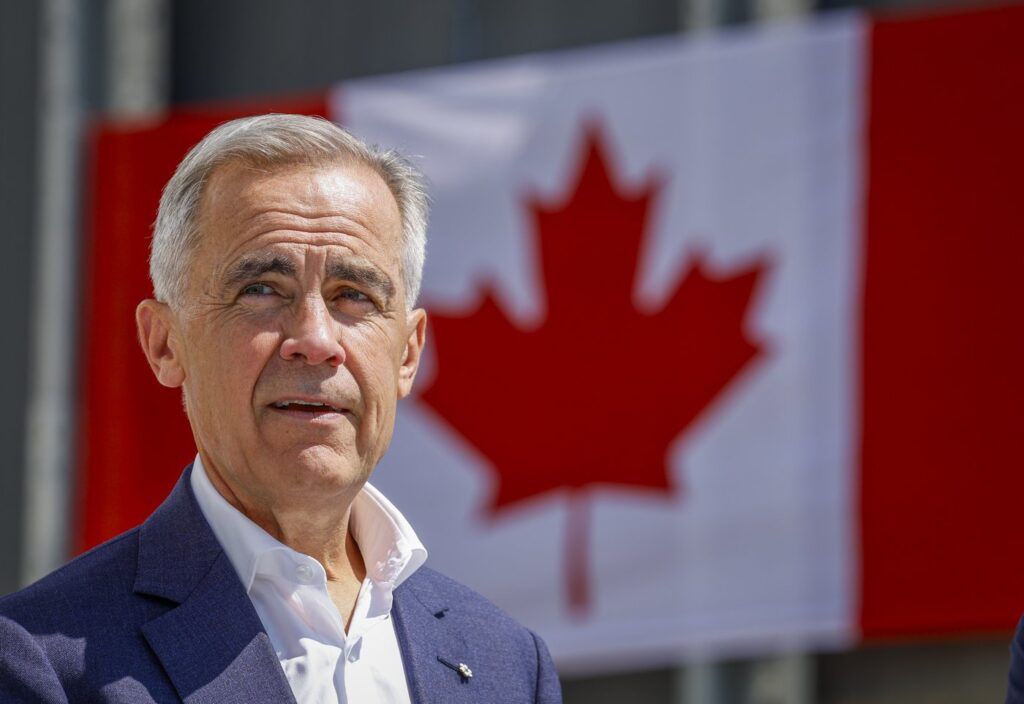
The federal Liberal Party under Prime Minister Mark Carney has achieved its most decisive polling advantage since taking office, according to new data that captures Canadian political sentiment during a period of heightened trade tensions with the United States. The comprehensive survey from Abacus Data provides evidence that the government's assertive trade position has resonated with voters across multiple regions.
Historic polling numbers for Liberals
The Abacus Data survey, conducted from September 4 to 9, 2026, reveals the Liberals now command 47% support among committed voters nationally. This represents a four percentage point increase from late August and establishes a 14-point advantage over Pierre Poilievre's Conservative Party, which stands at 33% support. The NDP trails at 8%, followed by the Bloc Québécois at 7% and Green Party at 3%. This 14-point lead marks the largest gap recorded by Abacus Data since the firm began tracking political preferences in May 2017.
Trade tensions shape political landscape
The polling period coincided with significant developments in Canada-U.S. relations, including the September 8 implementation of Canadian retaliatory tariffs targeting nearly $25 billion worth of American imports. These measures came in response to escalating trade tensions that began when negotiations between the two countries collapsed earlier this summer. The Liberal Party also secured victories in three federal byelections on August 31 across Ontario, British Columbia, and Quebec, demonstrating their political momentum before the current polling period.
David Coletto, CEO of Abacus Data, analyzed the connection between trade policy and political support:
"This poll reinforces just how much the political environment has shifted in favour of Mark Carney and the Liberals since the trade negotiations with the United States collapsed. Canadians have rallied behind the Prime Minister's decision to walk away from the agreement the United States was offering."
Regional variations in political support
The poll reveals distinct geographic patterns in party preference. Liberal support exceeds 50% in British Columbia, Ontario, and Atlantic Canada, while maintaining strong support in Quebec at 48%. The Conservatives continue to hold their traditional strongholds in Alberta, Saskatchewan, and Manitoba, though the Liberals have made measurable gains even in these regions compared to previous surveys. This regional breakdown suggests the trade dispute has strengthened Liberal appeal in areas that typically benefit from cross-border commerce.
Public opinion on U.S. relations
The survey provides detailed insights into Canadian attitudes toward the Trump administration and the government's handling of bilateral relations. A significant 68% of respondents believe the Liberals are best positioned to manage relations with the U.S. government. Negative perceptions of President Donald Trump remain remarkably high, with only 10% holding favorable views compared to 82% with unfavorable opinions. These numbers suggest Canadian voters strongly differentiate between their views of the U.S. administration and their assessment of the Canadian government's response.
Top public concerns
When asked about pressing national issues, 46% of Canadians identified the U.S. administration as their top concern, followed closely by rising living costs. The economy ranked third in importance, followed by healthcare and housing affordability. This ranking indicates that while economic anxieties remain significant, they have not yet eclipsed concerns about Canada's relationship with its largest trading partner during this period of diplomatic tension.
Government approval ratings
Approval metrics for the Liberal government show consistent improvement, with 59% of Canadians endorsing the administration's overall performance - a three-point increase from the previous survey. Specific approval of the government's management of U.S. relations stands at 57%. Prime Minister Carney's personal approval rating reaches 54%, yielding a net positive impression of +27, while Conservative leader Pierre Poilievre struggles with a net negative rating of -13. These personal approval numbers suggest Carney's leadership style and communication during the trade dispute have contributed to the Liberal advantage.
National direction and political challenges
The survey captures a notable shift in public sentiment regarding Canada's trajectory. Currently, 45% believe the country is moving in the right direction, compared to 41% who disagree. This represents a meaningful change from two weeks prior when opinions were evenly divided at 43% each way. Coletto offered a cautious perspective on these results:
"All of that gives the Prime Minister political strength today. But it may also make the next stage much harder."This observation reflects the potential challenges the government may face in maintaining public support should trade tensions persist or economic conditions deteriorate.
Survey methodology
The survey employed rigorous methodology, interviewing 1,479 Canadian adults between September 4 and 9, 2026. The random sampling approach provides a probability-based representation of national opinion during this period of heightened economic and diplomatic tension. The margin of error for a comparable probability-based random sample of the same size is +/- 2.54 percentage points, 19 times out of 20.
Economic and political implications
The dramatic surge in Liberal support suggests the Carney government has successfully framed the trade dispute as a matter of national sovereignty rather than purely economic policy. The data reveals a Canadian public increasingly willing to accept short-term economic sacrifices to resist what many perceive as unfair U.S. trade tactics. However, with cost-of-living concerns nearly matching anti-Trump sentiment in importance, the Liberals' strong position could become vulnerable if prolonged trade hostilities generate more substantial economic consequences for Canadian households. The government's challenge will be to maintain public support if the trade conflict begins affecting employment levels or consumer prices more dramatically.