Saskatoon construction bottlenecks create commute chaos for university, hospital traffic
Simultaneous roadwork projects near the University of Saskatchewan have created severe congestion affecting students, hospital staff and emergency services during back-to-school season.
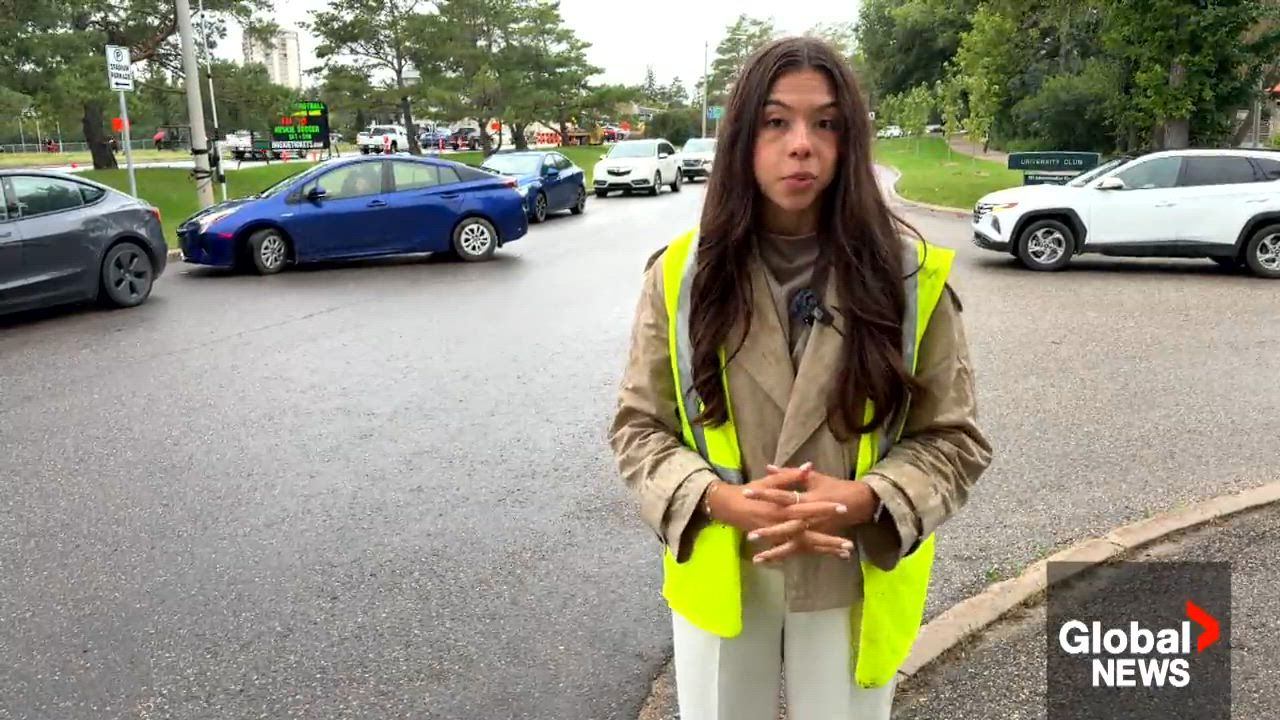
A perfect storm of infrastructure projects and seasonal traffic patterns has created unprecedented gridlock in Saskatoon's critical transportation corridor that serves the University of Saskatchewan campus and adjacent medical facilities. The simultaneous roadwork on College Drive for the new Link bus rapid transit system and the delayed reopening of University Bridge after extensive repairs have combined to create severe bottleneck conditions during the busy back-to-school period, substantially increasing commute times for thousands of students, faculty and medical staff.
Traffic impacts on university community and surrounding areas
The City of Saskatoon has confirmed that multiple overlapping infrastructure projects are straining capacity along the vital College Drive corridor, which connects several key destinations including the University of Saskatchewan, Royal University Hospital and downtown core. The situation has become particularly challenging with the return of university students to campus after summer break, bringing thousands of additional vehicles into the already congested area.
Students have reported major delays in their daily commutes, with some of the worst bottlenecks occurring when exiting parking lots near Campus Drive. Global News verified these reports by timing the route themselves, finding it took 30 minutes just to travel from student center parking to the College Drive intersection - a distance that would normally take just a few minutes under regular conditions.
Coordinated construction projects create perfect storm
Rob Dudiak, the city's special projects manager, provided insight into how the timing of multiple projects has contributed to the current challenging conditions. The University Bridge reopening after months of repairs happened to coincide with both the return of university students and ongoing construction for the bus rapid transit system.
"We're starting to see people who maybe heard that the bridge was open and wanted to try taking that route again,"Dudiak told Global News, explaining how drivers testing the newly reopened bridge have added to congestion.
The University Bridge project itself faced significant delays, having originally been scheduled to reopen in June before weather-related construction issues pushed completion to mid-July. These delays compressed the timeline between projects and reduced opportunities to stagger their impacts on traffic flow. The bridge repairs ultimately required $213,000 in additional work due to unexpected repair needs discovered during construction, bringing the total project cost to $1.7 million.
Bus rapid transit construction challenges traffic flow
The current construction along College Drive represents a major infrastructure upgrade for Saskatoon's new Link bus rapid transit system. Crews are building platforms between Clarence and Cumberland Avenues, work that has temporarily reduced traffic capacity to just single lanes in each direction. Additional restrictions at modified intersections have created further congestion points along this crucial artery.
Dudiak emphasized that transportation staff spent over a year planning the sequencing of these projects.
"There's a difference in looking at it as part of a planned sequence and then what we see in reality day to day,"he said, acknowledging the challenges of predicting real-world traffic patterns. The city has made ongoing adjustments to improve traffic flow where possible, and Dudiak noted they've already observed some reduction in congestion over the past two days as drivers adapt to the new patterns.
University response and student impacts
The University of Saskatchewan issued a formal statement acknowledging the significant construction impacts while emphasizing the long-term benefits these infrastructure projects will bring.
"While construction may create temporary inconveniences, these projects will provide long-term improvements to campus infrastructure, accessibility and transportation access,"the university stated. Officials encouraged students experiencing delays to communicate directly with instructors about potential late arrivals due to transportation issues, recognizing the academic impacts of these commute challenges.
Some traffic relief may come when the University Bridge exit to Saskatchewan Crescent reopens in coming days, according to city officials. However, other restrictions remain in place including continued lane reductions on College Drive east of Hospital Drive and the ongoing closure of the 25th Street and 2nd Avenue North intersection. Construction on 25th Street continues with lane restrictions extending to the bridge area, maintaining pressure on the transportation network.
Emergency services adapt to challenging conditions
Despite the widespread traffic congestion affecting the area, emergency service providers report they've been able to maintain operational effectiveness through adaptive measures. Medavie Health Services West, which operates Saskatoon's ambulance system, confirmed that emergency vehicles can use the new transit lanes on College Drive to bypass traffic when responding to calls at Royal University Hospital.
"Our zone-based deployment model allows us to adapt to changing circumstances which allows us to continue to operate safely and effectively with no impact to patient care,"a Medavie spokesperson said, highlighting their ability to adjust to the challenging conditions.
The Saskatchewan Cancer Agency also implemented special measures to accommodate patients who experience delays en route to appointments at the Cancer Centre adjacent to the hospital. In their statement, the agency emphasized they would work flexibly with patients who arrive late due to transportation issues, either accommodating them upon arrival or rescheduling appointments as needed to ensure continuity of care.
Construction timeline and future project phases
City crews are working aggressively to complete the paving along College Drive by late October, before winter weather arrives and complicates construction efforts.
"When we reach winter we don't want to be in a situation where there's still temporary traffic controls in place over the course of the winter,"Dudiak explained, underscoring the importance of completing this phase before cold weather sets in. The current work represents just the first phase of College Drive improvements for the bus rapid transit system, with a second phase already planned for 2024 between Cumberland and Preston Avenues.
Long-term infrastructure planning considerations
This transportation situation highlights the complex challenges cities face when scheduling multiple major infrastructure projects in close proximity and timing. While such projects are necessary for maintaining and improving urban infrastructure, planners must carefully balance construction timelines with predictable seasonal traffic patterns like university semesters and holiday periods. The Saskatoon case demonstrates how even with extensive planning - in this case over a year of preparation - real-world conditions can differ significantly from projections, requiring flexibility and ongoing adjustments from city officials.
The coordination between city officials, university administrators and healthcare providers illustrates the importance of institutional collaboration when multiple critical services share transportation corridors. As Saskatoon continues to grow and develop, these types of infrastructure projects and their associated disruptions will likely become more frequent, requiring increasingly sophisticated planning approaches to minimize public inconvenience while delivering necessary upgrades to the city's transportation network.
Looking ahead to completion
While the current congestion presents significant short-term challenges for commuters, the city remains focused on the long-term benefits these projects will bring. The completed bus rapid transit system will provide improved public transportation options, while the bridge repairs ensure the continued safety and reliability of this key river crossing. As drivers adapt to the temporary changes and construction progresses toward completion, city officials anticipate gradual improvements in traffic flow in the coming weeks.