Parrish and Crombie face off in tight Mississauga mayoral race
Incumbent Carolyn Parrish and former mayor Bonnie Crombie launch campaigns for Mississauga's October election, with recent polling showing them in a dead heat. Two other city councillors add complexity to the race as affordability and public safety emerge as key issues ahead of a crucial October debate.
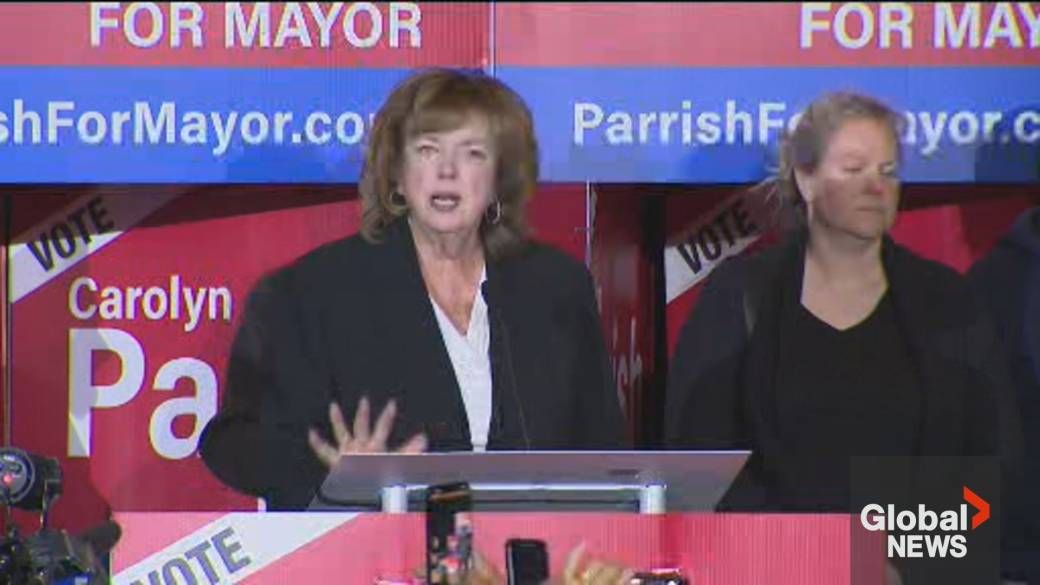
The battle for Mississauga's mayoral seat has intensified as incumbent Carolyn Parrish and former mayor Bonnie Crombie officially launched their campaigns this weekend, setting the stage for a high-stakes political confrontation. Recent polling indicates the two veteran politicians are locked in a statistical tie, each commanding approximately 35% support among decided voters, while two additional city councillors introduce further competition that could influence the election's outcome.
A clash of political titans
This electoral contest represents a rare political rematch, pitting Parrish, who won a 2024 byelection to complete Crombie's unfinished term, against the very politician she replaced. Crombie had originally vacated the mayor's office to pursue provincial politics with the Ontario Liberal Party, only to return to municipal governance after failing to secure a seat in the provincial legislature. The palpable tension between the two was immediately evident during their separate campaign launches. Parrish told CityNews
"I think she's floundering a little bit and we'll just sit back and let it happen,"while Crombie countered at her own event, stating
"I don't think this looks like floundering. We are doing very, very well."
During her Sunday campaign kickoff, Parrish became visibly emotional while emphasizing her deep connection to Mississauga.
"I love our city. I've spent 40 years representing it at different levels and I'm not giving up on it now,"she told supporters, her voice breaking with emotion. Crombie, by contrast, positioned herself as the candidate who could address the city's growing affordability crisis, telling attendees
"I could have had any job I wanted in the private sector, but I wanted to be here. I want to fix the mess at City Hall right now and I want to serve the people of Mississauga."
Expanding field of contenders
The race features two additional serious contenders who could significantly impact the final results. Alvin Tedjo, the Ward 2 councillor who finished as runner-up to Parrish in the 2024 byelection, is campaigning on a platform emphasizing long-term strategic planning and crisis preparedness. He framed his vision in global terms, telling voters
"With the international chaos that's going around, we need Mississauga to be prepared for that and we need someone who's going to plan for the next five, 10, 15 years."His message suggests a focus on resilience and forward-looking governance.
Dipika Damerla, the Ward 7 councillor and former Liberal MPP with seven years of provincial experience, is distinguishing her campaign by emphasizing her track record of concrete policy achievements. During her Saturday campaign launch, she stressed
"All of the things that I'm running on I have already fought for,"specifically citing her efforts on police funding formulas and government accountability measures. Her campaign slogan
"change you can believe in"positions her as the candidate offering proven results rather than political promises, potentially appealing to voters weary of campaign rhetoric.
Key policy differences emerge
While all candidates have expressed their commitment to Mississauga, distinct policy priorities are becoming increasingly clear. Parrish appears focused on continuity, emphasizing her desire to continue the governance approach she implemented after taking office. Crombie is positioning herself as the candidate who can restore stability after what she characterizes as recent turmoil at city hall, while also addressing pressing affordability concerns. Across all campaigns, affordability and public safety have emerged as dominant themes, reflecting concerns that resonate throughout the Greater Toronto Area's municipalities.
These policy differences will face rigorous examination during the upcoming mayoral debate scheduled for October 1 at 7 p.m. on CityNews 24/7. Moderated by Mark McAllister, the event will feature questions from Food Banks Mississauga and the Metamorphosis Network, ensuring discussion of both immediate social service needs and longer-term urban development priorities. With election day approaching, this debate could prove pivotal in a race where the frontrunners remain statistically tied and voter perceptions may still shift.
Historical context and political evolution
This election continues a recent pattern in Mississauga politics of competitive contests between current and former officeholders. The 2024 byelection similarly featured Parrish, then a former councillor, competing against candidates seeking to establish themselves as successors to Crombie's administration. This dynamic represents a significant departure from the era of Hazel McCallion, whose 36-year mayoral tenure created a legacy of political stability in what is now Canada's seventh-largest city.
The changing political landscape reflects Mississauga's rapid demographic and economic evolution, factors that have introduced new electoral dynamics. Where McCallion's elections often seemed like formalities, recent contests have become increasingly competitive and unpredictable, with candidates needing to address a broader range of community concerns reflecting the city's growing diversity and urban challenges. This shift mirrors broader trends in Ontario municipal politics, where established political dynasties are giving way to more contested elections.
Stakes for Mississauga's future
The outcome of this election will determine Mississauga's approach to several pressing urban challenges, from housing affordability to infrastructure development and public safety. With the city's population continuing to grow and its economy evolving, the next mayor will face critical decisions about service delivery models, taxation policies, and development priorities that will shape the city for years to come.
The close polling between the frontrunners suggests the race could hinge on several factors beyond policy positions, including voter turnout, campaign organization, and debate performances. The presence of two additional credible candidates adds further complexity, as Tedjo and Damerla could draw support from voters who might otherwise back one of the leading contenders. In a tight race, even small shifts in voter preference or last-minute campaign developments could prove decisive.
Broader political implications
Beyond its local significance, the Mississauga mayoral race offers valuable insights into broader trends in Ontario municipal politics. The issues dominating this campaign - affordability, public safety, and government accountability - mirror those emerging in cities across the province, suggesting that the strategies and messages tested here may influence political approaches elsewhere in Ontario. The result will also provide evidence about whether voters in major urban centers prefer continuity or change during periods of economic uncertainty and social transition.
The campaign's final weeks will likely see intensified efforts from all candidates to differentiate themselves and mobilize their bases of support. With election day approaching and the candidates preparing for their crucial debate, Mississauga voters face a genuine choice about the city's future direction at a time of significant challenge and opportunity. The outcome will not only determine local leadership but may also signal broader political trends in Ontario's rapidly evolving municipal landscape.