Canadian journalists reflect on covering 9/11: Triumphs, regrets and lasting lessons
Twenty-five years after the attacks, prominent Canadian journalists share their raw experiences covering 9/11 and how it reshaped reporting practices, ethics and personal perspectives in Canadian newsrooms.
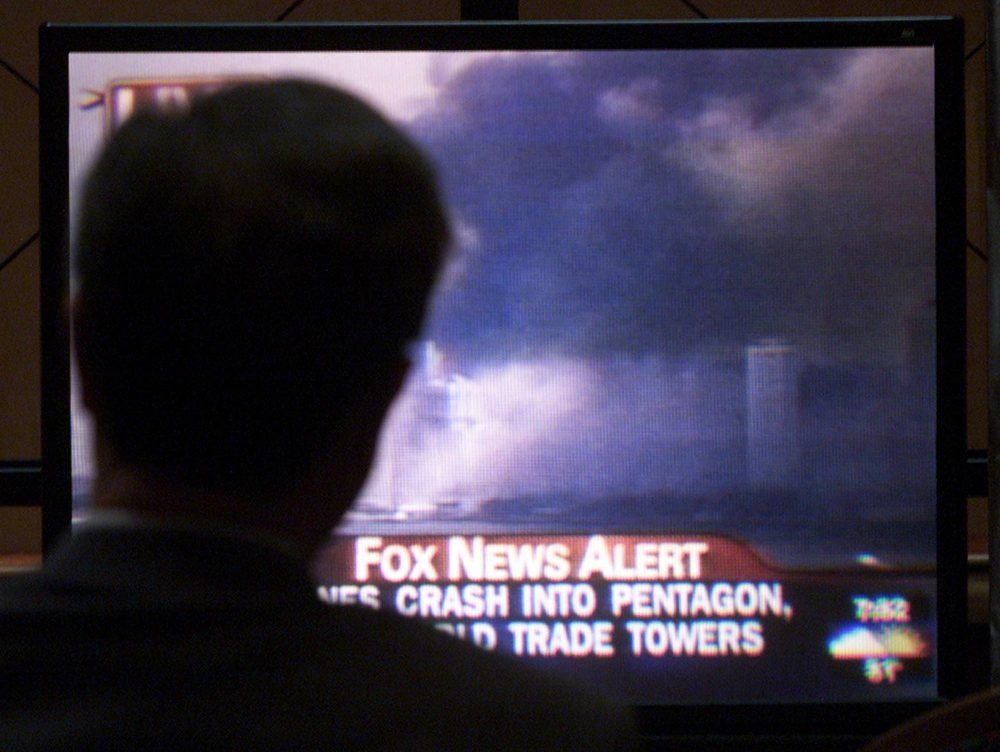
On the morning of September 11, 2001, Canadian newsrooms transformed into emergency response centers as journalists confronted the unimaginable. The attacks that day not only changed global politics and security protocols but also fundamentally altered how Canadian media covered breaking news of national significance. As the 25th anniversary approaches, veteran reporters and anchors who were on the frontlines of that coverage share their most vivid memories, professional struggles, and how the experience reshaped their approach to journalism.
The scramble to Ground Zero
For Toronto Star crime reporter Michelle Shephard, the day began like any other until news broke of the first plane hitting the World Trade Center. Without hesitation, she grabbed only her passport and notebook before rushing to Pearson Airport, where the surreal reality set in - all flights were grounded and airport televisions had been switched off to prevent panic. Shephard and her colleagues made the split-second decision to drive to New York, embarking on what she called a "crazy fast" journey south. In the chaos of those early hours, her laminated Toronto Star press pass, which she joked "looked like it was made in someone's basement," somehow convinced officials to grant them access to lanes reserved for emergency responders.
Arriving in Manhattan that night, Shephard encountered a city frozen in shock. The first image that stopped her was a firefighter slumped on the ground, physically and emotionally spent from hours digging through the smoldering rubble. The landscape was surreal - papers from destroyed offices had fallen like snow, creating mounds she initially mistook for banks of snow. Everywhere, missing persons posters with thousands of photographs stared back from walls and lampposts. "It was an entire city that was traumatized," Shephard recalled in a recent interview. The sensory memories remain vivid: the repulsive metallic smell in the air, the taste of dust, and the eerie quiet punctuated by sirens. For three straight days, she wore the same clothes, washing off thick dust each night in a hotel sink and using a hair dryer to prepare them for another day of reporting.
Journalism under extreme duress
The 9/11 attacks demanded extraordinary efforts from journalists who suddenly found themselves documenting history while grappling with scarce verifiable facts and a world gripped by fear. Shephard's personal life evaporated in those first hours - her husband, fellow Star reporter Jim Rankin, had simultaneously rushed to Boston to track the hijacked flights' origins, leaving their new kitten unattended in the chaos. Back in Toronto, editors faced agonizing decisions about how to present the unfolding horror, with Shephard recalling early pressure to publish emotionally charged photos like grieving widows that would now be considered ethically questionable. "The journalism industry has since become more mindful of retraumatizing sources," she noted, reflecting on how standards have evolved.
The emotional toll accumulated quickly for journalists operating in crisis mode. Shephard broke down after a Red Cross official posed a simple question that no one had considered: "Who's looking after the reporters?" The weight of what she'd witnessed surfaced in quiet moments. "I remember that when I would put my head down, I would be teary about all that I had seen," she said. Ironically, Shephard believes some journalists who remained in newsrooms reviewing endless footage of people jumping from the towers may have suffered worse psychological trauma than those reporting from the ground. The experience shaped her subsequent work, including her book "Decade of Fear" about national security post-9/11, and gave her early insight into the Islamophobia that would emerge.
A daughter's voice cuts through
For CBC anchor Peter Mansbridge, covering 9/11 would become the most intense professional challenge of his 50-year career. He was at his doctor's office when the first plane hit and spent the drive to CBC headquarters mentally preparing for what he knew would be a flood of rumors requiring rigorous fact-checking. "You're going to hear all kinds of things. There are going to be all kinds of rumours. You have to deal with fact," he recalled telling himself. What followed was 44 consecutive hours of wall-to-wall coverage, a marathon broadcast that would set new standards for Canadian crisis reporting.
Running on pure adrenaline, Mansbridge finally took his first real break around 4 a.m. on September 12. In his private dressing room, a voicemail from his daughter, then a university student in Winnipeg, was waiting. "I just want you to know that I'm watching you," she told her father. "And I love you." That simple message, Mansbridge said, finally made the catastrophe feel real after hours of studio detachment. "Sometimes, when you sit in the studio, it's almost like watching a movie," he reflected. "You're watching a monitor, and sometimes as real as you know it is, it doesn't feel real." His daughter's words became a touchstone, reminding him "how big the impact of this thing was for families literally around the world - wanting to reach out and connect with each other."
Lessons from imperfect coverage
Mansbridge takes professional pride in how the CBC handled their unprecedented marathon broadcast, particularly their restraint in avoiding speculative death tolls and limiting replays of the plane impacts that could traumatize viewers. The network relied heavily on experts to maintain factual rigor, though one memorable incident involved a "retired pilot" whose remarkably accurate explanations of cockpit operations later proved to be fabricated. The CBC apologized to viewers, and Mansbridge said the incident reinforced his belief in verification, especially during chaotic breaking news.
His chief regret mirrors one of Shephard's - their early failure to adequately cover the surge of Islamophobia following the attacks. "I'm not sure that enough of us in western journalism understood what was happening," Mansbridge admitted. Shephard had similarly found her early stories about anti-Muslim prejudice often buried inside papers until, as she put it, "the pendulum swung the other way." Both journalists now believe their initial failure to amplify these voices allowed harmful stereotypes and policies to take root in the post-9/11 era. Mansbridge credits journalists like Shephard who persisted in covering these stories despite initial lack of interest from editors.
Canadian Press in the chaos
At The Canadian Press headquarters in Toronto, editor-in-chief Scott White remembers the moment the newsroom fell completely silent as staff watched the second plane hit live on television. "It was a 'holy s, ' moment," White recalled. "You're seeing it happen, right in front of you, and it just changed everything." Reporters mobilized immediately, with several racing south by car amid fears the border would close. The news agency even paid the speeding ticket for one journalist who rushed through Pennsylvania in his urgency to reach New York.
Canadian Press journalists arriving at Ground Zero encountered a hellscape where the iconic towers were now a smoldering tangle of steel. They documented rescue workers shoveling knee-deep ash and witnessed the heartbreaking moment when teams initially cheered at recovering bodies they mistakenly believed were survivors. White remembers one especially frightening moment when a panicked reporter phoned about a rumored incoming plane - later confirmed as a hoax - that sent her fleeing for safety. "That was the first time I remember worrying that something was going to happen to one of our reporters," he said. Amid the chaos, CP photographer Andrew Vaughan captured one of the era's most enduring images: Rachel Uchitel desperately seeking information about her missing fiancé, a photo that came to symbolize the human toll of the attacks.
The evolution of crisis reporting
The 9/11 coverage pioneered techniques that have since become standard in breaking news situations. Mansbridge's 44-hour marathon broadcast established new norms for continuous coverage during national emergencies, while Shephard's ground reporting demonstrated the importance of maintaining humanity amid chaos. News organizations developed better protocols for verifying information during fast-moving events and became more mindful of how graphic imagery affects both audiences and journalists. The Canadian Press's rapid deployment of reporters across borders also influenced how outlets now mobilize teams for major international stories.
Why these reflections matter
These candid accounts reveal how 9/11 became a professional and personal crucible for Canadian journalists, forcing them to balance objective reporting with human vulnerability. Their experiences exposed both the strengths and limitations of Canadian newsrooms under extreme duress. The coverage set important precedents for how major crises are reported, while the journalists' willingness to acknowledge shortcomings - particularly around Islamophobia - offers crucial lessons for contemporary reporting on marginalized communities during national emergencies.
Perhaps most importantly, these reflections demonstrate that while journalism chronicles history, its practitioners remain deeply human - marked by the stories they tell and transformed by how those stories change them. As Shephard noted, the attacks created "a decade of fear" that reshaped national security, international relations, and the very practice of journalism itself. Twenty-five years later, these Canadian journalists' stories remind us that amid the rush to document history, we must never lose sight of the human dimensions - both in the stories we tell and the people who tell them.