Spider-Man: Brand New Day Tops Box Office for Sixth Straight Week as Hollywood Sees Bumper Summer
Sony's latest Spider-Man film continues its box office dominance while helping drive Hollywood to near-record summer revenues despite fewer admissions than pre-pandemic levels.
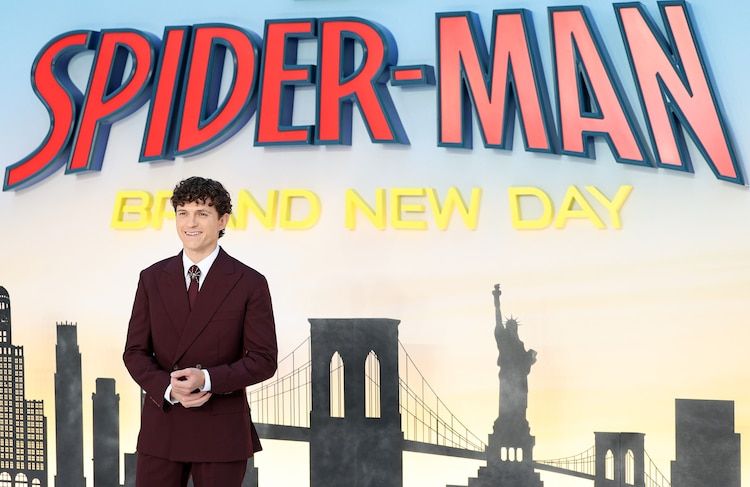
Spider-Man: Brand New Day has achieved a remarkable box office milestone, becoming only the second film this decade to top North American charts for six consecutive weeks. The Sony Pictures release joins 2022's Avatar: The Way of Water in this elite category, demonstrating the enduring power of theatrical tentpole releases even in an era of streaming dominance.
A Superhero's Unshakable Grip
Tom Holland's fourth standalone outing as the web-slinger added $18 million over the three-day Labor Day weekend frame, with Sony projecting $23.3 million including holiday Monday. The film's global total now stands at an astonishing $2.4 billion since its late July debut. This sustained performance defies typical blockbuster patterns where most major releases experience sharp second-week declines.
The film's longevity reflects both the strength of the Spider-Man franchise and strategic summer scheduling that avoided direct competition from other superhero properties. Industry analysts note the movie's consistent performance across multiple demographics, appealing to both younger audiences and longtime fans of the character. The six-week reign at number one marks the longest continuous box office dominance since the pandemic began, signaling a return to pre-2020 theatrical patterns for certain franchise films.
Historical Counterprogramming Succeeds
Universal Pictures' The Odyssey maintained its position as the season's most successful alternative to superhero fare, finishing second with $13 million domestically. Christopher Nolan's three-hour historical epic has now surpassed $1.63 billion worldwide, with international markets contributing over $1 billion - making it the first film since 2009's Avatar to reach that overseas milestone.
The simultaneous success of these two very different blockbusters suggests audiences remain eager for both familiar franchise entertainment and ambitious original filmmaking when presented with compelling execution and strong word-of-mouth. The Odyssey's performance particularly stands out as a non-franchise, non-IP project achieving blockbuster status in an increasingly franchise-driven market.
Summer By The Numbers
Through August 31, the domestic box office reached $4.6 billion according to Rentrak data, representing a 26.1% increase over 2025 figures. When including Labor Day weekend projections, analysts expect the 2026 summer season to finish with approximately $4.759 billion across 130 days - narrowly surpassing 2013's record $4.758 billion total achieved in just 123 days.
These impressive revenue figures mask an important caveat: accounting for inflation and higher average ticket prices, actual admissions remain below pre-pandemic levels. The industry still faces challenges in rebuilding habitual moviegoing frequency among certain demographics, particularly older audiences who have been slower to return to theaters. The extended summer calendar this year, spanning seven more days than 2013's season, also contributed to the near-record total.
Labor Day Lull With Bright Spots
The traditionally quiet Labor Day weekend saw limited impact from new releases. Paramount's 1960s-set civil rights thriller By Any Means, starring Mark Wahlberg and Yahya Abdul-Mateen II, debuted to $7.4 million ($9.2 million projected including Monday). While receiving a respectable B+ CinemaScore, its performance suggests historical action dramas may face challenges breaking out in the current market.
A24's action film Onslaught struggled significantly with just $1.9 million from 1,918 screens, one of the season's more notable disappointments. The $15 million production about a sniper defending her home from experimental soldiers earned a mediocre C CinemaScore and mixed reviews, hampering its potential despite the studio's typically strong brand recognition among cinephiles. The film's poor performance contrasts with A24's usual success in finding audiences for niche genre fare.
Second Life For Discarded Project
One of the weekend's stronger performers was Coyote vs. Acme, the live-action/animated hybrid that Warner Bros. originally shelved before indie distributor Ketchup Entertainment acquired it for approximately $50 million. The film dropped just 29% in its second weekend to earn $11.3 million, bringing its domestic total to $33.8 million. Its performance demonstrates how quality family entertainment can find an audience even without major studio marketing muscle behind it.
The film's $70 million production cost and subsequent revival represents a rare case of a studio-abandoned project finding commercial success through alternative distribution. Strong reviews and positive word-of-mouth have propelled its performance, proving there remains substantial audience appetite for well-executed family films outside the major animation studios.
Low-Budget Breakout
The season's most unexpected success remains Buddy, the $3 million dark comedy that actually increased its box office by 5% in its second weekend to $5.7 million. The film's surreal premise about children trapped in a 1990s television show has resonated through strong word-of-mouth, with its two-week total reaching $14.3 million. This microbudget success shows there remains appetite for original, offbeat concepts when executed with distinctive vision.
Buddy's performance represents a nearly 5x return on its modest production budget in just two weeks, demonstrating how low-risk, high-reward projects can thrive alongside blockbusters. The film's unusual second-week growth pattern defies conventional box office wisdom and suggests unconventional marketing approaches can sometimes yield surprising results.
Industry At A Crossroads
This summer's performance represents a significant recovery for theatrical exhibition after years of pandemic disruptions, labor disputes, and streaming competition. While the extended calendar and higher ticket prices contributed to the near-record totals, the consistent performance across multiple genres suggests audiences are rediscovering the value of the communal cinema experience.
The season's success was driven by a diverse slate that included superhero films, historical epics, family animation, and original comedies - proving there's no single formula for box office success. However, the industry continues to grapple with how to balance streaming releases with theatrical exclusivity, particularly for mid-budget films that once formed the backbone of the business.
The Path Forward
The sustained success of Spider-Man: Brand New Day and the overall summer box office provide important lessons for an industry handling rapid change. While streaming services have permanently altered consumption patterns, theatrical exclusivity still drives cultural conversation and maximizes financial returns for major releases. The challenge for studios will be maintaining diverse slates that include both franchise tentpoles and original films capable of breaking out like Buddy.
As exhibition continues its recovery, this summer demonstrates that quality and variety remain the surest path to bringing audiences back to theaters. The simultaneous success of big-budget spectacles and small-scale originals suggests a healthy ecosystem where different types of films can thrive when given proper care and marketing support. With admissions still below pre-pandemic levels, the industry must now focus on rebuilding frequency among all demographic groups to sustain this recovery.
Additional Box Office Highlights
The horror sequel Insidious: Out of the Further continued its strong run with $6.5 million, demonstrating the consistent appeal of the franchise. Meanwhile, PAW Patrol: The Dino Movie maintained its hold on family audiences with $3.3 million, showing how animated properties can sustain interest well beyond their opening weekends.
These performances underscore how different genres and audience segments contribute to the overall health of the theatrical marketplace. While blockbusters dominate headlines, the industry relies on a steady stream of mid-range performers across various categories to maintain year-round business.