U.S. frozen berry recall over E. coli risk not affecting Canada, CFIA confirms
The Canadian Food Inspection Agency says frozen berries subject to a high-risk U.S. recall due to E. coli contamination were not distributed in Canada.
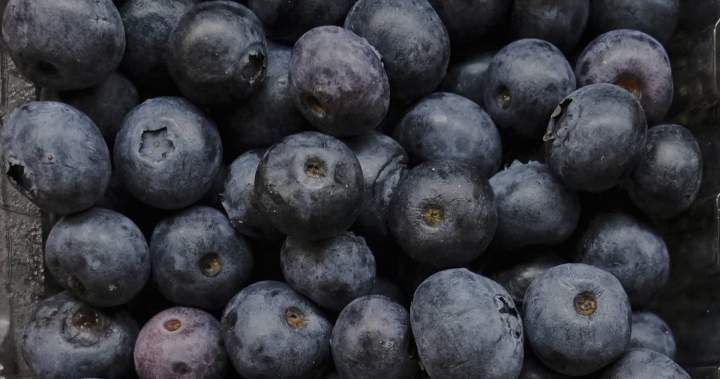
The Canadian Food Inspection Agency has confirmed that frozen berries subject to a major U.S. recall over E. coli contamination concerns were not distributed in Canada. This development comes as American health authorities escalate warnings about potentially dangerous organic frozen berries sold at southeastern grocery chains.
Recall details and affected products
The U.S. Food and Drug Administration designated the recall as Class 1, its most serious risk classification, indicating consumption of the affected products could lead to severe health consequences or death. The recall involves GreenWise Organic Whole Blueberries and GreenWise Organic Whole Mixed Berries, sold in 10-ounce and 48-ounce packages at Publix supermarkets. These products bear establishment number "P-458" inside the USDA mark of inspection.
Publix initially removed the products from shelves on July 29, with the FDA upgrading its warning this week after confirming bacterial contamination. The grocery chain had proactively implemented an internal stop-sale of these frozen berry products in late June, demonstrating early detection measures. The products remain unavailable across all affected regions.
Geographic spread and illness reports
According to the U.S. Centers for Disease Control and Prevention, 12 people across two states have contracted the outbreak strain of E. coli from the contaminated berries. While the specific states affected haven't been disclosed, the products were distributed across eight southeastern states: Alabama, Florida, Georgia, Kentucky, North Carolina, South Carolina, Tennessee and Virginia.
No deaths have been reported in connection with this outbreak, though E. coli infections can prove particularly dangerous for vulnerable populations. The CDC continues investigating to determine whether additional products or retailers might be involved.
Canadian monitoring and response
The CFIA told Global News it maintains active surveillance of cross-border food safety issues and is closely monitoring the U.S. outbreak investigation.
"Based on the information currently available, there is no indication that the products affected by this recall were distributed in Canada,"the agency stated. This confirmation helps Canadian consumers understand their relative risk regarding these specific products.
Publix operates exclusively in the southeastern United States with no Canadian locations, making cross-border distribution unlikely. The CFIA's statement reflects standard protocol when neighboring countries experience foodborne illness outbreaks, ensuring transparent communication about potential domestic impacts.
Understanding E. coli risks
Escherichia coli bacteria exist naturally in environments and intestines, but certain strains cause severe illness. Symptoms typically appear 3-4 days after exposure and include abdominal cramps, diarrhea (often bloody), vomiting and sometimes low-grade fever. While most healthy adults recover within a week, about 5-10% of cases develop hemolytic uremic syndrome, a life-threatening kidney complication.
The Class 1 designation indicates the FDA believes these products could cause serious health consequences. Though the specific E. coli strain hasn't been publicly identified, the classification suggests it may possess virulence factors like those found in notorious strains such as O157:H7.
Organic production and food safety
This recall involves organic products, which some consumers mistakenly assume carry lower contamination risks. Organic certification relates to farming practices prohibiting synthetic pesticides and fertilizers, not pathogen reduction standards. Both conventional and organic produce face similar contamination risks from factors like irrigation water quality, wildlife intrusion, and worker hygiene.
The recall highlights how food safety challenges persist across all agricultural production methods. Proper handling - including thoroughly washing fresh produce and following preparation instructions for frozen items - remains crucial regardless of farming practices.
Food irradiation debate
This incident renews discussion about food irradiation, a process that could eliminate pathogens like E. coli while preserving nutritional quality. The World Health Organization and numerous scientific bodies confirm irradiated foods are safe, nutritious, and effective for reducing foodborne illness. However, public misconceptions and regulatory hurdles have limited its adoption, particularly for fresh and organic products where consumer resistance remains strongest.
Regulatory systems comparison
The outbreak highlights differences between U.S. and Canadian food safety systems. While both maintain rigorous standards, their recall classification and notification processes vary. Canada's CFIA issues public alerts for all recalls, whereas the U.S. employs a three-tiered system (Class I, II, III) based on health risk severity. Both systems rely on cooperation between regulators and industry to quickly remove hazardous products from the market.
Broader food safety implications
Frozen fruits generally pose lower risk than fresh produce because freezing halts bacterial growth, though pathogens can survive in frozen states. This outbreak follows patterns seen in previous incidents where contaminated irrigation water or processing equipment introduced pathogens into the food supply. The 2018 E. coli outbreak linked to romaine lettuce, which affected both U.S. and Canadian consumers, demonstrated how widespread such contamination events can become.
Consumer guidance and next steps
While Canadians face no immediate risk from these specific products, the recall serves as an important reminder about food safety vigilance. Consumers should always practice proper food handling, monitor recall notices, and report suspected foodborne illness to health authorities. The CFIA's prompt communication about this U.S. outbreak demonstrates effective cross-border surveillance that helps protect Canadian consumers from potential threats in our interconnected food system.
For American consumers, the FDA and CDC continue investigating the outbreak's scope. Publix's early action to remove potentially contaminated products reflects growing industry recognition that proactive food safety measures benefit both public health and corporate reputation. As investigations continue, regulators may implement additional controls to prevent similar outbreaks in future production cycles.
Irrigation water safety concerns
The recall raises questions about agricultural water sources and their potential role in contamination. Some comments on the issue pointed to the use of sewer water for irrigation in California lettuce production, suggesting similar risks could exist across different crops. While the specific contamination source in this berry recall hasn't been identified, irrigation water quality remains a critical factor in produce safety.
Policy debates around food regulation
This incident has sparked discussions about food safety regulations, with some commentators criticizing proposals to reduce oversight. While the specific political context wasn't detailed in official announcements, the recall demonstrates how regulatory systems help identify and contain foodborne illness threats before they reach more consumers.