Health Concerns Mount for Belugas Transferred from Marineland to Chicago Aquarium Amid Deaths
Shedd Aquarium reports health issues in beluga whales relocated from Ontario's now-closed Marineland, with two deaths already confirmed. The facility is conducting intensive monitoring as investigators await lab results to determine causes.
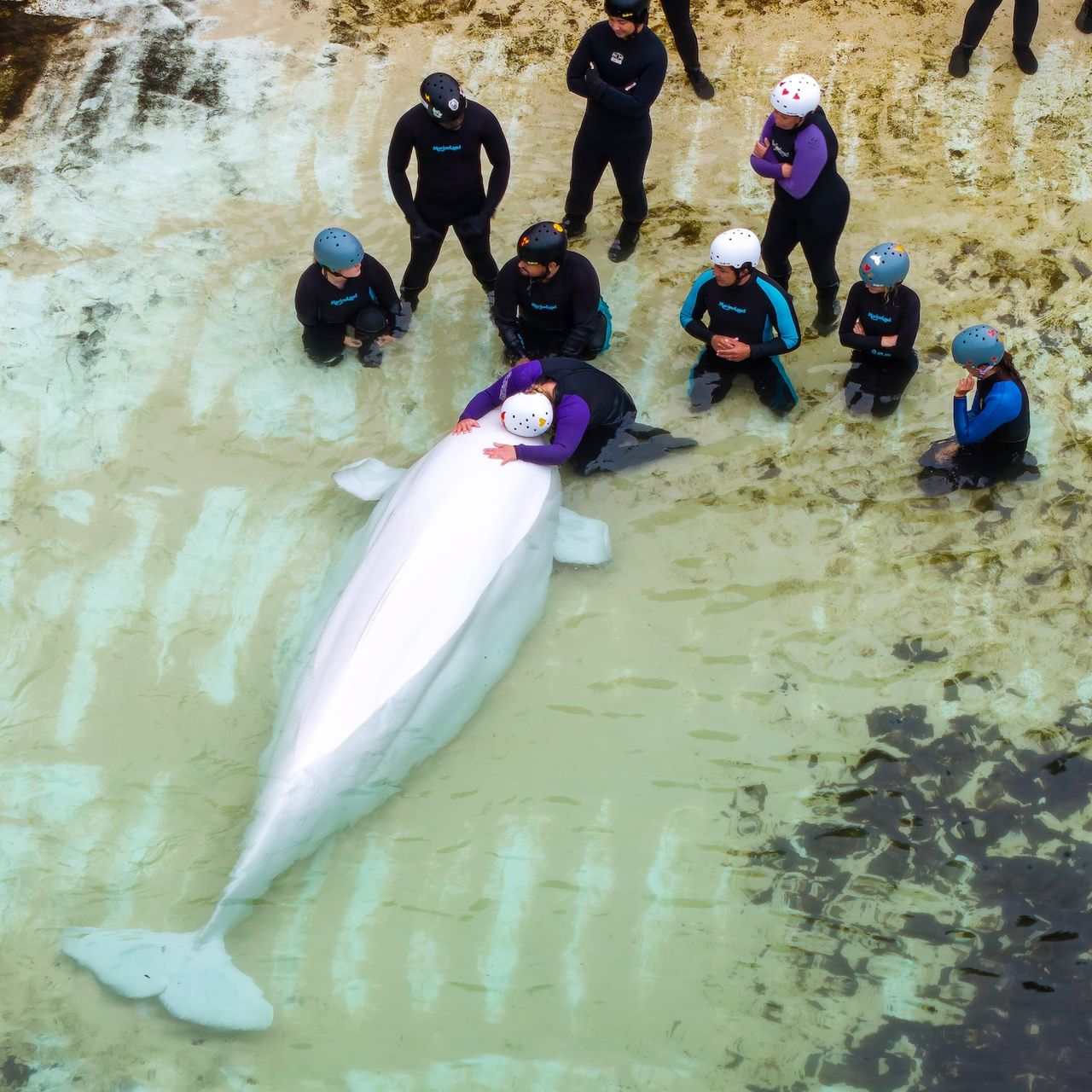
Belugas in Critical Condition After Historic Transfer
Chicago's Shedd Aquarium has revealed alarming health complications among beluga whales transferred from Ontario's financially troubled Marineland facility. In a detailed Friday statement, aquarium officials described implementing round-the-clock veterinary supervision to track the whales' vital signs and behaviors. Teams are specifically monitoring hydration levels, breathing rates, swim patterns, and social interactions - all crucial indicators of marine mammal health.
The intensive care follows the deaths of two Marineland-sourced belugas within a seven-day period, casting doubt on the success of what was promoted as a rescue operation. Shedd Aquarium acknowledged the precarious situation, stating
"Some of the rescued belugas are showing more encouraging signs than others, but several have presented clinical concerns."The facility emphasized the volatility of the animals' conditions, noting symptoms can fluctuate dramatically within hours.
Nutritional Challenges Compound Health Risks
A primary concern involves the belugas' feeding patterns, as these Arctic whales obtain nearly all their hydration through consuming fish. While some transferred whales maintain regular eating habits, others have refused food - creating dangerous hydration deficits.
"None of the belugas are where we want them to be from a health standpoint,"admitted Shedd staff, highlighting the widespread nature of the health challenges.
This nutritional instability adds another layer of complexity to an already delicate situation. Marine biologists recognize that captive belugas often develop specific feeding routines that can be disrupted by environmental changes. The transfer from Marineland's facilities to Chicago's different water conditions, social structures, and caretaker relationships appears to have triggered significant stress responses.
Tragic Deaths During Unprecedented Transfer
The health crisis follows the August 25 death of Peekachu, a beluga that survived just fourteen days after relocation from Marineland. Another casualty was Rain, a 20-year-old beluga transferred in mid-August, along with a 34-year-old beluga that had been a Shedd resident for decades. These deaths occurred amid the largest collective transfer of captive whales in history - a complex operation moving 30 belugas and four dolphins to five aquariums across the United States and Spain over several weeks.
All animals involved in the transfer had received veterinary clearance from Canadian authorities prior to transport, with Fisheries Minister Joanne Thompson personally approving the relocations. The transfers marked the end of whale captivity in Canada following Marineland's financial collapse. The Niagara Falls park had previously warned it might euthanize its marine mammals if denied permission for international transfers, including a blocked proposal to send whales to Chinese facilities.
Pattern of Relocation Complications
Historical data reveals this isn't the first time Marineland whales have suffered after relocation. In 2021, five belugas transferred to Connecticut's Mystic Aquarium met similar fates - two dying within twelve months and a third perishing after two years. While Mystic attributed these deaths to pre-existing conditions, Marineland maintained the whales were healthy when they departed Ontario.
Between 2019 and 2025, Marineland recorded 21 marine mammal deaths - including 19 belugas, one killer whale, and one dolphin. These casualties occurred while the park remained operational, raising persistent questions about animal care standards at the facility. The current situation at Shedd Aquarium suggests that even with veterinary oversight, the physical and psychological stress of relocation may prove overwhelming for captive marine mammals.
Ongoing Investigations and Monitoring
Shedd Aquarium's veterinary teams continue their intensive monitoring regimen while awaiting crucial laboratory results that may explain the recent deaths. Staff are tracking subtle behavioral changes that could signal either improvement or further decline. The aquarium has committed to transparency, promising updates as new information becomes available.
The situation presents significant challenges for marine mammal specialists. Beluga whales are highly social creatures that form complex relationships, and the disruption of these bonds during transfer may contribute to health deterioration. Additionally, older whales like the deceased 34-year-old beluga face increased vulnerability to environmental changes.
Ethical and Regulatory Implications
These events have reignited debates about marine mammal captivity and interstate transfer protocols. While Canadian authorities approved the relocations as preferable to euthanasia or foreign sale, the mortality rate suggests standard health assessments may not adequately account for relocation stress factors.
Animal welfare organizations are likely to scrutinize whether pre-transfer examinations sufficiently evaluated the whales' capacity to withstand transportation trauma and habitat adaptation. The deaths also raise questions about whether captive marine mammals, particularly older specimens, can safely endure such dramatic environmental shifts.
Broader Context of Marine Mammal Captivity
This unfolding situation extends beyond individual animal welfare concerns - it highlights systemic issues in managing captive marine populations when facilities face financial collapse. The Marineland case demonstrates how economic instability at private aquariums creates complex dilemmas, where relocation presents severe risks but closure offers few alternatives.
As Canada phases out whale exhibition entirely, these deaths underscore the complicated legacy of marine mammal captivity. They may prompt reevaluation of international transfer standards, especially for animals with lengthy captivity histories. The incident also raises questions about the long-term viability of maintaining beluga populations in artificial environments, particularly as public opinion shifts toward more conservation-oriented approaches to marine life.
The Shedd Aquarium case serves as a sobering reminder of the delicate balance between rescue operations and animal wellbeing during transitional periods. It highlights the need for more comprehensive protocols that address not just physical health, but also the psychological and social needs of highly intelligent marine mammals during stressful relocation processes.