Brampton Gas Leak Forces Evacuations After Contractor Damages Line
A gas leak in Brampton's Madoc neighbourhood prompted evacuations after a contractor reportedly struck a gas line during backyard work. Emergency crews contained the hazard with no injuries reported while investigations into the incident continue.
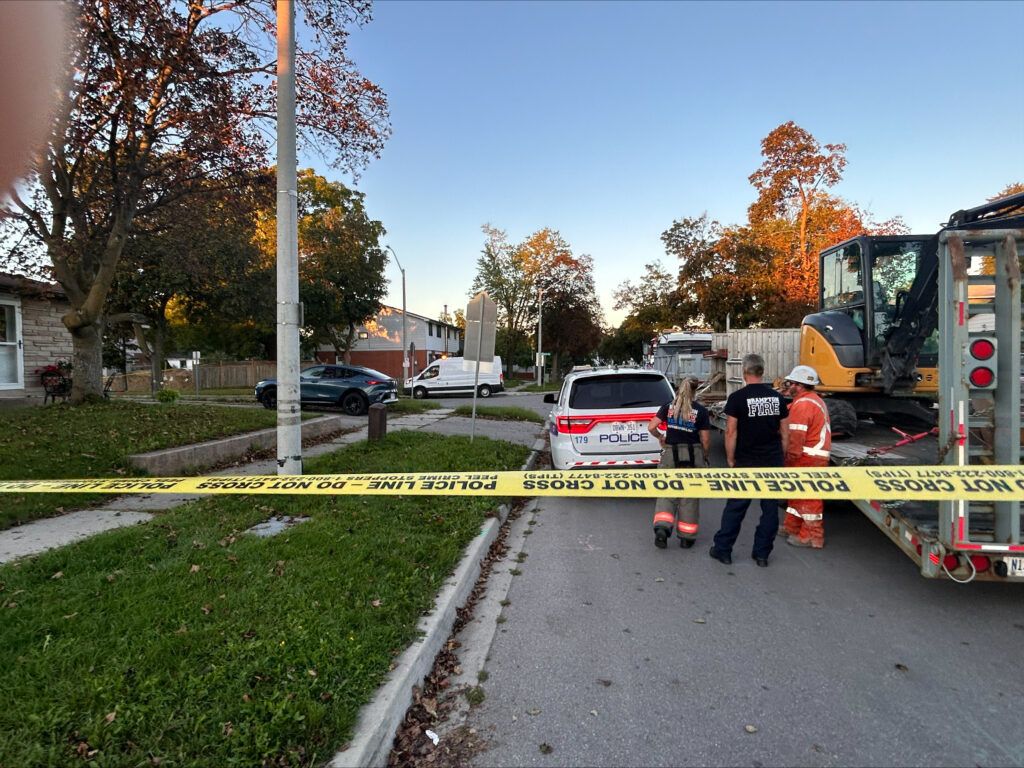
A significant gas leak in Brampton's Madoc area led to the evacuation of an entire residential street on Sunday evening, disrupting the quiet suburban neighborhood. The incident occurred when a contractor performing backyard work accidentally struck an underground gas line near Seaborn and Bingham Roads, releasing hazardous natural gas into the surrounding area. Brampton Fire Services and Enbridge Gas technicians responded within minutes to secure the scene, preventing any injuries despite the substantial danger posed by the escaping gas.
Emergency Response and Evacuation
The gas leak was reported just before 5 p.m. on Sunday, triggering a swift emergency response. According to the property owner who spoke with CityNews, the contractor was conducting unspecified excavation or construction work in the backyard when their equipment allegedly damaged the gas line. The immediate evacuation order for all homes on the street reflects standard safety protocols for gas leaks, which can lead to explosions or health risks from gas inhalation. Fire crews established a safety perimeter while Enbridge technicians worked to isolate and repair the damaged line.
Utility Safety Regulations
The incident highlights critical gaps in utility safety procedures. Ontario law requires contractors and homeowners to contact Ontario One Call at least five business days before any digging project to locate and mark underground utilities. This free service is designed specifically to prevent infrastructure damage. The fact that the gas line was struck suggests either failure to use this service, inaccurate utility mapping, or human error during excavation. Such incidents can carry serious penalties under Ontario's Occupational Health and Safety Act and the Technical Standards and Safety Act.
Community Impact
While no physical injuries were reported, the evacuation caused significant disruption for residents forced to abruptly leave their homes on a summer evening. Such emergencies create psychological stress and logistical challenges for families, particularly those with children, elderly residents, or pets. The duration of the evacuation and any property damage caused by the incident remain unclear. Local officials will need to conduct air quality tests and safety inspections before residents can fully return to normal life in the affected area.
Investigation and Accountability
Authorities have launched an investigation that will examine multiple factors including whether proper safety protocols were followed, the contractor's qualifications, and the condition of the gas infrastructure. The investigation may take weeks as officials review work permits, interview witnesses, and assess the damage. Depending on findings, the contractor could face regulatory penalties, fines, or even criminal charges if negligence is proven. The property owner may also face liability depending on their role in hiring and supervising the contractor.
Regional Utility Safety Context
This incident reflects broader challenges in urban utility safety. According to industry reports, Ontario sees hundreds of utility strikes annually despite damage prevention programs. Aging infrastructure in older neighborhoods like Madoc presents particular risks, as gas lines may be shallower or in unexpected locations compared to modern installations. The Brampton case underscores how quickly routine construction work can become dangerous when underground utilities are involved.
Prevention and Public Education
Enbridge and other utility providers emphasize that nearly all such incidents are preventable through proper planning. Their public education campaigns stress that even minor projects like fence installation or landscaping require utility locates. The company recommends homeowners verify contractors have requested locates and understand underground risks before starting work. Some municipalities have implemented stricter permitting requirements for excavation work near utilities.
Infrastructure Challenges
As Canadian cities grow, underground utility networks become increasingly complex. The Brampton incident highlights tensions between urban development and infrastructure maintenance. Many municipalities struggle with outdated utility maps, while increased construction activity raises strike risks. Some experts advocate for improved mapping technologies and stricter enforcement of locate requirements to prevent future incidents.
Long-Term Implications
Beyond immediate repairs, this gas leak may prompt reviews of local utility safety practices. Community members will likely demand assurances about neighborhood safety and infrastructure reliability. The incident serves as a cautionary tale for homeowners undertaking renovations and contractors working near utilities. It also demonstrates the importance of robust emergency response systems for handling hazardous material incidents in residential areas.