U of T administrative and technical staff set for potential strike as classes resume
Over 6,100 University of Toronto workers could walk off the job Tuesday after 96% voted to authorize a strike over job security and workload issues, as bargaining continues through Labour Day weekend.
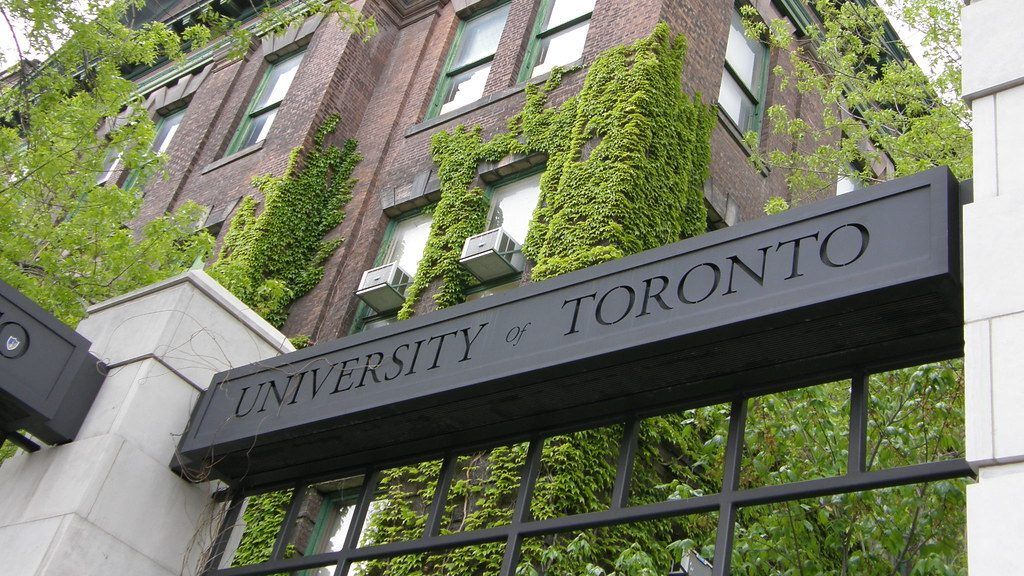
More than 6,100 administrative and technical staff at the University of Toronto will enter a legal strike position on Tuesday, coinciding with the critical first day of fall classes, as tense contract negotiations continue without resolution. Members of United Steelworkers Local 1998 delivered an overwhelming 96% strike mandate vote following two months of contentious bargaining that has failed to bridge substantial gaps on fundamental issues including job security provisions, remote work policies, and the growing institutional adoption of artificial intelligence technologies.
Core issues dividing labor and administration
The most contentious point in negotiations centers on the university's stated plan to achieve $20 million in annual savings through attrition - by deliberately not backfilling positions when employees leave. Union local president John Ankenman articulated the workforce's concerns in a statement, emphasizing that
"UofT says it will find $20 million in savings next year by not replacing employees who leave the university. That will worsen the heavy workload burden that many of our members already face."This austerity measure comes amid broader financial pressures facing Ontario's postsecondary institutions, but workers argue it threatens service quality and employee wellbeing.
While the university has not publicly detailed its specific proposals regarding AI implementation, its emergence as a bargaining issue reflects growing labor concerns about technological displacement and changing job requirements. The union represents an academically essential but often overlooked workforce spanning all three U of T campuses - including IT specialists maintaining critical infrastructure, academic advisors guiding student progress, program coordinators facilitating course delivery, and lab assistants supporting research activities.
Strike mechanics and ongoing negotiations
The powerful strike authorization provides the union with significant leverage at the bargaining table, though officials stress their preference remains reaching a negotiated settlement without disrupting the academic term. The union has clarified that
"a strike deadline only means that we are in a legal strike position; it does not mean that we are on strike"and has committed to continuing negotiations through the Labour Day weekend in search of common ground.
University administration has maintained a cautiously optimistic public stance, issuing a statement that it anticipates
"ongoing constructive discussions"with the union. However, the near-unanimous strike vote demonstrates remarkable workforce solidarity behind the union's position, suggesting administration may need to offer substantial concessions to avoid labor disruption.
Potential operational impacts across campuses
The timing of the labor dispute creates particular sensitivity as thousands of students return for the fall semester. While faculty members represented by separate unions would continue teaching, a strike by administrative and technical staff could significantly impair university functions. Critical services facing potential disruption include student academic advising, course registration systems, IT help desks, financial aid administration, and laboratory support operations.
The university has not publicly detailed contingency plans for maintaining operations during a potential strike, leaving students and parents uncertain about possible service reductions. Many first-year students arriving on campus would face particular challenges handling university systems without administrative support during this transitional period.
Broader sector-wide labor tensions
This confrontation reflects escalating labor tensions across Ontario's university sector as institutions grapple with provincial funding constraints, pandemic recovery costs, and technological transformation. Numerous universities have implemented hiring freezes, voluntary retirement packages, or other workforce reduction strategies in recent years, creating widespread concern among staff about job security and intensifying workloads.
The negotiations also highlight how technological change - particularly the disruptive potential of AI - is rapidly emerging as a central labor relations issue in education. Unions across multiple sectors are increasingly seeking contractual protections against automation-driven job displacement and safeguards against unsustainable workload increases resulting from reduced staffing complements.
Pathways to resolution
With the strike deadline looming, both parties face mounting pressure to find compromise solutions. The union has committed to providing members with regular bargaining updates throughout the holiday weekend as negotiations continue. Students and other university stakeholders are advised to monitor official communications for potential service advisories.
Should talks continue past Tuesday without agreement, the union would need to provide 72 hours' notice before commencing any actual job action, making Friday the earliest possible strike commencement date. However, the union retains flexibility to continue bargaining beyond the deadline if sufficient progress is being achieved at the negotiating table.
Significance for postsecondary labor relations
This labor dispute transcends a routine contract negotiation, representing a pivotal case study in how Canada's leading universities will handle post-pandemic financial realities while preserving educational quality. The outcome may establish important precedents for balancing institutional fiscal responsibility with workforce stability during technological transformation.
The extraordinarily high strike authorization vote demonstrates that university staff - often overlooked in labor discussions dominated by faculty concerns - are prepared to take decisive action to protect job quality amid automation anxieties. As AI adoption accelerates across industries, these negotiations may offer valuable insights into how labor organizations can secure meaningful protections against technological displacement while ensuring reasonable workloads and fair compensation structures.
Historical context of university labor relations
The current tensions follow years of gradual erosion in administrative staff working conditions at many Ontario universities. While faculty compensation often dominates public discussion, support staff have faced stagnating wages, benefit reductions, and increasing casualization of once-stable positions. The University of Toronto's proposed $20 million attrition-based savings plan represents an acceleration of these concerning trends from the labor perspective.
This labor action also occurs against the backdrop of significant changes to Ontario's labor laws and the provincial government's postsecondary funding formula, both of which have created additional financial pressures on universities while limiting traditional revenue streams. The union's strong stance suggests administrative staff are no longer willing to absorb the brunt of these systemic pressures through deteriorating working conditions.