U.S. Military Kills Four in Caribbean Drug Smuggling Strike as Campaign Intensifies
A U.S. military strike targeting an alleged drug smuggling boat in the Caribbean has killed four people, marking the latest in a controversial Trump administration campaign that has now claimed at least 231 lives across 69 operations.
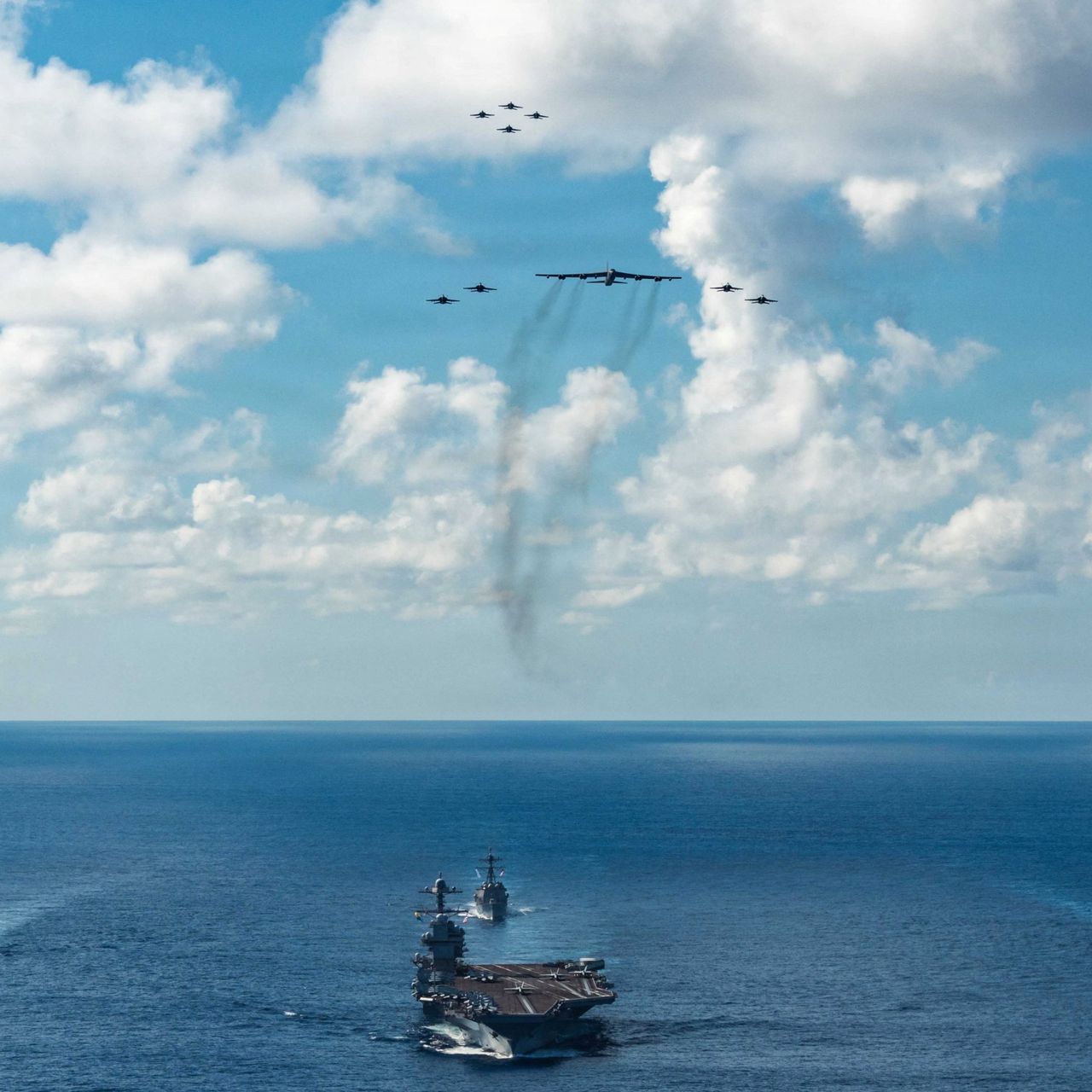
The U.S. military conducted a lethal strike on a vessel suspected of drug smuggling in the Caribbean Sea on Saturday, killing four individuals according to an announcement from U.S. Southern Command. This operation represents the latest escalation in an aggressive monthslong campaign by the Trump administration targeting alleged narcotics traffickers throughout Latin America, an approach that has drawn increasing scrutiny from human rights organizations and foreign policy experts.
Escalating Military Campaign Against Trafficking
This latest maritime strike brings the documented death toll to at least 231 people across 69 separate operations since the Trump administration initiated its offensive against what it terms "narcoterrorists" nearly one year ago. Following the pattern of previous strikes in the eastern Pacific Ocean and Caribbean region, military officials stated they targeted the vessel along established smuggling corridors. However, authorities provided no verifiable evidence that the boat was actually transporting illicit substances at the time of the attack.
The military released limited documentation of the operation, with a brief video posted on social media platform X showing only an indistinct image of a moving boat followed by a sudden flash. The lack of detailed visual evidence or operational specifics has become characteristic of these strikes, leaving independent verification of targets and outcomes nearly impossible.
READ MORE: Two hospitalized after T-bone collision near Yorkdale Mall
READ MORE: Trump announces U.S.-Denmark deal to expand military presence in Greenland
Expanding Operations Across Latin America
The Trump administration is actively negotiating agreements with allied governments to extend its anti-trafficking operations beyond maritime interdiction to include land-based military actions across multiple Latin American nations. Defense Secretary Pete Hegseth revealed during a recent diplomatic visit to Panama that Colombia, Guatemala, and Honduras had tentatively agreed to permit joint U.S. military operations against criminal organizations operating within their sovereign territories.
This announcement immediately generated controversy when Guatemalan officials publicly denied reaching any such agreement, casting doubt on the administration's claims of regional cooperation. Ecuador represents the only confirmed partner nation, having initiated collaborative counternarcotics missions with U.S. forces in March of this year.
Administration's Justification for Military Escalation
President Donald Trump has framed these operations as part of an ongoing "armed conflict" against Latin American drug cartels, frequently citing the need to combat narcotics flowing into the United States and reduce domestic overdose deaths. During recent public remarks, Trump declared "We are at war with these cartels" while defending the strikes as necessary measures to protect American lives. However, administration officials have produced minimal evidence demonstrating that those killed were verifiably engaged in drug trafficking or that the operations have meaningfully disrupted narcotics supply chains.
This evidentiary gap has fueled criticism from legal experts and human rights advocates who question both the legality and efficacy of the campaign. The administration's reliance on military force rather than intelligence-led policing or diplomatic solutions has drawn particular concern from regional analysts.
Growing Controversy and Operational Secrecy
The expanding military campaign faces mounting criticism as the civilian death toll rises and fundamental questions remain unanswered about its legal authorization and operational protocols. Human rights organizations have intensified calls for congressional oversight and accountability mechanisms, particularly regarding the criteria for target selection and measures taken to prevent civilian casualties.
The lack of transparency surrounding these operations has become a focal point for critics. Without independent verification of targets or public disclosure of operational rules of engagement, assessing compliance with international humanitarian law remains impossible. Legal scholars note this secrecy conflicts with established norms for military operations, even those targeting non-state actors.
Historical Context of U.S. Drug Policy
These strikes represent a significant tactical escalation in U.S. drug interdiction efforts, marking a strategic shift from supporting local law enforcement to direct military engagement against suspected traffickers. This approach revives controversial elements of the decades-long War on Drugs, which numerous studies have shown failed to meaningfully reduce drug availability while contributing to regional instability and violence throughout Latin America.
Policy analysts note that the current strategy risks repeating historical mistakes by prioritizing military solutions over addressing the complex socioeconomic factors driving drug production and trafficking. The lack of accompanying development programs or alternative livelihood initiatives for vulnerable communities has drawn particular criticism from regional experts who argue it represents a continuation of failed prohibitionist policies.
Legal and Diplomatic Implications
The campaign raises significant questions about international law and the extraterritorial use of military force against non-state actors. Legal scholars debate whether these strikes comply with international humanitarian law principles of distinction and proportionality, particularly given the lack of public evidence regarding target verification processes.
Diplomatically, the operations risk straining relationships with regional partners, as illustrated by Guatemala's public rejection of the Pentagon's claims regarding operational agreements. Some foreign policy experts warn that unilateral military actions could undermine cooperation on broader security and migration issues. The apparent lack of consistent regional support for the operations suggests potential overreach in the administration's approach to hemispheric security cooperation.
Impact on Regional Security Dynamics
The military strikes are occurring against a backdrop of shifting security alliances in Latin America. While some governments may privately welcome U.S. assistance against powerful cartels, public opposition to foreign military operations remains strong across the region. This tension creates complex challenges for bilateral relations and may complicate future security partnerships.
The strategy also risks unintended consequences, including potential retaliation against local communities or the fragmentation of criminal organizations into more violent factions. Security analysts caution that without comprehensive regional coordination, military strikes alone may simply displace trafficking routes rather than dismantle networks.
Why This Military Strategy Matters
The expanding U.S. military campaign against alleged drug traffickers establishes a concerning precedent for the extraterritorial application of lethal force with minimal transparency or oversight. As civilian casualties accumulate and partner nations express reservations, the strategy may ultimately weaken regional security cooperation while proving ineffective at disrupting sophisticated transnational drug networks.
The absence of verifiable metrics for success, combined with the lack of independent oversight mechanisms, creates significant accountability gaps in an operation that has already claimed hundreds of lives. Without clear evidence of operational effectiveness and appropriate safeguards against abuse, these strikes risk compounding the human and political costs of previous failed drug war policies while potentially exacerbating the very instability they purport to address.
As the campaign continues to expand geographically and operationally, fundamental questions remain about its long-term viability as a counternarcotics strategy and its compatibility with international legal norms governing the use of force. The administration's resistance to external scrutiny and evaluation suggests these concerns are unlikely to be addressed without congressional intervention or international pressure.