U.S. Denies Visas to Palestinian Delegation for UN General Assembly for Second Consecutive Year
For the second straight year, the Trump administration has barred Palestinian officials including President Mahmoud Abbas from attending the UN General Assembly, citing their continued legal actions against Israel and payments to prisoners' families as violations of peace commitments.
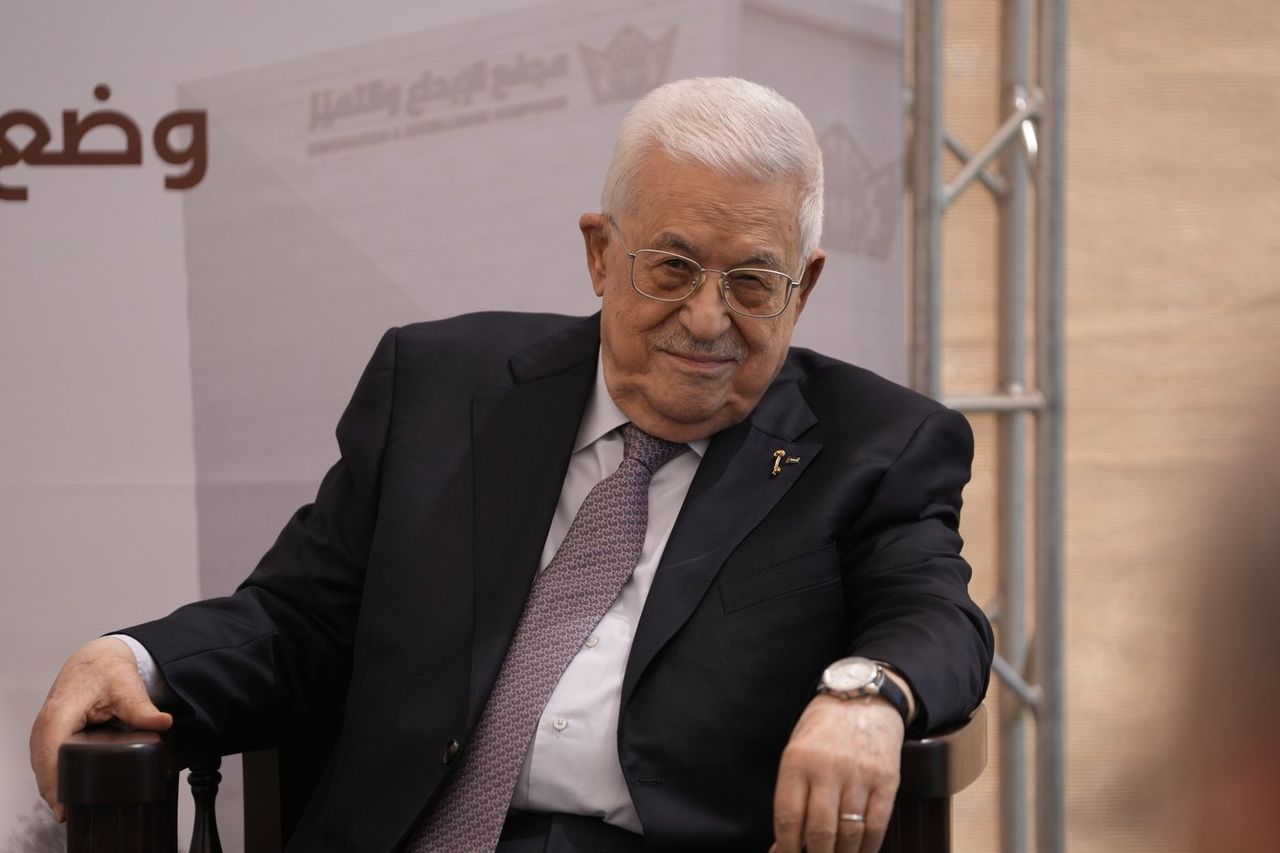
The Trump administration has reaffirmed its hardline stance toward Palestinian leadership by refusing entry visas to a high-level Palestinian delegation for the second consecutive year, effectively preventing their physical attendance at the upcoming United Nations General Assembly meeting in New York. The State Department's Wednesday announcement cited the Palestinian Authority's persistent failure to meet commitments under previous peace agreements with Israel as the primary justification for the decision. This move continues a pattern of diplomatic pressure that has characterized U.S.-Palestinian relations in recent years.
Detailed Rationale Behind Visa Denials
According to the State Department's official statement, Palestinian officials including President Mahmoud Abbas were denied visas because the Palestinian Authority continues what the U.S. views as counterproductive actions. These include pursuing legal proceedings against Israel at international judicial bodies such as the International Court of Justice and the International Criminal Court. The State Department specifically highlighted these legal challenges as undermining direct negotiations between the parties. Additionally, the department criticized the Palestinian Authority's policy of providing financial stipends to families of Palestinians imprisoned for attacks against Israelis, characterizing these payments as incentivizing violence and contradicting peace commitments.
The State Department's position was clearly articulated in its declaration:
"As a consequence of their failure to reform, contrary to their commitments to the United States, and their ongoing activities that undermine the prospects for peace, the United States will extend sanctions that deny visas to PLO members and PA officials"in compliance with existing U.S. legislation. This statement references previous agreements where Palestinian leaders allegedly committed to ending such practices as part of peace process understandings.
Broader Diplomatic Context
This visa decision represents the latest manifestation of the Trump administration's unequivocal alignment with Israel's security and political positions. The timing is significant, coming as Israel faces mounting international criticism over its military operations in Gaza following the October 2023 Hamas attacks. While a fragile U.S.-mediated ceasefire has nominally been in effect since last October, Israeli military actions have persisted in Palestinian territories, maintaining regional tensions and complicating diplomatic efforts.
The visa restrictions align with the Trump administration's broader campaign against the International Criminal Court, which it accuses of unjustly targeting U.S. and Israeli military personnel for alleged wartime conduct in Afghanistan, Iraq, and Gaza. Neither nation recognizes the ICC's jurisdiction, reflecting their shared skepticism of international judicial oversight in security matters. This parallel campaign against international judicial institutions provides important context for understanding the administration's approach to Palestinian legal actions.
Operational Consequences
Despite these entry restrictions, Palestinian diplomatic representation at the UN will continue through officials already accredited to the international body. Last year's precedent saw President Abbas deliver his General Assembly address remotely via video link after being denied U.S. entry, a workaround likely to be repeated this session. This contingency plan allows Palestinian voices to be heard at the UN while acknowledging the practical limitations imposed by U.S. visa policies.
This development marks another deterioration point in U.S.-Palestinian relations under the Trump administration, which has implemented numerous policies perceived as favoring Israeli positions. These include the controversial recognition of Jerusalem as Israel's capital and the subsequent relocation of the U.S. embassy there, decisions that ruptured traditional U.S. mediation approaches to the conflict. The visa denials reinforce this pattern of policy shifts that have dramatically altered America's historical role in the peace process.
Strategic Implications
The visa denials occur against a backdrop of persistent regional instability. Despite nominal ceasefire agreements, ongoing Israeli military operations in Palestinian territories continue to generate international concern. The Trump administration's consistent support for Israel contrasts sharply with its confrontational posture toward Palestinian leadership, exemplified by this visa decision. This approach reflects a strategic calculation that pressure on Palestinian authorities will yield concessions in future negotiations.
These restrictions demonstrate the administration's willingness to employ various diplomatic and bureaucratic tools to pressure Palestinian authorities on multiple fronts. Beyond the immediate peace process negotiations, the U.S. appears determined to limit Palestinian efforts to pursue their claims through international legal channels, viewing such actions as undermining bilateral solutions. The visa policy serves as both a punitive measure and a deterrent against future international legal actions.
Historical Context of U.S.-Palestinian Relations
The current visa restrictions represent a significant departure from decades of U.S. diplomatic practice regarding Palestinian participation in UN activities. Historically, American administrations have facilitated Palestinian engagement in international forums even during periods of tension. This shift underscores the Trump administration's willingness to break with established diplomatic norms in pursuit of its policy objectives. The consistency of this approach over two consecutive years suggests it has become institutionalized rather than being a temporary measure.
The policy also reflects broader changes in America's Middle East strategy, where traditional mediation roles have given way to more overt alignment with Israeli positions. This realignment has created space for other international actors to play larger roles in Middle East diplomacy, potentially reshaping the geopolitical landscape of the conflict. The visa denials serve as both a symbolic and practical manifestation of this strategic reorientation.
Palestinian Perspective and Potential Responses
While Palestinian authorities have not yet issued an official reaction to this year's visa denials, last year's comparable decision prompted strong objections. Palestinian officials previously characterized such measures as attempts to marginalize their voice within the United Nations framework and constrain their diplomatic options. The repetition of the policy will likely reinforce Palestinian perceptions of U.S. bias and may harden positions regarding future negotiations.
The repetition of visa restrictions suggests the U.S. intends to maintain this pressure tactic as standard policy toward Palestinian leadership under current conditions. This approach appears contingent on Palestinian authorities continuing their present policies regarding Israel, particularly their utilization of international legal mechanisms and maintenance of the prisoner stipend system. The durability of this policy may depend on the outcome of upcoming U.S. elections and potential changes in administration.
Long-Term Diplomatic Significance
The recurring pattern of visa denials underscores the profound transformation in U.S.-Palestinian relations during the Trump administration, marking a departure from traditional American mediation roles. By preventing Palestinian leaders from personally attending UN proceedings, the U.S. sends an unambiguous message about the consequences of pursuing strategies it deems detrimental to peace efforts. This approach has fundamentally altered the dynamics of international engagement with the Israeli-Palestinian conflict.
This development also highlights the administration's strategic use of America's unique position as UN host nation to advance specific foreign policy objectives. Such actions establish precedents that may influence how future administrations employ similar diplomatic leverage in international disputes. The long-term consequences could include reduced Palestinian engagement with U.S.-led initiatives and increased reliance on alternative international partners.
Ultimately, this visa decision exemplifies the Trump administration's distinctive approach to international institutions and multilateral diplomacy, where bilateral relationships and transactional considerations frequently outweigh traditional multilateral engagement norms. The policy reinforces the administration's broader pattern of utilizing diplomatic and economic pressure as primary instruments in its Middle East strategy, while demonstrating continued willingness to break from conventional diplomatic practices regarding the Israeli-Palestinian conflict. These actions will likely shape the conflict's diplomatic landscape well beyond the current administration's tenure.