Power outage disrupts Line 2 subway service in Toronto during afternoon rush
A 25-minute power outage caused significant service disruptions on the TTC's Bloor-Danforth line between Woodbine and Broadview stations during Wednesday's afternoon commute, highlighting vulnerabilities in Toronto's aging transit infrastructure while underscoring the city's reliance on public transportation.
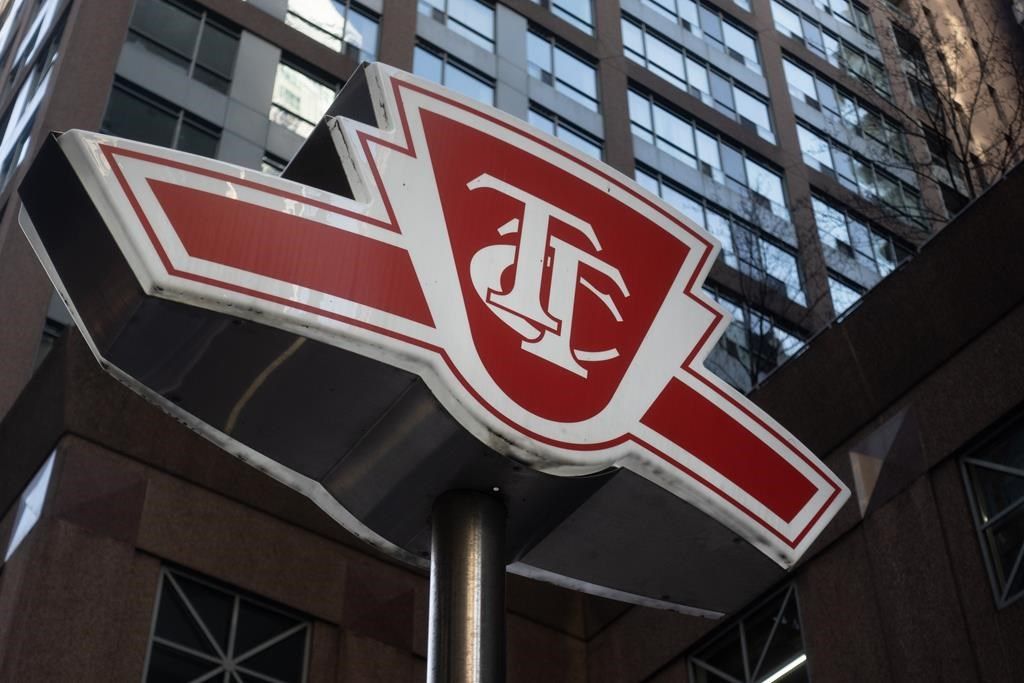
A sudden power outage brought Toronto's Line 2 subway service to a temporary halt during Wednesday's afternoon rush hour, creating ripple effects across one of the city's busiest transit corridors. The Toronto Transit Commission confirmed the disruption between Woodbine and Broadview stations occurred at approximately 4:30 PM, precisely when commuter traffic peaks on the Bloor-Danforth line. While service was restored after 25 minutes, the incident exposed critical vulnerabilities in infrastructure that supports nearly half a million daily riders across Toronto's east-west axis.
Scope and immediate impact of the disruption
The power failure affected both eastbound and westbound trains along a 3.5 kilometer stretch of track serving some of Toronto's most densely populated neighborhoods. During the outage period between 4:30 PM and 4:55 PM, an estimated 15,000-20,000 commuters would typically pass through the affected stations during this peak travel window. The disruption created a cascading effect across the network, with delays propagating to connecting routes including streetcars and buses. This segment represents one of the system's most critical choke points, where there are limited parallel transit alternatives, forcing many passengers to either wait for service restoration or seek crowded surface routes.
Technical response and system vulnerabilities
TTC crews responded immediately to the outage, working through established protocols to isolate and resolve the electrical issue. The relatively swift 25-minute resolution time suggests the problem was likely contained to a specific subsystem rather than a major grid failure. However, the transit authority's inability to immediately identify the root cause points to the complexity of maintaining electrical infrastructure that dates back to the line's 1966 opening. Unlike modern systems with automated diagnostics, Line 2's aging components require manual troubleshooting that prolongs outage investigations. Power fluctuations, equipment fatigue, or environmental factors like rodent damage to wiring could all potentially trigger such outages in systems of this vintage.
Commuters bear the brunt of disruption
The timing of the outage created disproportionate challenges for workers trying to return home, students commuting from downtown campuses, and shift workers heading to evening jobs. Local businesses near affected stations reported unusual pedestrian traffic as stranded commuters sought alternative transportation or waited out the delay. While shuttle buses weren't activated for this brief interruption, the incident demonstrated how even short disruptions can create logistical headaches across Toronto's transit-dependent neighborhoods. The lack of immediate communication about the outage's expected duration left many commuters uncertain whether to wait or seek alternate routes.
Historical context of reliability challenges
This marks the fourth significant service disruption on Line 2 in 2023, continuing a pattern of increasing reliability issues. The Bloor-Danforth line has experienced a 23% increase in delay minutes compared to the same period last year, according to TTC performance metrics. These challenges come as the line handles record ridership levels, with weekday averages now exceeding 500,000 trips. The aging signaling system, some components of which still use 1960s-era technology, has become particularly prone to failures during extreme weather events or power fluctuations. This latest incident follows a series of mechanical and electrical issues that have plagued the line since its opening more than five decades ago.
Infrastructure investment and modernization needs
The outage underscores urgent questions about the pace of transit modernization in Toronto. While the TTC has budgeted $2.3 billion for capital projects in 2023, much of this focuses on expansion rather than core system refurbishment. Critical components like the subway's electrical distribution network require billions in upgrades that compete with other priorities like new train purchases and station accessibility improvements. The current signal system modernization project, while critical, addresses only one aspect of the line's aging infrastructure. This incident may renew calls to accelerate the line's comprehensive modernization schedule before more serious failures occur.
Comparative analysis with modern transit systems
Unlike Toronto's newer subway lines that incorporate redundant power systems, Line 2's design leaves it vulnerable to single-point failures. Modern transit systems typically build in backup power routes and automatic failure detection that can prevent or minimize such disruptions. Cities like London and Tokyo have implemented resilient power distribution networks that can isolate faults within minutes. The TTC's ongoing signal system overhaul, scheduled for completion by 2029, promises to address some of these vulnerabilities, but Wednesday's outage shows how current infrastructure remains at risk in the interim period before these upgrades are fully implemented.
Broader implications for urban mobility
Beyond the immediate inconvenience, this incident highlights systemic challenges facing Toronto's transit network. As the city grows increasingly dependent on public transportation to meet mobility and climate goals, the margin for error shrinks. Each disruption erodes rider confidence at a time when the TTC needs to attract more users to justify expansion investments. The outage also raises questions about emergency communication protocols, as many riders reported receiving delayed or unclear information about the nature and duration of the disruption. This communication gap becomes particularly problematic during severe weather events that are becoming more frequent due to climate change.
Path forward for transit reliability
While the TTC has not yet released its full investigation findings, the incident will likely prompt renewed scrutiny of maintenance practices and upgrade timelines. Transit advocates are calling for accelerated investment in power system upgrades and more transparent communication during outages. Potential solutions include installing real-time monitoring systems for critical infrastructure and developing better contingency plans for rush hour disruptions. As Toronto prepares for even greater transit demands from population growth and major events like the 2026 World Cup, ensuring system reliability moves from an operational concern to an urgent civic priority that requires sustained funding and political commitment.