Diver hospitalized after rare shark bite incident in Quebec's Gaspé Peninsula
A diver suffered injuries from a shark bite off Percé, Quebec, marking one of only 15 confirmed shark attacks in Canadian waters over three centuries. Local diving operations were suspended as researchers note increasing white shark sightings in Atlantic Canada.
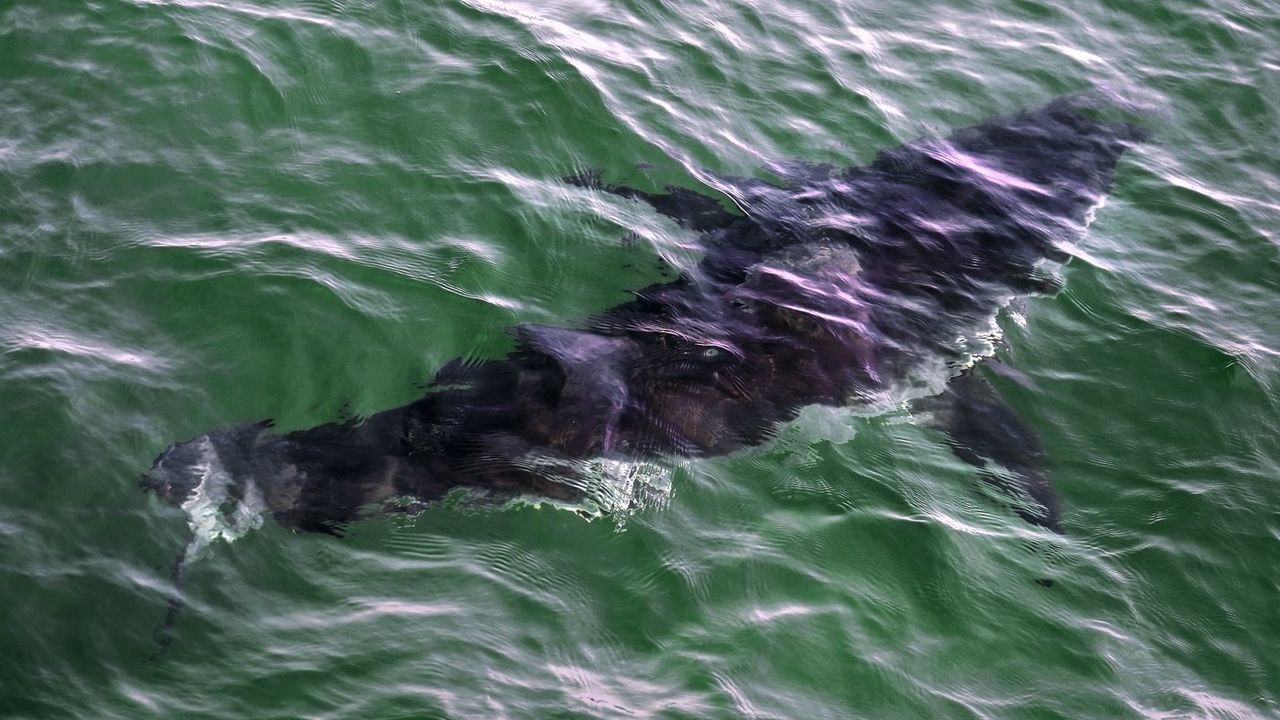
A diver required hospitalization after an encounter with a shark in the waters off Quebec's Gaspé Peninsula, an event marine researchers describe as exceptionally rare in Canadian maritime history. The Canadian Coast Guard received notification of the incident near the coastal community of Percé at 10:27 a.m., coordinating with emergency responders who met the vessel upon its return to shore. This incident joins a small number of documented shark interactions in Canadian waters, drawing attention to changing marine conditions along the Atlantic coastline.
Emergency response and diving operations
Plongée Percé, the local diving company involved in the incident, confirmed their staff provided immediate first aid to the injured diver before professional medical teams transported the individual to hospital for comprehensive evaluation. The diving operator made the precautionary decision to suspend all operations for the remainder of the season, demonstrating the significant impact such rare events can have on local marine tourism. While authorities have not officially identified the shark species responsible, researchers note this region has seen increased white shark activity in recent years according to scientific tracking data.
Historical context of shark encounters
The Canadian Shark Attack Registry, maintained by the independent St. Lawrence Shark Observatory, serves as the authoritative record for such incidents in Canadian waters. Their extensive documentation reveals only 30 reported cases spanning over 300 years, with just half of those verified as confirmed attacks. This carefully maintained database provides critical context for understanding the statistical rarity of shark encounters in northern waters, with most historical incidents occurring when humans accidentally provoked marine predators during fishing activities or other marine operations.
Changing marine ecosystems
Scientific observations indicate notable shifts in shark distribution patterns along Canada's eastern seaboard. Researchers attribute these changes to multiple environmental factors including rising ocean temperatures and alterations in prey availability that appear to be drawing more white sharks into Canadian waters during warmer months. The St. Lawrence Shark Observatory has documented this northward movement through various research methods, including visual confirmations and electronic tagging programs that track shark migration patterns. These scientific efforts help explain why coastal communities are observing more frequent shark presence in recent years.
Local economic impacts
The immediate suspension of diving activities by Plongée Percé illustrates how marine incidents can affect coastal tourism operations in communities dependent on marine recreation. Percé is renowned for its rich marine biodiversity and underwater attractions that typically draw diving enthusiasts from across Canada. Marine safety experts emphasize that while shark encounters remain statistically improbable, water sports operators should maintain awareness of wildlife interaction protocols, especially as marine environments continue to experience ecological changes. The economic implications extend beyond immediate operations, potentially affecting tourism perceptions in the region.
Medical response and treatment
Medical professionals specializing in marine trauma cases note that rapid first response significantly improves outcomes for shark bite victims. The swift actions by the diving crew to administer first aid, followed by professional paramedic intervention, likely enhanced the injured diver's medical prognosis. While hospital officials have not disclosed specific details about the patient's condition, medical literature indicates that shark bite injuries typically require specialized trauma care including surgical procedures to address tissue damage and prevent potential infections from marine bacteria. The availability of such specialized care in coastal regions becomes increasingly important as marine activities grow in popularity.
Ecological monitoring and research
This incident serves as an important data point for scientists studying changing marine ecosystems. While shark encounters remain extremely rare compared to other aquatic hazards, the increased detection of large marine predators suggests broader ecological transformations. For coastal communities, commercial fisheries, and marine tourism operators, understanding these environmental shifts becomes vital for developing appropriate safety measures and conservation strategies. Scientific initiatives like the Canadian Shark Attack Registry provide essential data for analyzing these rare but ecologically significant marine interactions, helping researchers track long-term patterns in predator behavior and distribution.
Marine safety and public education
The shark bite incident near Percé highlights the need for updated marine safety protocols and public education regarding realistic marine risks. As ocean conditions continue to change, collaboration between government agencies, research institutions, and marine industries becomes increasingly important for monitoring these developments. Public education efforts should focus on providing accurate information about marine wildlife behavior while promoting responsible ocean recreation practices. These measures can help maintain safe coastal activities while supporting conservation efforts for marine predators that play vital roles in ocean ecosystems.
Future outlook for marine interactions
Looking ahead, marine researchers anticipate continued monitoring of shark populations will be essential for understanding long-term trends in their distribution and behavior. The scientific community emphasizes that while increased shark sightings may occur, the fundamental risk to humans remains extremely low. Ongoing research efforts will focus on better understanding the environmental factors influencing shark movements and developing predictive models to help coastal communities prepare for potential changes in marine wildlife patterns. These scientific efforts aim to balance marine conservation with human safety in Canada's coastal waters.