Surrey mayor raises alarm as two high-risk offenders released into community
Surrey's mayor expresses concern after two designated high-risk offenders with violent histories are released into the city within two days, prompting discussions about public safety and rehabilitation.
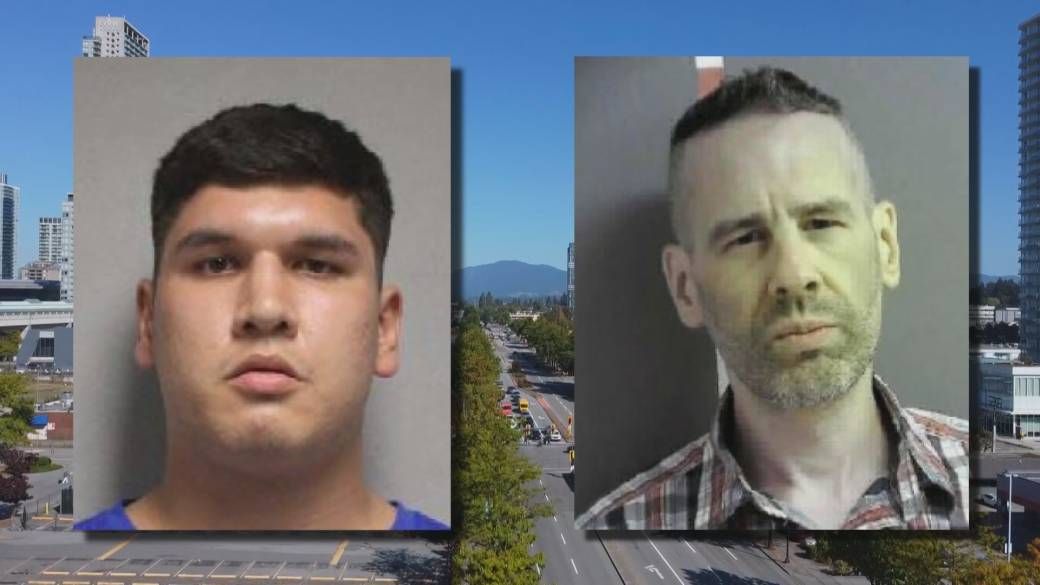
Surrey Mayor Brenda Locke has voiced significant concerns about public safety after two designated high-risk offenders were released into the community within a 48-hour period. This development has reignited debates about offender rehabilitation, community safety protocols, and the distribution of high-risk individuals across municipalities.
Detailed profiles of released offenders
The Surrey Police Service has confirmed the placement of 49-year-old Jonathon Anders Muzychka in the community. Classified as a high-risk offender with a documented history of violence against persons and property crimes, Muzychka will be under electronic surveillance and subject to strict court-ordered conditions. Public records reveal disturbing details about Muzychka's criminal past, including his conviction for killing a man during a 2008 robbery in Manitoba. Following his initial arrest, he managed to escape custody, demonstrating a pattern of dangerous behavior. More recently, in 2021, Victoria police issued a warrant for his arrest after he failed to return to his designated halfway house.
The second individual, 26-year-old Skylar Wayne Pelletier, carries the same high-risk designation with a record that includes violent and sexual offenses against women. Currently serving a five-year supervision order for convictions including sexual assault, assault, and break-and-enter, Pelletier spoke briefly with Global News about his current situation. When pressed about whether the community should be concerned about his presence, Pelletier offered a noncommittal response, stating, "I don't know, it's what they think, right? It's up to them. It's not my decision. I don't make decisions for them, right?" His comments highlight the complex relationship between offender rehabilitation and community perception.
Municipal leadership response
Mayor Locke has taken a firm stance regarding the placement of these offenders in her city. "They are not welcome in Surrey," she stated unequivocally. The mayor expressed particular concern about what she perceives as a disproportionate concentration of high-risk individuals being placed in Surrey compared to other municipalities. "It feels to me like there's an extraordinary number coming to Surrey, so that is a concern," Locke told Global News. This statement reflects growing frustration among municipal leaders who feel their communities bear an uneven burden in offender reintegration efforts.
Law enforcement protocols
Staff Sgt. Lindsey Houghton of the Surrey Police Service addressed public concerns about two high-risk offenders arriving in such close succession. While acknowledging the unsettling nature of the timing, Houghton emphasized this was coincidental rather than indicative of any systemic issue. He detailed the police service's comprehensive monitoring approach: "We meet them and advise them that our officers are checking in on them. We work very closely with the residents that they are assigned to by the courts and their supervisors as well; some of the offenders have a condition often to report to police."
Houghton further explained the collaborative nature of offender supervision, noting that police work in conjunction with bail and parole officers to verify compliance with court-ordered conditions. This multi-layered approach includes electronic monitoring, routine check-ins, and coordination with supervising agencies to maintain oversight of high-risk individuals in the community.
Rehabilitation perspectives
The New Vision Society, an organization involved in offender reintegration, provided insight into their supervision methods and philosophical approach. Jackson Leathem, a representative of the organization, articulated their rehabilitation goals: "We're trying to give these individuals a chance, right, to rehabilitate, to learn new life skills, to change their thinking, their behaviour, be able to grapple with emotions better." Leathem stressed the societal importance of reintegration efforts, adding, "It's important to give these people a fighting chance at rebuilding a new life for themselves." These comments reflect the challenging balance between public protection and providing pathways for offender rehabilitation.
Pattern of problematic placements
This latest incident continues a concerning pattern of high-risk offender placements in Surrey that have resulted in public safety issues. In February, authorities relocated Marinus Willemse, a 58-year-old with multiple violent convictions including child abduction and sexual assault with a weapon, to Surrey. The placement proved problematic when Willemse breached his release conditions within a month, prompting his transfer to Winnipeg where authorities issued another public warning about his presence in that community.
Another recent case involved 42-year-old Nathanial Odorjan, whose placement in Surrey was announced in April. With a documented history of offenses against women and girls, Odorjan allegedly violated his release conditions within weeks. He is currently wanted by authorities, with his whereabouts unknown, leaving the community anxious about potential risks.
Community impact and concerns
The repeated placement of high-risk offenders in Surrey has generated substantial concern among residents. While authorities emphasize the supervision measures in place, the high-profile cases of breaches have undermined public confidence in the system. Pelletier's own comments about his situation - "You obviously don't want to go to jail again...I prefer to stay out in the community" - illustrate the tension between individual rehabilitation goals and collective safety concerns.
Police maintain that public notifications are carefully considered and only issued when legitimate public safety interests exist. However, these disclosures invariably spark intense community debates about the appropriateness of placing violent offenders in residential areas and the effectiveness of current monitoring systems.
Broader systemic considerations
The situation in Surrey reflects nationwide challenges in balancing rehabilitation objectives with community safety priorities. Several key issues emerge from these cases that warrant examination. The concentration of high-risk individuals in certain municipalities raises questions about equitable distribution across jurisdictions. Some communities appear to bear disproportionate responsibility for societal reintegration efforts, potentially straining local resources and undermining public confidence.
Transparency in placement decisions remains another critical concern. Municipal leaders like Mayor Locke have called for clearer communication channels between justice officials, law enforcement, and local governments regarding offender placements. Improved information sharing could help communities better prepare for and respond to these situations.
These cases ultimately test society's ability to balance competing priorities: providing meaningful rehabilitation opportunities while maintaining public safety, supporting offender reintegration without overburdening specific communities, and implementing sufficient supervision without creating a surveillance state. As Surrey's experiences demonstrate, achieving this balance remains an ongoing challenge with significant consequences for all stakeholders involved.