Why Ontario's Georgian Bay Is a Must-Visit Fall Destination
The sprawling Georgian Bay offers stunning autumn landscapes, charming towns and outdoor adventures that rival the Great Lakes.
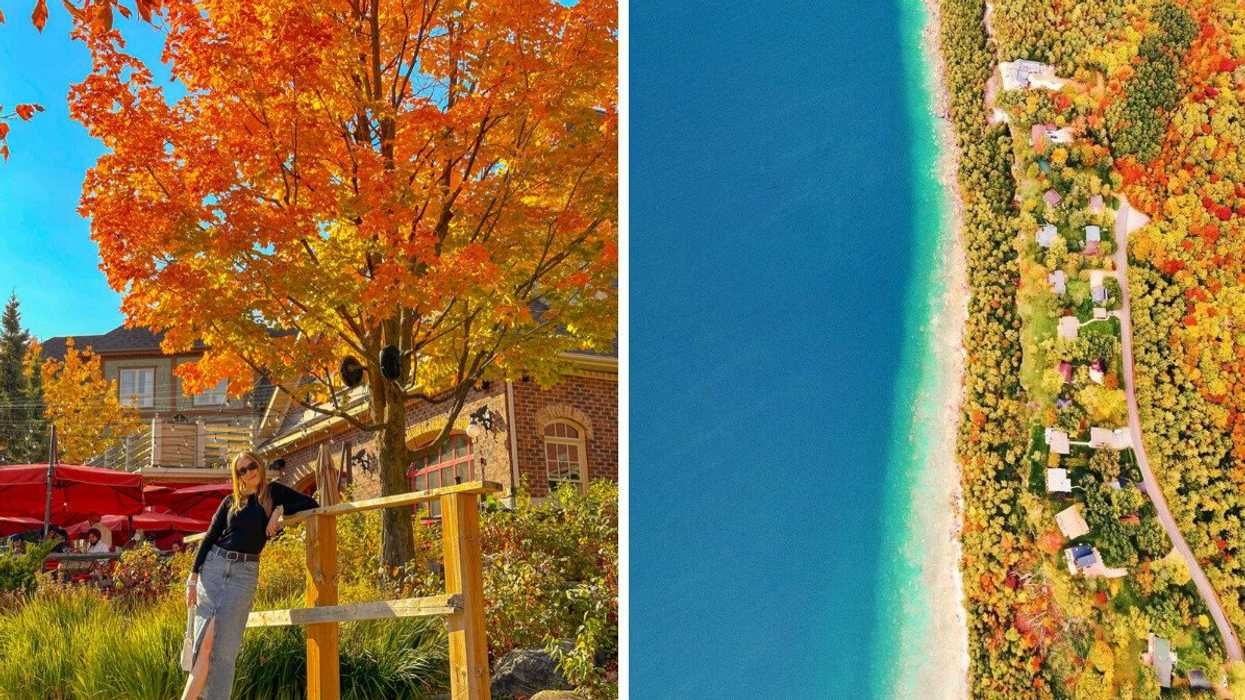
While Ontario’s Great Lakes draw countless visitors each year, another massive body of water offers equally breathtaking scenery, especially in autumn. Georgian Bay, often dubbed the province’s "sixth Great Lake," spans 5,792 square miles and features turquoise waters, rugged cliffs, and quaint towns that become even more enchanting as fall colours set in. This vast northeastern arm of Lake Huron covers an area comparable to Lake Ontario’s 7,320 square miles, earning its unofficial title through both scale and scenic grandeur.
A Landscape That Rivals the Great Lakes
Georgian Bay’s geography creates a microcosm of Ontario’s most striking natural features compressed into one spectacular region. The bay’s 30,000 Islands archipelago, the largest freshwater island chain in the world, forms a labyrinth of granite outcrops and sheltered channels. According to Visit Georgian Bay, the shoreline alternates between windswept pines clinging to Precambrian shield rock and endless beaches of white sand that could rival Caribbean coastlines. The water itself maintains a startling turquoise hue well into autumn, creating vivid contrasts with the deciduous forests that erupt in crimson and gold. This interplay between land and water reaches its peak visual drama in October when the hardwood canopies reach maximum color intensity.
The Science Behind the Spectacle
The bay’s exceptional fall foliage results from a unique convergence of ecological factors. The Niagara Escarpment’s limestone ridge creates varied microclimates supporting diverse tree species, sugar maples flare scarlet while tamaracks turn buttery yellow. Colder air sweeping off the bay accelerates color changes earlier than inland areas, extending the viewing window. Unlike more homogenous northern forests, Georgian Bay’s mix of conifers and hardwoods creates textured landscapes where evergreen spires punctuate broad swaths of deciduous color. The region’s exposed bedrock also forces trees to grow in dramatic, stunted forms that amplify the visual impact of their autumn transformation.
Charming Towns and Seasonal Delights
Scattered along the bay’s 1,200-mile coastline, historic towns serve as perfect bases for fall explorations. Parry Sound combines maritime heritage with modern amenities, offering 30,000 Islands cruises that showcase the archipelago’s autumn splendor from the water. Further south, Collingwood’s ski resort infrastructure transforms into a fall activity hub, with the Ridge Runner Mountain Coaster providing thrilling tree-level views of the escarpment’s colors. Penetanguishene’s French-Canadian roots surface in bakeries selling maple-infused pastries, while Thornbury’s apple-growing tradition peaks during harvest festivals. Killarney maintains its rugged fishing village charm, with waterfront fish shacks serving whitefish alongside views of the La Cloche Mountains’ fiery slopes.
Hiking and Outdoor Adventures
Georgian Bay’s trail network showcases autumn’s progression across different terrains and elevations. The Crack Trail in Killarney Provincial Park ascends the white quartzite ridges of the La Cloche Mountains, rewarding hikers with 360-degree views of lakes that mirror the surrounding hardwood forests. At Lion’s Head Lookout, the Bruce Trail branches toward cliffside vistas where the bay’s cerulean waters meet kaleidoscopic shorelines. For paddlers, the Massasauga Provincial Park’s backcountry canoe routes offer serene passages through sheltered channels where falling leaves create natural confetti on the water’s surface. Manitoulin Island’s Cup and Saucer Trail delivers the most dramatic elevation changes, with wooden staircases scaling 70-meter cliffs for panoramas stretching across the North Channel’s island-dotted expanse.
Orchards, Cideries, and Seasonal Markets
The bay’s agricultural belt reaches its productive peak during autumn, with roadside stands overflowing with heirloom pumpkins and freshly pressed apple cider. The Beaver Valley’s sunny slopes produce exceptional fruit, with family-run operations like Mountain Orchards offering pick-your-own experiences among trees heavy with Honeycrisp and Empire apples. Craft beverage producers capitalize on the harvest, with cideries like Coffin Ridge serving oak-aged ciders paired with views over rolling orchards. Farmers’ markets in Meaford and Thornbury become community gathering spots, where artisans sell woolen mittens alongside jars of wild blueberry jam, perfect souvenirs of the region’s autumnal bounty.
Why Georgian Bay Stands Out
Several factors raise Georgian Bay above other Ontario fall destinations. Unlike Algonquin’s interior forests or Muskoka’s lake districts, the bay combines accessibility with wilderness scale, major highways connect to scenic routes like Highway 6 and the 30,000 Islands Parkway without sacrificing remoteness. The region avoids the overcrowding of more famous leaf-peeping spots while offering comparable vistas. Infrastructure like the Bruce Trail and Georgian Bay Cycling Route provides structured ways to experience the landscape without requiring backcountry skills. Perhaps most importantly, the bay’s identity as a cultural transition zone, where southern Ontario’s pastoral charm meets northern wilderness, creates a diversity of experiences unmatched by more homogenous regions.
Conservation and Sustainable Visitation
The bay’s popularity necessitates responsible travel practices to preserve its fragile ecosystems. Visitors should stay on marked trails to protect the thin soils of the Niagara Escarpment and respect seasonal wildlife patterns, fall is critical for species like black bears preparing for hibernation. Supporting local businesses rather than chains helps sustain the region’s distinctive character. Parks Canada’s Learn-to-Camp programs at Georgian Bay Islands National Park teach low-impact camping techniques ideal for autumn excursions. As climate change alters fall color timing and intensity, the bay serves as both a barometer of environmental shifts and a case study in balancing tourism with conservation.
Why It Matters
Georgian Bay represents a rare convergence of accessibility and wilderness that makes Ontario’s natural heritage tangible to casual visitors and serious outdoors enthusiasts alike. Its fall spectacle provides an economic lifeline for small communities transitioning from summer tourism while offering urban dwellers a tangible connection to seasonal rhythms increasingly obscured by city life. The region’s unofficial "sixth Great Lake" moniker speaks to both its physical grandeur and its psychological role as a place where Ontarians can experience the sublime, where the vastness of freshwater meets the fleeting brilliance of autumn in a landscape that feels simultaneously ancient and newly discovered with each visit.