Minimum Wage Increases Coming to Several Canadian Provinces in 2023
Five provinces and one territory will raise their minimum wage on April 1, with more increases planned later this year as governments respond to inflation pressures. Ontario, B.C. and Alberta are among provinces holding rates steady, while skilled trades offer alternative high-earning career paths.
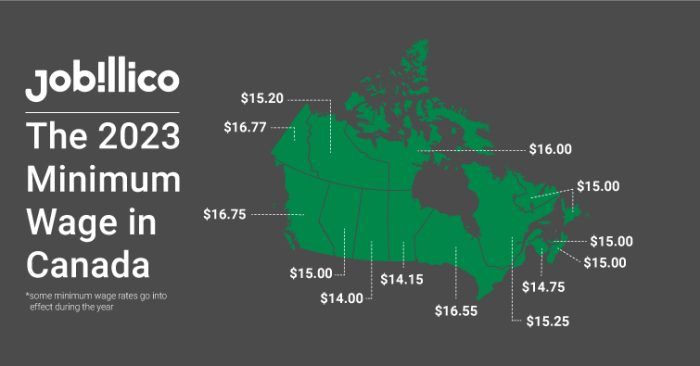
Canadian workers in several provinces will see higher paycheques starting April 1 as governments implement minimum wage increases designed to help offset rising living costs during a period of sustained inflation. This first wave of 2023 adjustments represents an ongoing national effort to balance worker financial needs with business operational concerns, with provinces taking markedly different approaches to compensation policy.
April 1 Minimum Wage Increases
Workers in Manitoba, New Brunswick, Nova Scotia, Newfoundland and Labrador, and Yukon will all see their minimum wages rise effective April 1. These increases range from modest adjustments to more significant jumps, reflecting varying regional economic conditions and policy approaches to worker compensation. Several of these jurisdictions have scheduled additional increases later in 2023, creating a two-phase implementation strategy that allows businesses time to adapt while providing workers with incremental relief from inflation pressures that reached 40-year highs in 2022.
The Northwest Territories is pursuing an innovative alternative to simple rate increases by fundamentally restructuring how it calculates minimum wage. This systemic change suggests a longer-term strategy for wage policy in the territory that may better reflect northern living costs, though specific details about the new calculation method remain undisclosed. The approach contrasts with other provinces' more traditional percentage increases.
Additional Increases Coming in 2023
Quebec, Saskatchewan and Prince Edward Island have all announced plans to implement minimum wage increases later this year, though the exact timing and amounts vary by province. These planned adjustments continue the recent trend of provincial governments using minimum wage policy as a primary tool to address affordability concerns during economic uncertainty. The frequency of minimum wage reviews and adjustments has increased across Canada in recent years as inflation became a dominant economic issue, with many provinces moving away from rigid annual increases tied to inflation indexes toward more responsive, discretionary adjustments.
Provinces Maintaining Current Rates
Three of Canada's largest provincial economies - Ontario, British Columbia and Alberta - have decided against minimum wage increases in 2023. Ontario and B.C. both implemented significant raises in 2022 that may have temporarily addressed compensation concerns, while Alberta has maintained its $15 per hour rate since 2019, representing one of the longest periods without adjustment among provinces. This stability may benefit businesses facing economic uncertainty but leaves workers vulnerable if inflation persists. Nunavut also isn't planning any changes to its minimum wage this year, though its existing $16 per hour rate remains Canada's highest, established in April 2020 to reflect the exceptionally high costs of northern living.
Skilled Trade Salaries Offer Alternative Path
While minimum wage policies dominate public discussions about worker compensation, recent data highlights the substantial earning potential in licensed trades occupations that often gets overlooked. In Ontario, where skilled labor shortages have reached critical levels, tradespeople command salaries that dwarf minimum wage earnings - electricians average $91,635 annually while painters and decorators make $76,338. These positions have become increasingly vital as Ontario struggles to find enough qualified workers to meet infrastructure and housing demands, creating exceptional opportunities for those willing to pursue vocational training rather than traditional academic paths.
The Inflation Context
The current round of minimum wage increases comes against a backdrop of sustained high inflation that has significantly eroded purchasing power for Canadian workers since 2021. With consumer price inflation peaking at 8.1% in June 2022 before moderating slightly, provincial governments face intense pressure to implement policies that help low-income households cope with ballooning costs for essentials like food, housing and transportation. However, policymakers must carefully balance these concerns against potential impacts on small businesses already struggling with higher input costs across their operations. The uneven approach across provinces reflects differing assessments of this economic tightrope and varying regional conditions in each jurisdiction.
Long-Term Workforce Implications
The stark contrast between minimum wage policies and skilled trade salaries highlights broader questions about workforce development strategies across Canada. While minimum wage increases provide immediate financial relief for low-income workers, the strong earnings potential in skilled trades suggests alternative pathways to financial stability that don't necessarily require traditional four-year degrees. As provinces grapple with acute labor shortages in critical construction and infrastructure sectors, the relationship between wage policies, vocational training accessibility and economic mobility will likely remain a key policy challenge for years to come. The current minimum wage adjustments represent just one piece of a complex national puzzle about how to build resilient, equitable workforces capable of meeting Canada's evolving economic needs.
Economic Mobility and Career Alternatives
The substantial salaries available in skilled trades - with electricians earning nearly triple Alberta's $15 minimum wage - underscore how vocational careers can serve as vehicles for economic mobility. These positions typically require focused training programs rather than expensive university degrees, offering faster entry into well-compensated work. However, persistent stigma around trade careers and gaps in vocational education systems may prevent many Canadians from pursuing these opportunities, even as provinces face critical shortages. Addressing these systemic barriers could prove as important as wage adjustments in building sustainable economic security for workers.