GO Train Service Disrupted at Long Branch Station Following Unspecified Incident
Metrolinx halted service at Etobicoke's Long Branch GO station Saturday evening due to an ongoing police investigation, with shuttle buses deployed for affected passengers.
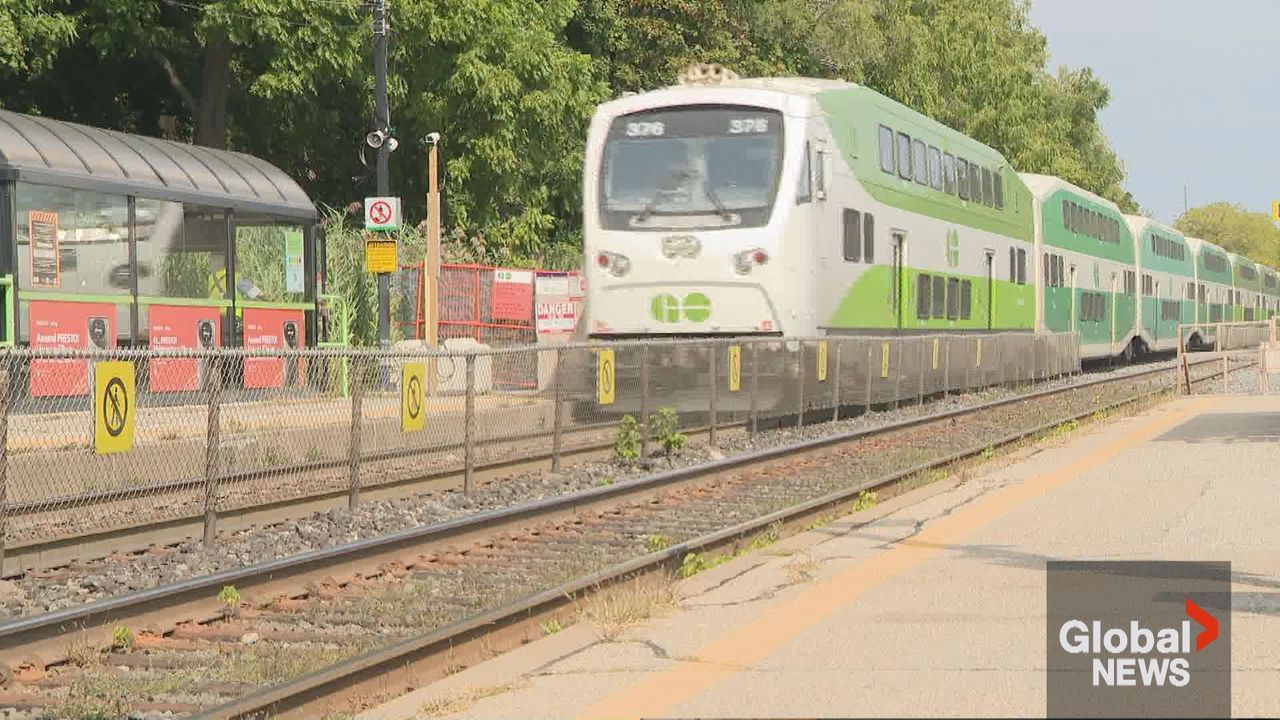
GO train service at Long Branch station in Etobicoke was abruptly suspended Saturday evening as police investigated an unspecified incident involving a train, according to Metrolinx. The transportation agency confirmed the disruption but declined to provide details about the nature of the incident, citing an active investigation by local authorities. This sudden service interruption left many commuters scrambling for alternate transportation options during a busy summer weekend.
Service Disruptions and Passenger Alternatives
With trains held at the station, Metrolinx implemented contingency measures to minimize commuter delays. A spokesperson stated that shuttle buses were operating between Port Credit and Kipling GO stations, allowing passengers to connect to TTC services or continue toward Union Station. The agency emphasized that these bus services were specifically running along the affected Lakeshore West line segment to maintain connectivity across the network.
The incident occurred during a weekend marked by multiple transportation challenges across the Greater Toronto Area. Heavy rainfall that began Sunday morning created additional complications for commuters trying to handle both the rail disruption and poor road conditions. Environment Canada had forecasted unsettled weather patterns continuing through the week, potentially extending commuter difficulties beyond the immediate service suspension.
Limited Information From Authorities
Neither Metrolinx nor police released further details about the incident by Sunday morning, maintaining a tight information blackout about whether it involved criminal activity, mechanical failure, medical emergency, or another type of situation. The lack of transparency frustrated passengers who.int/" target="_blank" rel="noopener">who relied on the route for weekend travel, particularly with Toronto's Caribbean Carnival festivities underway. Many took to social media to express concerns about the vague communication from transit officials.
This disruption follows recent scrutiny of Metrolinx's handling of service interruptions, including criticism over communication delays during previous emergencies. Transit advocacy groups have repeatedly urged the agency to improve real-time updates during crises, especially when alternate routes require multi-modal transfers that can confuse passengers. The Long Branch incident has renewed calls for more transparent protocols when unexpected disruptions occur.
Broader Regional Incidents
While police investigated at Long Branch station, York Regional Police were separately searching for suspects after an early Sunday morning shooting in Richmond Hill near Leslie Street. Investigators confirmed responding to a residential incident but provided no details about potential victims or motives. These concurrent incidents across different Greater Toronto Area jurisdictions underscored a particularly busy weekend for law enforcement throughout southern Ontario.
Internationally, the Toronto-area transit disruption coincided with heightened geopolitical tensions. Iran claimed to have struck an unmanned U.S. military vessel in the strategic Strait of Hormuz on Sunday, marking renewed hostilities after a month of relative calm between the nations. Meanwhile in Ukraine, U.S. envoys Steve Witkoff and Jared Kushner arrived in Kyiv for diplomatic discussions about Russia's ongoing invasion, demonstrating how local transit issues unfolded alongside significant global events.
Weather Impacts on Transportation
Toronto's humid weekend weather compounded transportation challenges beyond the rail disruption. Environment Canada reported rain showers beginning Sunday morning and continuing through the afternoon, with forecasts predicting an unsettled week of humid conditions. The precipitation followed a recent multi-day heatwave that had already strained the city's infrastructure and public health resources, showing how extreme weather increasingly affects urban mobility.
Climate scientists note that intense rainfall events are becoming more frequent in the region, testing the resilience of transit systems not originally designed for current precipitation patterns. This context places additional pressure on agencies like Metrolinx to maintain service reliability amid both operational incidents and environmental stressors. The combination of infrastructure challenges and climate impacts creates complex scenarios for transit planners attempting to minimize commuter disruptions.
Safety Considerations
The unspecified nature of the Long Branch incident raises important questions about transit safety protocols. While major accidents on GO Transit lines remain rare, any unplanned service suspension triggers reviews of emergency response procedures. Rail safety experts emphasize that thorough investigations following such incidents help identify potential system improvements, whether related to infrastructure maintenance, security measures, or crew training protocols.
Passenger advocacy groups have called for more detailed after-action reports following service disruptions, arguing that transparency about causes and responses helps build public trust. They note that while immediate service restoration is crucial, understanding what went wrong allows for meaningful system improvements that can prevent future incidents.
Why It Matters
Public transit disruptions, especially those with limited explanations, erode trust in transportation networks that hundreds of thousands of Greater Toronto Area residents depend on daily. The Long Branch incident highlights the need for clearer communication protocols during emergencies, particularly when alternative arrangements involve complex multi-modal transfers. As Toronto's population grows and climate-related challenges intensify, robust contingency planning becomes increasingly critical for maintaining urban mobility during unforeseen events.
The incident also underscores how localized transit issues can ripple across the regional transportation network, affecting commuter patterns far beyond the immediate disruption site. With Toronto facing continued growth pressure and climate volatility, investments in system resilience and transparent crisis communication may prove just as important as physical infrastructure upgrades in keeping the city moving.