E-scooter hospitalizations surge 40% in Canada, with teen boys at highest risk: CIHI data
New data shows a sharp rise in serious e-scooter injuries, particularly among young teens, as experts call for better regulation and enforcement of safety rules.
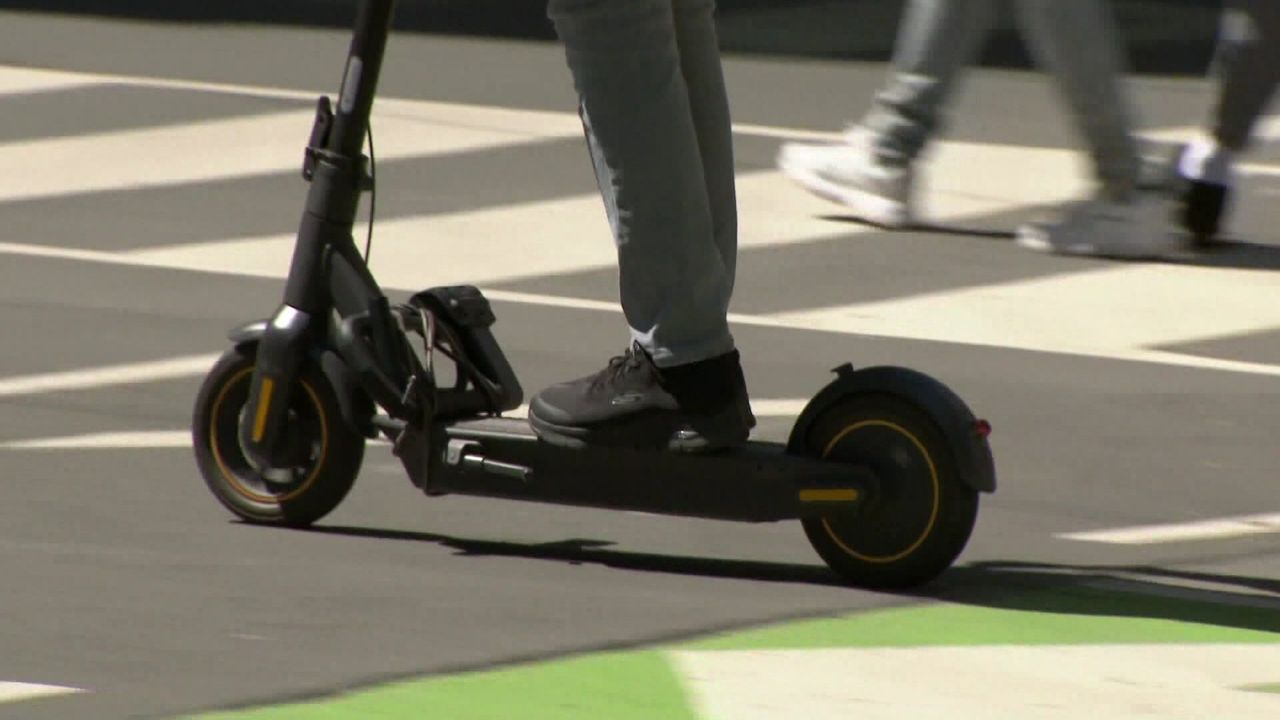
Hospitalizations from electric scooter injuries in Canada have surged by nearly 40% in the past year, according to alarming new data from the Canadian Institute for Health Information (CIHI). The report reveals 837 e-scooter related hospitalizations between April 2025 and March 2026, marking a significant increase from 601 cases during the same period the previous year. This dramatic rise has sparked urgent discussions among medical professionals, policymakers, and transportation experts about how to address safety concerns while preserving the benefits of this popular micro-mobility option.
Youth injury crisis emerges
The data paints a particularly concerning picture for Canada's youth population. Hospitalizations among children aged 15 and under nearly tripled, jumping from 54 cases in 2024-25 to 150 in 2025-26. Boys accounted for the overwhelming majority of these cases, with 122 hospitalized compared to just 28 girls. Dr. Daniel Rosenfield, a pediatric emergency physician at Toronto's Hospital for Sick Children, described these statistics as "sobering," particularly the disproportionate impact on young teen and preteen males.
The severity of these injuries warrants special attention. Fractures and major joint injuries represented 65% of all e-scooter hospitalizations (544 cases), while head and brain injuries accounted for 18.8% (157 cases). These numbers align with a separate Canadian Paediatric Surveillance Program report documenting 10 youth fatalities nationwide from e-scooter and e-bike incidents in 2025. That report found 47% of non-fatal injuries involved the head and 40% affected limbs, highlighting the potential for life-altering consequences from these accidents.
Understanding the risk factors
Several key factors contribute to this growing public health concern. The average age for serious incidents falls between 10-12 years old, with 42% of cases involving youth aged 10-15 and another 18% affecting children as young as 5-9. Dr. Rosenfield directly links the injury surge to increased e-scooter availability, noting that "the more kids and teens that are using them, the more of them that are going to get injured." This correlation between accessibility and injury rates suggests current regulatory frameworks haven't kept pace with the technology's rapid adoption.
Michael Terner, CIHI's manager for hospital data management, observed these patterns concentrate in "large urban areas" where e-scooter use has proliferated most dramatically. The data also reveals clear seasonal trends, with most incidents occurring during summer months when e-scooter use peaks. Even toddlers face risks, with 18 injuries recorded in children aged 0-4 during 2024-25, indicating some very young children are accessing these devices despite obvious safety concerns.
The regulatory landscape and enforcement gaps
Currently, six provinces have age restrictions for e-scooters, with Nova Scotia preparing to join them this fall by prohibiting riders under 14. However, experts consistently note enforcement remains inconsistent for existing rules regarding age limits, speed restrictions (typically capped between 25-32 km/h), and helmet requirements. Nova Scotia Public Works Minister Fred Tilley recently articulated the regulatory challenge, stating: "The technology on bicycles and cars is changing on the daily, which allows these conveyances to move faster. You start to get into a different level of conveyance than a traditional bicycle or cycle."
The lack of standardized regulation across jurisdictions creates confusion. While British Columbia limits e-scooters to 25 km/h, some advocates argue 33 km/h would be safer by keeping pace with urban traffic flow. Meanwhile, no provinces currently require registration, insurance, or competency testing for e-scooter riders, unlike requirements for motor vehicles. This regulatory vacuum leaves enforcement officials with limited tools to address reckless behavior.
Balancing innovation and safety
Medical professionals and transportation experts emphasize that solutions shouldn't focus on outright bans, but rather on targeted interventions. Dr. Rosenfield notes that responsible riders - typically older teens and adults - account for fewer injuries, stating "they are only slightly more dangerous than a normal bike and those that are responsible know that so we are even more careful." This suggests the technology itself isn't inherently unsafe, but rather that certain use patterns and demographics require specific attention.
Potential solutions under discussion include stricter enforcement of existing age and speed limits, mandatory helmet laws with proper enforcement, insurance requirements for riders, and basic competency tests similar to those required for bicycle riders in some jurisdictions. Infrastructure improvements also play a crucial role - many advocates argue e-scooters should be permitted wherever bicycles operate, with dedicated lanes that separate micro-mobility devices from both pedestrians and vehicular traffic.
Broader implications and next steps
The e-scooter injury surge represents more than just a transportation safety issue - it reflects broader challenges around emerging technologies, urban planning, and youth risk education. CIHI's Terner highlighted the dramatic acceleration in serious cases: "Just that number went up by nearly three-quarters in the last year." These statistics mirror similar spikes in e-bike and even pickleball injuries, suggesting a pattern where recreational activities gain sudden popularity before safety systems can adequately respond.
Addressing this challenge requires coordinated action across multiple sectors. Public health officials must develop targeted education campaigns about risk awareness, particularly for young male demographics showing disproportionate injury rates. Municipalities need to invest in infrastructure that safely accommodates micro-mobility devices. Provincial and federal regulators should establish consistent, evidence-based standards for device safety and rider requirements. Parents and educators play crucial roles in teaching responsible use to younger riders.
The solution likely lies in creating smarter systems that channel e-scooters' transportation and environmental benefits while mitigating predictable risks. Without such coordinated action, the human and healthcare costs of preventable injuries will likely continue rising alongside the devices' popularity. As Canada grapples with this emerging public health challenge, the experiences of other jurisdictions and parallel technologies like e-bikes may offer valuable lessons in striking the right balance between innovation and safety.