Liberty Village couple convicted in filmmaker's murder to be sentenced this week
A Toronto jury found Khoa Tran guilty of second-degree murder and Isabelle Nguyen guilty as an accessory in the 2023 killing of filmmaker Reeyaz Habib, whose body was found in a garbage compactor following a dispute over barbecue smoke. Victim impact statements revealed the profound grief of family and friends as the couple faces sentencing.
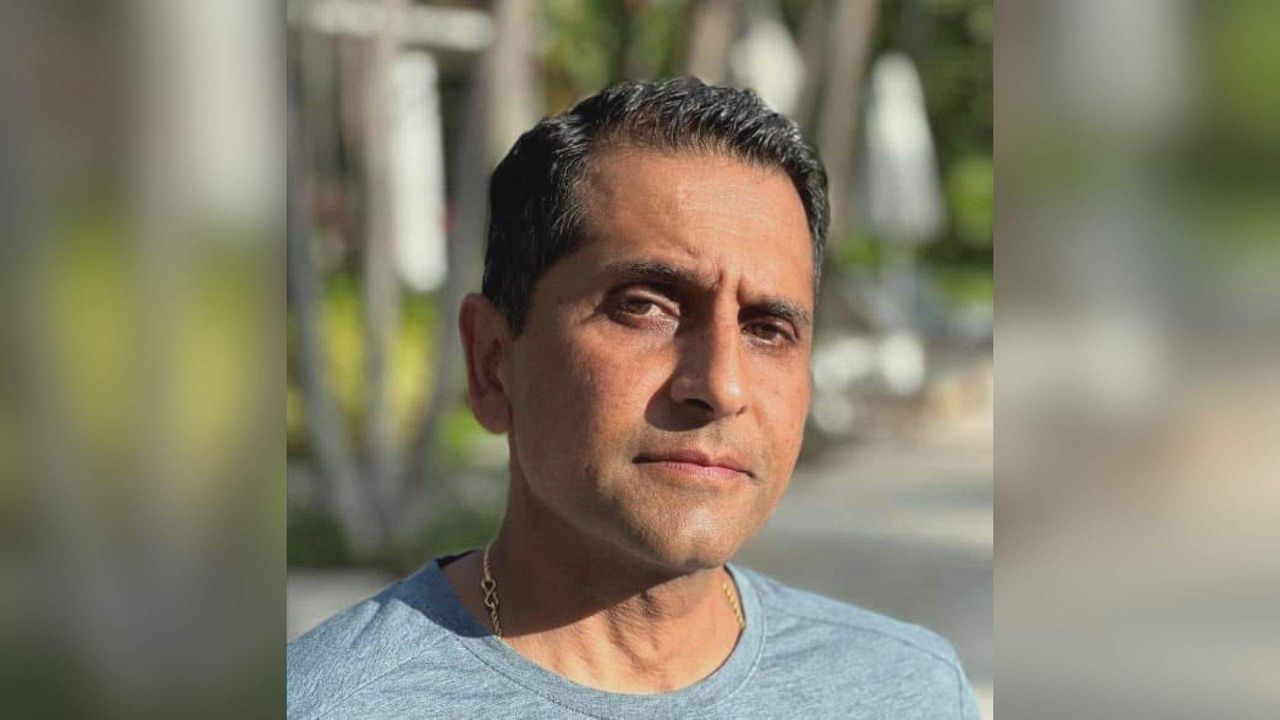
A Toronto couple convicted in the brutal 2023 murder of filmmaker Reeyaz Habib is set to be sentenced this week, closing a tragic chapter that began with a dispute over barbecue smoke in Liberty Village. Khoa Tran was found guilty of second-degree murder while his wife Isabelle Nguyen was convicted of being an accessory to murder and committing an indignity to a human body, according to CityNews Toronto.
The crime and convictions
The body of 56-year-old Habib was discovered in the garbage compactor of a townhouse complex in June 2023. Prosecutors presented compelling evidence that the killing stemmed from what initially appeared to be a minor neighborhood conflict - complaints about smoke from Tran's barbecue wafting into Habib's apartment. The trial revealed how this seemingly trivial domestic disagreement escalated over time into shocking violence.
After a month-long trial that concluded in early June, a jury returned guilty verdicts for both defendants. The convictions came three years after Habib's disappearance and death, bringing some measure of closure to the grieving family and Toronto's arts community. Tran faces an automatic life sentence with the court to determine his parole eligibility period, which could range from 10 to 25 years. Prosecutors are seeking five to seven years imprisonment for Nguyen's role in the crime and subsequent cover-up.
Victim impact statements reveal profound grief
During Wednesday's sentencing hearing, friends and family delivered emotional victim impact statements that painted a portrait of Habib as a beloved community member and detailed the lasting trauma of his loss. His friend Pat Smith told the court
"I've spent the last three years wondering 'what the heck happened to my friend?' He was such a kind, funny, charismatic, calm person. I just couldn't wrap my mind around any circumstances that would have led him to that situation."
Habib's 86-year-old mother submitted a written statement explaining her physical inability to attend court, describing in heartbreaking detail how her health had deteriorated since learning of her son's death. She wrote that even after three years, her heart still does not accept that he is gone. The profound psychological impact on the family was further evidenced by statements from Habib's sister, who spoke of living with a "pulverized heart" and enduring recurring nightmares that leave her waking up crying. His teenage niece told the court the murder destroyed her fundamental sense of safety and shattered their entire family, emphasizing that the violence didn't just end one life but damaged many others permanently.
Defendants show little reaction
Tran and Nguyen sat separately in prisoner's boxes during the proceedings, displaying minimal visible reaction to the emotional testimony about their victim's life and the devastation caused by his death. Court observers noted their detached demeanor as grieving family members detailed their suffering through tearful statements. This lack of visible remorse may factor into the judge's sentencing considerations, particularly for Nguyen's accessory charges which carry more judicial discretion in sentencing.
Background of the case
Habib was a respected local filmmaker known for his kindness and creative work in Toronto's arts community. He became entangled in what began as a minor neighbor dispute in the Liberty Village complex he shared with the defendants. The conflict escalated dramatically from initial complaints about barbecue smoke to culminate in his violent death and the subsequent disposal of his body in the building's garbage compactor - an act that added the charge of indignity to a human body for Nguyen.
Police initially treated the case as a missing person investigation before forensic evidence led them to the grisly discovery in the waste system of the residential complex. The trial revealed disturbing details about the planning and execution of the crime, showing how a domestic disagreement turned deadly through a series of escalating confrontations that ultimately crossed into criminal violence.
Legal consequences ahead
With sentencing imminent, legal experts note the case presents complex considerations for the judge. While second-degree murder carries a mandatory life sentence, the court must determine an appropriate parole ineligibility period for Tran between 10 and 25 years based on the brutality and circumstances of the crime. The prosecution is expected to argue for a longer period given the nature of the offense and the concealment of the body.
Nguyen's sentencing for accessory charges presents broader questions about culpability in such cases. Canadian courts have increasingly recognized the psychological trauma inflicted on victims' families when bodies are deliberately concealed or mistreated after death. The indignity to a human body charge reflects this growing legal understanding of secondary harms caused by such acts, which compound the original crime's impact on grieving families.
Community impact and urban tensions
This case has resonated deeply in Toronto's Liberty Village neighborhood, where residents grapple with the knowledge that such violence occurred in their community. The tragedy has sparked conversations about conflict resolution in dense urban housing environments where neighbors live in close proximity with limited mediation resources.
Community leaders have noted how the case highlights the pressing need for better systems to address neighbor disputes before they escalate, particularly in high-density residential areas where small conflicts can quickly intensify due to constant proximity between residents. Some have called for improved mediation services and clearer protocols for handling recurring neighbor complaints that show signs of escalating into dangerous situations.
Why this case matters
The murder of Reeyaz Habib represents more than just a criminal case - it serves as a cautionary tale about how minor disputes can spiral into unthinkable violence when handled improperly. The tragedy underscores how violent crimes create ripple effects that extend far beyond the immediate victim, permanently altering countless lives including those of family members, friends and entire communities.
As Toronto continues facing housing pressures and community tensions in rapidly developing neighborhoods like Liberty Village, Habib's story serves as a sobering reminder of the human cost when conflicts turn deadly. The upcoming sentencing will mark the end of the legal process, but for Habib's family and friends, the pain of their loss will endure long after the courtroom proceedings conclude. The case also raises important questions about how urban communities can better manage interpersonal conflicts before they escalate to violence in an era of increasing density and housing stress.