Toronto lithium-ion battery fires surge to record high with 97 incidents reported in 2026
Toronto Fire reports a dramatic increase in lithium-ion battery fires this year, already exceeding 2025's total amid warnings about improper use and storage.
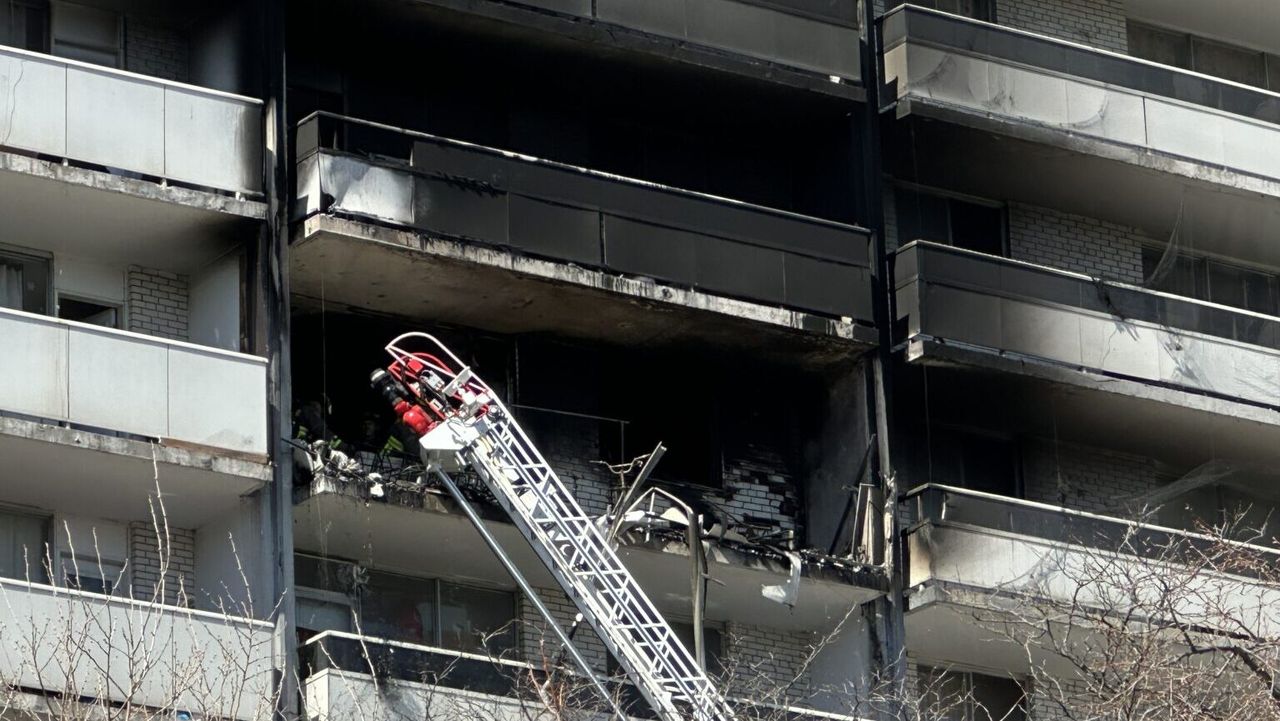
Toronto firefighters have responded to 97 lithium-ion battery fires in the first eight months of 2026, marking a dangerous acceleration of incidents that has safety officials sounding alarms about this growing urban fire risk. The current total represents a 36% increase over the entire previous year's count of 71 fires in 2025, and a staggering 234% jump from the 29 lithium-ion battery fires recorded in 2022. This exponential growth curve demonstrates how quickly these incidents are multiplying across Canada's largest city as lithium-ion batteries become ubiquitous in everything from electric bikes to smartphones.
The expanding scope of battery-related fires
Fire officials confirm the 97 documented cases represent just the confirmed incidents requiring professional fire suppression. Many smaller battery malfunctions likely go unreported when individuals successfully contain minor incidents themselves. The frequency has reached concerning levels, with four separate lithium-ion battery fires occurring across Toronto within a single 24-hour period last month, followed by two additional e-bike related blazes this past Sunday. Ontario's fire marshal has verified this pattern extends province-wide as these power sources become embedded in household devices.
Understanding the unique dangers of lithium-ion fires
These incidents differ fundamentally from conventional electrical fires due to the chemical process called thermal runaway. When lithium-ion batteries become damaged, overcharged, or improperly modified, they can enter an uncontrollable self-heating state generating temperatures exceeding 1,000°F. The Ontario fire marshal's office emphasizes these fires progress with alarming speed, often transitioning from initial smoke to full combustion within seconds. The toxic fumes released contain hydrogen fluoride and other hazardous compounds that create secondary health risks beyond the immediate fire threat, complicating firefighting efforts and evacuation procedures.
Market and regulatory challenges amplifying risks
Toronto fire officials identify several systemic issues driving the surge. The marketplace has become saturated with uncertified aftermarket batteries and chargers, particularly for high-demand products like e-bikes and scooters. Many consumers unknowingly purchase incompatible or counterfeit power sources through online marketplaces that lack proper safety mechanisms. This problem intersects with insufficient regulations governing battery quality control and safety certifications for the Canadian market. Additionally, most residential buildings lack protocols for safely storing these energy-dense power sources that can become hazardous when damaged or improperly maintained.
Common fire scenarios and prevention measures
Fire investigators have identified recurring patterns preceding battery fires. High-risk behaviors include charging devices on flammable surfaces like beds or sofas, continuing to use visibly damaged or swollen batteries, storing batteries in extreme temperature conditions, and creating makeshift charging setups that bypass safety features. Toronto Fire Services emphasizes prevention starts with purchasing only certified devices bearing recognized safety marks from organizations like CSA or UL. They advise never leaving batteries charging unattended overnight and always using non-flammable surfaces during charging. Regular physical inspections for damage and ensuring proper ventilation during charging operations are equally critical safety practices.
The hidden hazard of improper battery disposal
Improper battery disposal has emerged as a significant secondary fire risk, with multiple incidents traced to damaged batteries in waste collection and processing systems. The fire marshal stresses lithium-ion batteries should never be placed in household trash or recycling bins due to compaction risks at waste facilities. Toronto operates several designated hazardous waste drop-off depots specifically equipped to handle battery recycling safely. Some electronics retailers also accept batteries for proper disposal, though public awareness of these programs remains low according to waste management officials, leading many residents to discard batteries improperly.
Urban infrastructure straining under new demands
The battery fire surge coincides with broader stresses on Toronto's emergency systems and infrastructure. Many neighborhoods contain aging electrical systems never designed to handle modern power demands from proliferating personal devices. In high-density housing common across Toronto, a single battery fire can endanger dozens of residents in close quarters. While not directly connected, climate change-induced temperature extremes may further stress battery performance and safety. Fire officials note these compounding factors necessitate updated safety protocols for residential buildings and public spaces to address evolving technological risks.
Needed responses to a growing public safety issue
The dramatic three-year trendline suggests current educational efforts and safety standards lag behind lithium-ion technology's rapid adoption. Fire officials advocate for a comprehensive approach including strengthened import controls on uncertified batteries, targeted public education campaigns for high-risk user groups like delivery workers, updated building codes mandating proper battery storage areas, and enhanced manufacturer accountability for safety documentation. Without coordinated intervention, Toronto risks seeing these incidents continue their exponential growth with potentially deadly consequences as more powerful battery technologies enter consumer markets. The current data indicates this emerging threat requires immediate attention from policymakers, manufacturers, and consumers alike.
Balancing innovation with safety
While lithium-ion batteries enable important technological advancements from clean transportation to portable electronics, their risks must be properly managed. The Toronto fire statistics reveal a troubling disconnect between rapid technological adoption and corresponding safety measures. Addressing this gap will require collaboration across government agencies, product manufacturers, retailers, and consumers to ensure the benefits of these power sources aren't overshadowed by preventable safety incidents. As battery technologies continue evolving, proactive safety strategies must keep pace to protect urban communities from this growing fire hazard.