Toronto orders safety review at storm-damaged Rogers Stadium, forcing AC/DC concert cancellation
City officials confirm receipt of an engineering report assessing structural damage to Rogers Stadium after severe thunderstorms collapsed sections of the north grandstands, leading to the cancellation of AC/DC's final 2026 season concert.
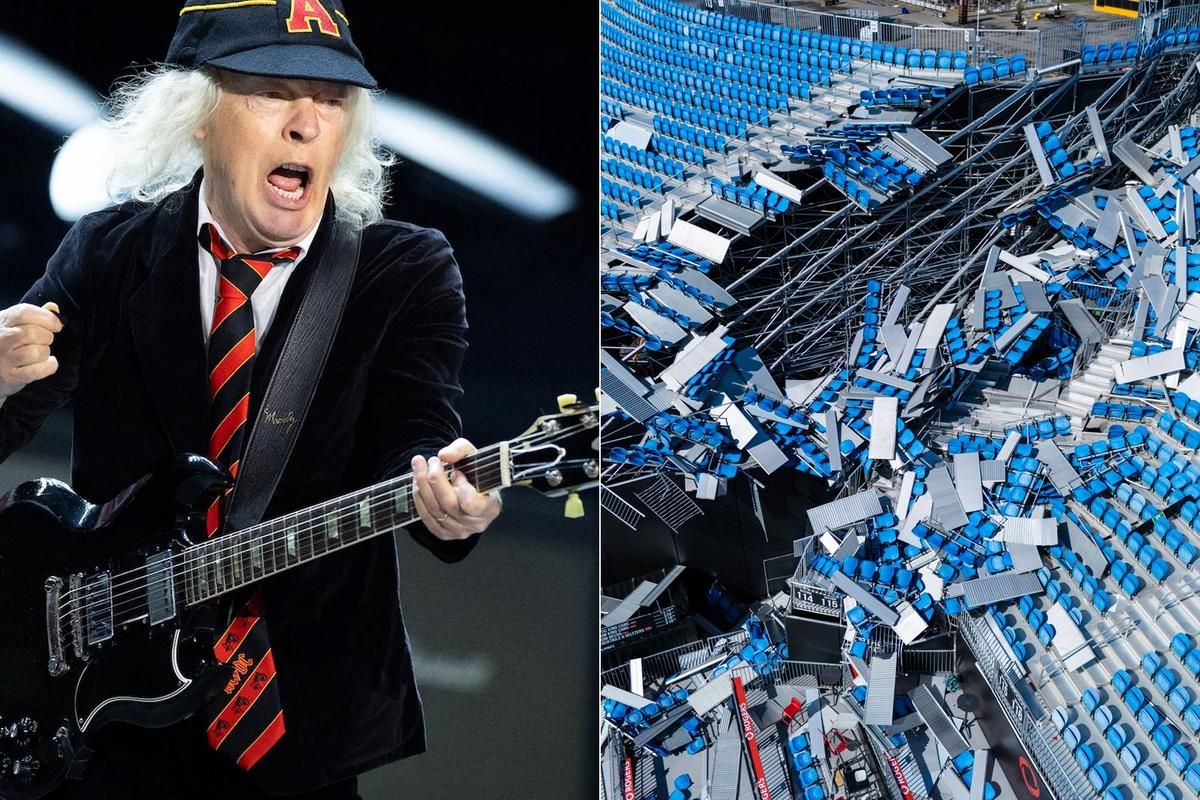
Toronto officials are reviewing structural safety concerns at Rogers Stadium after severe thunderstorms caused partial collapses in the venue's north grandstands last week. The city has confirmed receiving a mandated engineering report from property owners Live Nation, though the findings remain undisclosed as municipal authorities assess the document. This development comes amid growing concerns about Toronto's infrastructure resilience following increasingly frequent extreme weather events that have damaged buildings and disrupted major events across the city.
Detailed engineering assessment required
Municipal authorities issued an unsafe building order on September 3 following significant structural damage sustained during powerful thunderstorms that swept through Toronto. The order specifically required stadium operators Live Nation to retain professional engineers who would conduct a thorough assessment of the damage, outline necessary repairs, and establish a projected timeline for completing the work. A city spokesperson explained the process in an email to CityNews:
The City of Toronto has received the engineering report under the September 3 Order to Remedy Unsafe Building, which requires the property owner to retain a professional engineer to assess the damage, determine the remedial action and oversee it through its completion.The report was submitted before the September 9 deadline, but city officials have not disclosed its contents during their ongoing review.
Concert cancellation impacts thousands
The structural damage has forced the cancellation of AC/DC's highly anticipated September 16 performance, which was scheduled as the stadium's final concert of the 2026 season. The sold-out show would have drawn approximately 50,000 fans to the venue. No rescheduling details were provided in the cancellation announcement, leaving ticket holders awaiting information about refunds or potential alternative arrangements. Live Nation had not responded to media requests for comment at the time of reporting, leaving many questions unanswered about the future of events at the venue.
This marks the first major disruption to the stadium's programming since its temporary construction for the 2025 Pan American Games. The modular design allowed for reconfiguration as a concert venue, but last week's storm exposed vulnerabilities in the grandstand structures during extreme weather conditions. The cancellation represents a significant financial loss for both the promoter and local businesses that typically benefit from concert-related spending, including hotels, restaurants, and transportation services.
Engineering review process explained
The professional engineers retained by Live Nation conducted a comprehensive evaluation focusing on several critical safety factors. Their assessment likely examined the structural integrity of load-bearing components, the stability of foundational elements, and the potential for further damage if repairs are not conducted properly. While the full report remains confidential, such assessments typically include detailed analysis of material failures, recommendations for repair methodologies, and timelines for completing necessary work.
City officials emphasized that all remediation work must be supervised by qualified engineers until completion, ensuring public safety remains the top priority. The municipal government maintains authority to issue further orders if proposed repairs fail to meet safety standards or if work progresses too slowly. This oversight structure provides a balance between allowing property owners to address issues while ensuring public protection through professional engineering oversight.
Broader context of weather-related damage
The incident at Rogers Stadium highlights growing concerns about Toronto's infrastructure resilience amid increasingly severe weather patterns. Heavy rains have recently caused flooding across the city, with Environment Canada recording rainfall intensities during last week's storm that approached 100-year event benchmarks. These extreme conditions overwhelmed drainage systems and caused damage to various structures throughout Toronto.
Climate data shows a marked increase in extreme precipitation events across southern Ontario, with some studies indicating a 37% rise since 2000. This trend has prompted calls for updated engineering standards that account for changing weather patterns in both temporary and permanent structure designs. The Rogers Stadium damage serves as a recent example of how infrastructure must adapt to more frequent and intense weather events that were previously considered rare occurrences.
Economic and cultural consequences
The concert cancellation delivers a significant financial blow to local businesses that had anticipated substantial revenue from the event. Hospitality vendors, merchandise sellers, and transit operators had prepared for the influx of approximately 50,000 attendees based on the stadium's capacity. Many businesses rely on these large events during the typically slower September period to boost annual revenues.
Beyond the immediate economic impact, the disruption affects Toronto's reputation as a reliable destination for major touring acts. The city had successfully hosted 17 stadium-scale concerts this season without incident prior to the structural failure. Event organizers may now need to factor weather-related risks more heavily when planning future large-scale performances in temporary venues, potentially affecting the city's ability to attract top-tier entertainment acts.
Municipal oversight protocols
The city's response demonstrates its commitment to enforcing building safety standards while respecting private property rights. By issuing the September 3 order and requiring professional engineering oversight, officials established clear expectations for remediation without prematurely closing the venue permanently. This measured approach allows for proper assessment while maintaining options for future use once safety can be verified through professional evaluation.
The confidential nature of the engineering report reflects standard municipal practices in such cases, protecting proprietary information and legal considerations while ensuring necessary repairs meet established safety standards. The city's spokesperson noted ongoing collaboration with Live Nation, indicating a cooperative rather than adversarial enforcement process that aims to resolve safety concerns while minimizing unnecessary disruption to operations.
Future implications for event planning
This incident may influence future decisions about temporary venue designs and municipal approval processes for major events. As Toronto positions itself as a global events hub, ensuring infrastructure resilience against intensifying weather extremes becomes both an economic imperative and public safety requirement. The Rogers Stadium situation could prompt revisions to building codes for temporary structures, particularly those intended for large public gatherings.
The case also highlights the need for contingency planning when extreme weather threatens major events. While the immediate focus remains on assessing and repairing the structural damage at Rogers Stadium, the broader conversation about climate resilience in urban planning and event management will likely continue as Toronto faces more frequent extreme weather events in coming years.