Alberta First Nation declares itself a safe haven for gender-affirming care in challenge to provincial law
Saddle Lake Cree Nation invokes Treaty 6's 'medicine chest clause' to provide gender-affirming care for youth, directly opposing Alberta's new restrictions while sparking debate about Indigenous rights and provincial authority.
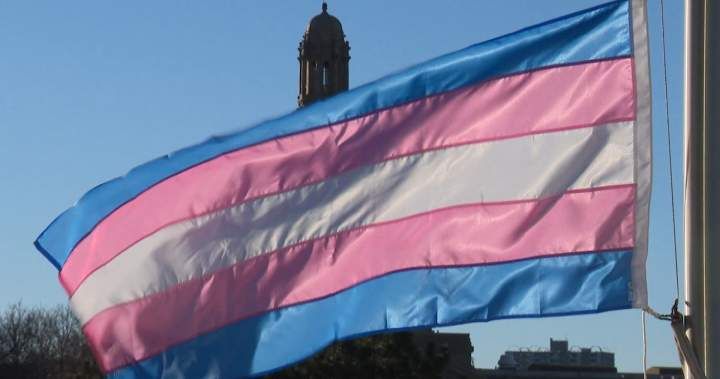
The Saddle Lake Cree Nation has taken the significant step of declaring its territory a safe haven for gender-affirming medical care, directly challenging Alberta's controversial new restrictions on treatments for transgender and gender-diverse youth. Located approximately 150 kilometers northeast of Edmonton near St. Paul, the First Nation is invoking historical treaty rights to assert jurisdiction over healthcare services for its community members. This bold move represents both a healthcare policy challenge and a broader assertion of Indigenous sovereignty in the face of provincial legislation.
The Treaty 6 foundation
At the core of Saddle Lake's position lies the "medicine chest clause" from Treaty 6, originally signed in 1876 between the Crown and First Nations in what is now central Alberta and Saskatchewan. Indigenous leaders have long interpreted this clause as a sacred promise guaranteeing comprehensive healthcare rights. Chief Dale Steinhauer emphasized this perspective in his Wednesday announcement, stating "All children, including trans and two-spirit children and their family, will have safety under our treaty." This interpretation directly contradicts the provincial government's stance that while Indigenous communities have healthcare access rights, they must operate within provincial health regulations.
Confronting Alberta's new restrictions
The First Nation's declaration comes as a direct response to legislation passed by Premier Danielle Smith's United Conservative Party government late last year. The law prohibits physicians from prescribing puberty blockers or hormone therapy to transgender youth under 16, with the government employing the Charter's notwithstanding clause to protect the legislation from constitutional challenges. Premier Smith has framed these restrictions as child protection measures focused on preserving fertility, while medical organizations and LGBTQ2S+ advocates argue they constitute dangerous barriers to evidence-based care.
Saddle Lake leadership views their initiative as protecting fundamental rights. Chief Steinhauer stated the community won't stand by while what they consider basic human rights and life-saving health services are denied. The First Nation is actively fundraising to develop comprehensive health laws and prepare for potential legal battles, signaling their commitment to this principled stand regardless of provincial opposition.
Indigenous sovereignty versus provincial authority
This conflict extends beyond healthcare policy into fundamental questions about the relationship between treaty rights and provincial jurisdiction. Mount Royal University political analyst Lori Williams contextualized the current tensions, noting "There have been negative comments made by both premier and senior members of our staff that were disrespectful of Indigenous people in the province, disrespectful of their rights and freedoms, their Constitutional rights, and even of their way of life." Williams warned that such dynamics make cooperative governance increasingly difficult.
The Saddle Lake initiative represents one of the most concrete applications of treaty rights to challenge provincial legislation in recent Alberta history. Their approach tests whether the "medicine chest clause" can legitimately override provincial health regulations when interpreted as guaranteeing healthcare autonomy. The First Nation plans to recruit clinicians to provide services on reserve land, asserting these professionals would be exempt from provincial regulatory sanctions, a claim likely to be tested in court.
Scientific and traditional knowledge alignment
The move has garnered support from medical and LGBTQ2S+ advocates who emphasize the alignment between evidence-based care and Indigenous cultural values. Senator Kristopher Wells, former Canada Research Chair for the public understanding of sexual and gender minority youth, praised the decision: "I commend Saddle Lake Cree Nation for following the evidence, science, and traditional teachings in providing inclusive barrier-free access to gender-affirming care for youth and families." Wells stressed that "Access to essential health care services without discrimination is a fundamental Charter and human right," highlighting how Saddle Lake's approach bridges Western medical practice and Indigenous cultural frameworks.
This perspective recognizes two-spirit identities as traditional components of many Indigenous cultures, contrasting with the provincial government's characterization of gender-affirming care as experimental or harmful. The First Nation's position integrates contemporary medical understanding with cultural continuity, offering an alternative paradigm for addressing gender diversity.
Implementation strategy and challenges
Saddle Lake Cree Nation is developing a multifaceted approach to make gender-affirming care practically accessible. Beyond recruiting healthcare providers, they are establishing legal and administrative frameworks to support service delivery under their own jurisdiction. This includes creating policies to protect both patients and practitioners from potential provincial repercussions. The community acknowledges the likelihood of legal challenges but appears prepared to defend their position through treaty rights arguments.
The initiative's success may depend on attracting sufficient medical professionals willing to practice under this model, as well as securing sustainable funding. While the First Nation expresses confidence in their treaty-based authority, the practical realities of operating a healthcare system in potential conflict with provincial regulations present significant logistical and financial hurdles.
Broader implications for Indigenous-provincial relations
This conflict occurs within a context of deteriorating relations between several Alberta First Nations and the UCP government. Analyst Lori Williams noted the cumulative effect of disrespectful comments from provincial leaders has damaged trust and collaboration. The gender-affirming care dispute now adds another layer to these tensions, with Saddle Lake asserting sovereignty in an area typically dominated by provincial authority.
The outcome could influence future interactions between Indigenous communities and provincial governments across Canada, particularly regarding healthcare delivery and the interpretation of treaty rights. Should Saddle Lake's approach prove viable, it might inspire other First Nations to assert similar autonomy in healthcare decisions, especially regarding services restricted or prohibited by provincial authorities.
National significance
While centered in Alberta, this conflict has national implications for several key issues: the ongoing reconciliation process between Indigenous peoples and Canada, provincial versus federal and treaty jurisdictions, and the nationwide debate about gender-affirming care for minors. Saddle Lake's strategy represents an innovative approach to protecting vulnerable community members by leveraging treaty rights, potentially offering a model for other Indigenous communities facing similar provincial restrictions across Canada.
As legal scholars and political observers watch developments closely, the situation may prompt broader discussions about how Canada's constitutional framework balances Indigenous rights, provincial authority, and healthcare access. The Saddle Lake Cree Nation's stance highlights how historical treaties remain living documents capable of informing contemporary policy debates in unexpected ways.