Black bear spotted roaming northwest Edmonton neighborhoods overnight
Residents in Edmonton's Cumberland and Canossa areas were surprised to find a black bear wandering through their streets early Tuesday morning, prompting wildlife officials to issue safety reminders about urban wildlife encounters.
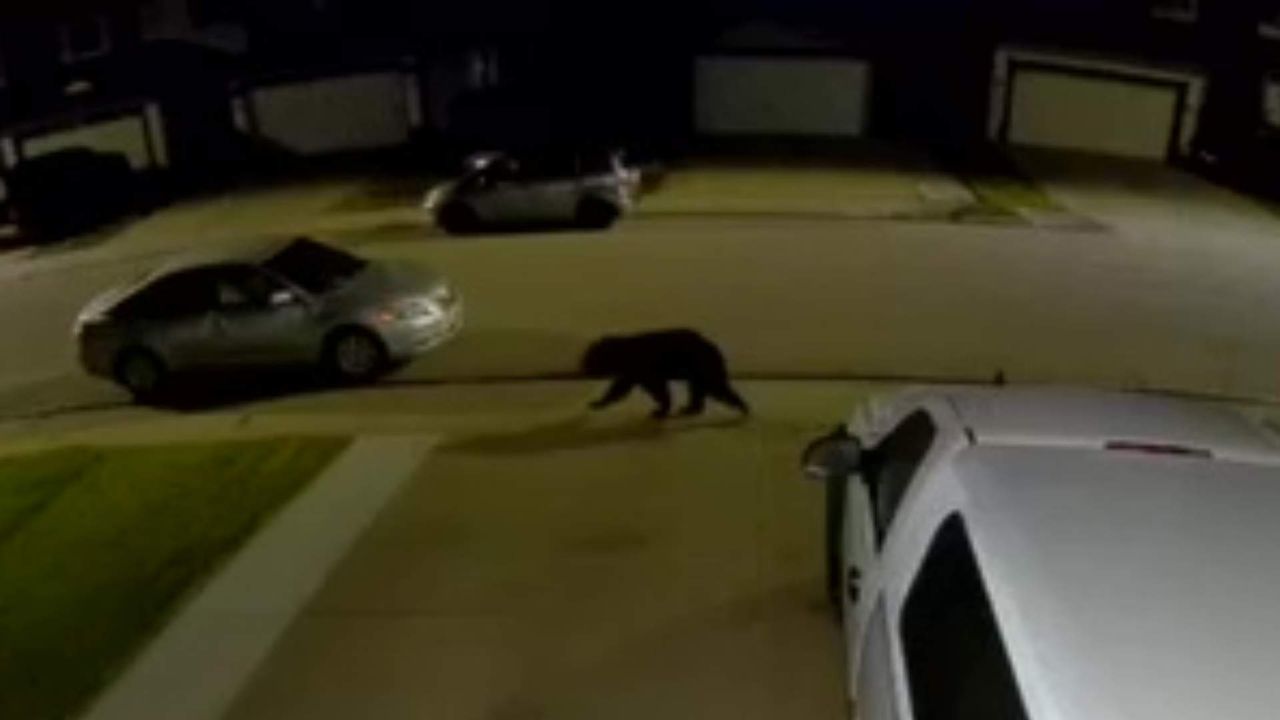
Residents across multiple neighborhoods in northwest Edmonton experienced an extraordinary wildlife encounter in the early hours of Tuesday morning when a black bear was spotted moving through residential areas. Home security cameras in the Cumberland and Canossa communities captured clear footage of the bear handling streets and sidewalks between midnight and 1:30 a.m., with the videos shared with Global News showing the animal's surprising urban journey.
Unexpected wildlife in urban settings
The bear's presence created a wave of astonishment among residents who never expected to see such wildlife in their urban environment. Meagan Hamilton, a Cumberland resident, described her reaction to seeing the bear on her security camera: "I was just flabbergasted. I couldn't believe that was actually happening." The footage showed the small black bear moving calmly through her yard, past parked vehicles, and down the residential street. What made the sighting particularly notable was the distance between locations where the bear was spotted - the Cumberland and Canossa neighborhoods are separated by more than a dozen blocks in the Castle Downs area.
Another resident, Donna Davies from Canossa, had an even more dramatic wildlife encounter that night. She awoke to unusual howling sounds around midnight and checked her security system to make an unexpected discovery. "I got up to see what the fuss was about and I saw a coyote chasing a bear into our cul-de-sac," Davies recounted. The interaction between two wild species in a residential area underscored how urban environments can sometimes become temporary habitats for wildlife.
Official response and monitoring
Authorities quickly mobilized after receiving multiple reports about the bear's presence. Alberta Fish and Wildlife was alerted through the Edmonton Police Service, which had fielded calls about sightings between midnight and 1:30 a.m. in areas near Cumberland and Oxford neighborhoods, east of St. Albert Trail and south of Anthony Henday Drive. The provincial Ministry of Public Safety and Emergency Services confirmed in a statement that there were no reports of aggressive behavior from the bear, nor any property damage or access to food attractants. Importantly, no additional sightings had been reported after the initial flurry of observations in the early morning hours.
The provincial statement also provided context about seasonal wildlife patterns, noting that as black bears enter their peak feeding season, they may travel through green spaces and occasionally into urban areas while searching for food. Officials emphasized preventive measures residents could take, specifically advising people to secure potential wildlife attractants like garbage bins, bird feeders, pet food left outdoors, barbecue equipment, and fallen fruit from trees.
Ecological context of urban wildlife
Mark Boyce, a professor of ecology at the University of Alberta, provided expert insight into why bears might venture into urban environments. He explained that the northwest area of Edmonton where the bear was spotted is particularly susceptible to such visits due to its proximity to natural corridors. "They come up the river valley and that area up in the northwest is right close to Lois Hole Provincial Park and the Sturgeon River and there's lots of good berry habitat," Boyce told Global News. These natural pathways allow wildlife to move between wilderness areas while sometimes bringing them into contact with urban development.
Boyce also highlighted the seasonal factors that make September a particularly active time for bear movements. "They need to put on about 25 per cent of their body weight in the fall to be able to make it through to the winter, so this time of year they are feeding heavily," he explained. This intense feeding drive can sometimes override an animal's normal avoidance of human settlements, especially when natural food sources may be scarce. "Anything they can get to eat, they're after it," Boyce added, emphasizing the powerful biological imperatives that can bring wildlife into urban spaces.
Historical context of urban bear sightings
While surprising to current residents, this wasn't the first instance of bear sightings in Edmonton's urban areas. A notable precedent occurred in June 2015 when a black bear was spotted multiple times in the North Saskatchewan River valley. These historical incidents demonstrate that wildlife occasionally traverses through or even establishes temporary presence in urban environments, particularly when natural corridors intersect with city spaces.
Davies' comment about the recent sighting - "We don't expect it here, but I guess you have to be bear aware in the city as well" - captures the cognitive adjustment many urban residents must make when confronted with unexpected wildlife. Her expressed hope that "it would be captured and taken safely out of the city" reflects a common public sentiment about wanting both human safety and animal welfare in such situations.
Public safety recommendations
The provincial authorities provided specific guidelines for residents who might encounter a bear in urban settings. Their primary advice emphasizes calm, non-threatening behavior: remaining still, avoiding running (which might trigger a chase response), and backing away slowly while speaking in a calm voice to identify oneself as human. Additional recommendations included keeping pets leashed during potential wildlife encounters and avoiding areas where a bear has been recently spotted to prevent unexpected confrontations.
For reporting wildlife sightings, officials established clear protocols. Residents are asked to immediately contact either the Edmonton Police Service or Alberta Fish and Wildlife's 24-hour Report-A-Poacher line at 1-800-642-3800. Quick reporting enables wildlife professionals to assess situations and intervene if necessary to ensure public safety and animal welfare.
Broader implications of urban wildlife encounters
This incident serves as a tangible example of the increasing interface between urban development and natural wildlife habitats in Alberta. As cities expand and wildlife adapts to changing environmental conditions, such encounters may become more frequent, requiring both public awareness and urban planning considerations. The peaceful nature of this particular bear's movements through residential areas demonstrates that coexistence is possible when proper precautions are observed.
The event also highlights the importance of maintaining functional wildlife corridors and green spaces within urban planning frameworks. These natural pathways allow animals to move between habitats without becoming trapped in developed areas, reducing potential conflicts. For residents, the incident serves as a valuable reminder that wildlife awareness shouldn't be limited to wilderness areas but should extend to urban environments, especially those near natural features like river valleys or protected parks.
Community response and wildlife coexistence
The measured responses from both residents and authorities in this situation demonstrate a growing understanding of how to manage urban wildlife encounters. Residents showed appropriate caution by reporting sightings rather than approaching the animal, while officials provided clear, science-based guidance about both prevention and response. This collaborative approach between community members and wildlife professionals creates safer outcomes for both humans and animals.
As climate patterns shift and urban areas continue to expand, such encounters may provide valuable case studies for developing best practices in wildlife management and urban planning. The incident underscores the importance of public education about local ecosystems and the species that share our environments, even in highly developed areas. By understanding wildlife behavior and maintaining proper precautions, urban residents can play an active role in promoting safe coexistence with the natural world that surrounds their communities.