Study finds London's low-emission zones restored children's lung capacity
Research shows significant lung health improvements in children after London implemented vehicle pollution restrictions in designated clean air zones.
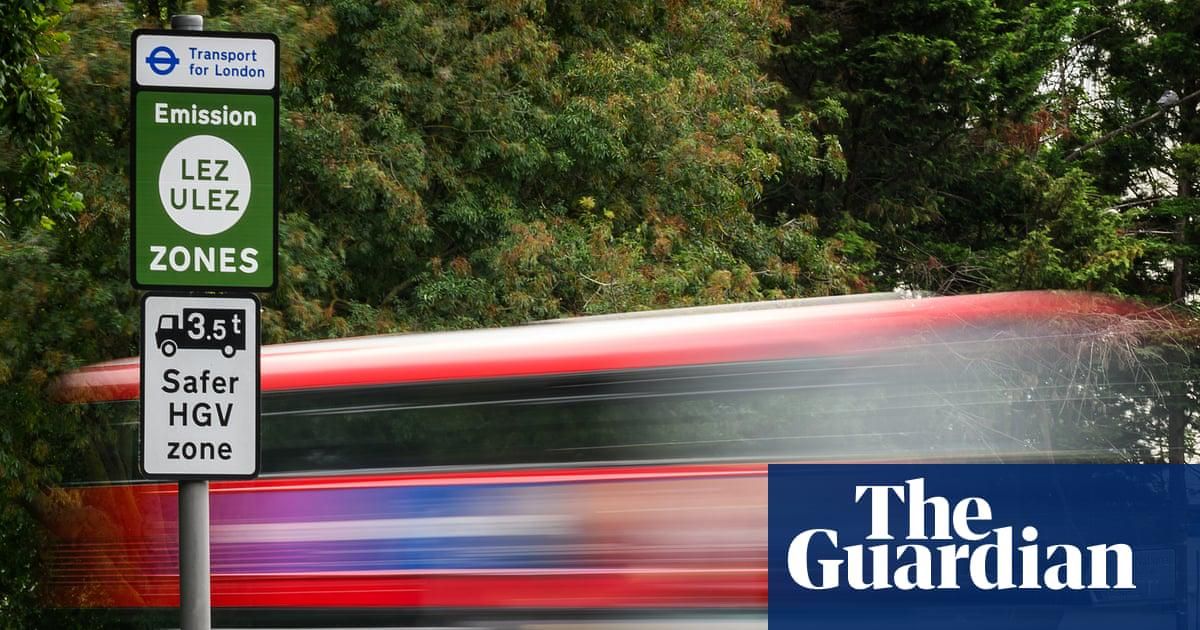
Children living in London's ultra-low emission zones showed marked improvements in lung capacity after the city restricted high-pollution vehicles, according to new research from Queen Mary University of London and Oxford University. The four-year study of over 3,000 schoolchildren provides the first direct evidence linking clean air policies to measurable health benefits in young populations. The findings offer critical validation for urban environmental policies that have often faced political resistance and public skepticism.
The key findings
The study compared lung development in children aged six to nine across two locations: central London, where ultra-low emission zones (ULEZ) were implemented, and Luton, a town without such policies. Researchers found the percentage of London children with impaired lung function dropped from 14% to 9% during the study period, while Luton saw a smaller decrease from 9% to 7%. This five percentage point improvement in London represents a 35% reduction in cases of impaired lung function among children exposed to cleaner air.
The research team noted that while both locations showed some improvement, likely due to broader environmental factors like vehicle technology improvements, the significantly greater gains in London point clearly to the additional benefits of targeted clean air policies. "To our knowledge, we provide the first evidence that air quality improvements following introduction of a clean air zone are associated with improved lung growth trajectories in children," the study's authors wrote. The accelerated lung growth correlated directly with reductions in nitrogen dioxide levels from traffic pollution, establishing a clear cause-and-effect relationship.
How the emission zones work
London's ULEZ policy, introduced by Mayor Sadiq Khan seven years ago, prohibits older, high-pollution vehicles from operating in designated areas without paying substantial fees. The zones initially covered central London before expanding to include all areas within the city's boundaries. Vehicles that don't meet strict emissions standards must pay a daily charge of £12.50 (about $21 CAD) to enter the zone, creating a financial incentive for drivers to switch to cleaner vehicles.
The initiative faced significant opposition initially, with critics accusing city officials of declaring "war on drivers in blind pursuit of a policy that may not even work," as Khan recounted in a recent Guardian essay. Many opponents argued the economic impacts would outweigh any potential benefits, while others questioned whether such measures could actually improve air quality given London's complex pollution sources. The new study provides robust data countering these objections by demonstrating concrete health improvements resulting directly from the policy.
The zones target nitrogen dioxide emissions specifically, which the study identified as directly linked to stunted lung development. Researchers found children's previously diminished lung capacity returned to healthy levels after implementation of the clean air measures. This recovery suggests that some pollution-related damage to developing lungs may be reversible with timely intervention, a finding with important implications for pediatric health worldwide.
The long-term health implications
Impaired lung development in childhood carries lifelong consequences, according to the research team. Their findings show failure to reach maximal lung growth increases risks for asthma, chronic obstructive pulmonary disease, cardiometabolic conditions, and premature mortality. The study highlights how early exposure to traffic pollution can set children on trajectories toward chronic health problems that persist throughout their lives.
"Exposure to traffic related air-pollution is strongly linked to impaired lung development in children and adolescents," the study states. The researchers emphasize that while lung capacity improved in both locations, the more significant gains in London demonstrate the effectiveness of targeted policy interventions. These findings add to growing evidence showing how environmental factors in childhood influence health outcomes decades later, strengthening the case for early interventions to prevent chronic disease.
Global applications and policy context
The study's authors argue their findings should prompt international expansion of clean air zones. "Children continue to be exposed to poor air quality in cities globally," they wrote. "Decision makers globally should consider accelerating the introduction of clean air zones to improve children's lung health." The research provides a template for how cities can implement and evaluate similar programs, with measurable health outcomes serving as key performance indicators.
Currently, no Canadian cities have implemented comparable low-emission zones, though Toronto has explored congestion charges and pollution restrictions for major thoroughfares. The federal government does enforce progressively stricter vehicle emission standards nationwide, but lacks the localized zoning approach that proved effective in London. Many European cities have adopted various forms of low-emission zones, but few have been studied as rigorously as London's program.
The economic and political dimensions
The study's findings arrive amid ongoing debates about the costs and benefits of environmental regulations. While clean air policies often face resistance due to concerns about economic impacts, this research demonstrates concrete health savings that could offset implementation costs. The researchers note that preventing childhood lung impairment could reduce future healthcare expenditures for asthma treatment, COPD management, and other pollution-related conditions.
Political challenges remain significant, as evidenced by the initial opposition to London's program. The study provides ammunition for policymakers advocating similar measures by showing they can deliver measurable improvements in population health. The findings may help shift public perception by demonstrating that clean air zones are not just abstract environmental measures, but concrete public health interventions with immediate benefits for children.
Future research directions
While this study focused on lung development, the researchers note that reduced air pollution likely benefits other aspects of children's health as well. Future studies could examine impacts on cognitive development, cardiovascular health, and other systems known to be affected by air quality. Longer-term follow-up could also track whether the observed improvements in lung function persist into adolescence and adulthood.
The study also raises questions about whether similar benefits could be achieved through alternative policy approaches, such as accelerated vehicle fleet turnover or expanded public transit. Comparative studies across cities with different policy mixes could help identify the most effective combinations of measures for improving urban air quality and children's health.