Heathrow air traffic control system failure causes global flight disruptions, impacts Toronto Pearson operations
A prolonged technical failure in Heathrow Airport's air traffic control system created widespread flight cancellations and delays across multiple continents, with significant ripple effects at Toronto Pearson International Airport as airlines adjusted transatlantic schedules.
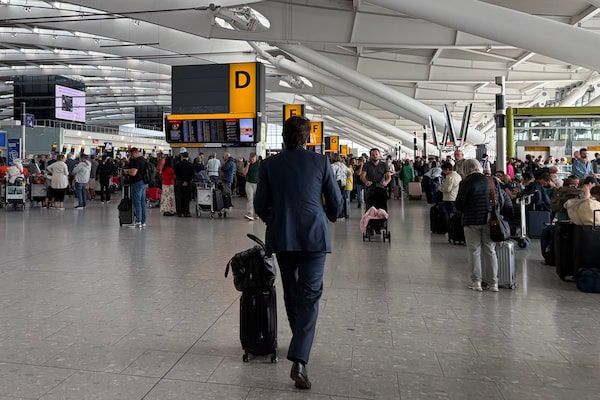
A critical failure in Heathrow Airport's air traffic control infrastructure on Tuesday created one of the most significant aviation disruptions of 2024, grounding hundreds of flights across Europe and triggering international scheduling chaos that extended to Toronto Pearson International Airport. The incident, which lasted approximately five critical hours during peak transatlantic travel times, exposed systemic vulnerabilities in global aviation networks that connect through major international hubs.
Technical crisis unfolds at world's busiest hub
The operational crisis began when NATS, the UK's privatized air traffic control service provider, detected unexplained technical issues in their systems around 9 a.m. Eastern Time. The organization's initial social media alert via platform X framed the problem as affecting departure operations, but within three hours the situation escalated to impact both arriving and departing flights across multiple UK airports. Heathrow Airport, which normally handles about 80 million passengers annually across its four operational terminals, quickly became the epicenter of the disruption.
Heathrow's communications team moved swiftly to coordinate passenger advisories, posting on social media that they were supporting NATS engineers while cautioning travelers to verify flight status before approaching the airport. The technical nature of the failure remained undisclosed, though aviation experts noted that modern air traffic control systems rely on complex integrations between radar systems, flight data processors, and communication networks - any of which could trigger widespread outages if compromised.
Transatlantic impacts hit Canadian travelers
Toronto Pearson International Airport, which operates an average of 15 daily flights to Heathrow under normal conditions, immediately felt secondary effects from the UK disruption. Several scheduled departures to London were cancelled outright while inbound flights faced lengthy delays or diversions. The precise number of affected flights at Pearson wasn't immediately available, but airport officials confirmed significant schedule adjustments affecting multiple airlines including Air Canada, British Airways, and WestJet.
The disruption created particular challenges for passengers with connecting flights through Heathrow, one of the world's busiest international transfer points. Many travelers bound for European, African, and Middle Eastern destinations found themselves stranded in Toronto or forced to seek alternative routing through other European hubs. The timing proved especially problematic as August represents peak summer travel season with historically high load factors leaving minimal available seats for rebooking.
Extended resolution and recovery challenges
NATS engineers required nearly six hours to fully resolve the technical issue, announcing system restoration around 2:30 p.m. Eastern Time while acknowledging the fix took significantly longer than initial projections. The statement emphasized efforts to clear the substantial backlog of delayed flights, a process aviation analysts predicted would require at least 24-48 hours given Heathrow's tightly coordinated slot system and limited spare capacity.
Recovery operations involved complex coordination between airport authorities, airlines, and ground handlers to prioritize aircraft movements. Some carriers implemented contingency plans including operating extra sections on high-demand routes or utilizing larger aircraft where available. However, crew scheduling limitations and aircraft positioning challenges created additional complications, particularly for long-haul international services where flight deck crews face strict duty time regulations.
Historical precedents and systemic vulnerabilities
Tuesday's incident represents the latest in a series of major air traffic control failures affecting global aviation in recent years. In December 2023, a separate UK system outage during peak holiday travel disrupted over 300,000 passenger journeys. Similar incidents have occurred with increasing frequency across North America and Europe, including a 2021 FAA system failure in the U.S. that grounded thousands of flights and a 2018 European air traffic control outage that lasted nearly 12 hours.
These recurring disruptions highlight fundamental challenges facing aviation infrastructure as traffic volumes return to pre-pandemic levels. While airlines have invested heavily in modernizing passenger-facing technologies, many core air traffic management systems still rely on legacy technologies with limited redundancy. The concentration of international traffic through a handful of mega-hubs like Heathrow creates additional systemic risks where single points of failure can generate worldwide operational impacts.
Passenger rights and compensation frameworks
Affected travelers face varying compensation rights depending on their itinerary and circumstances. Passengers departing from UK or EU airports may qualify for compensation under EC Regulation 261/2004 if delays exceed three hours, with potential payouts reaching €600 depending on flight distance. Those traveling solely within Canada or between Canada and international destinations should consult Canada's Air Passenger Protection Regulations, though coverage for technical failures outside airline control remains limited.
Aviation consumer rights advocates recommend that affected passengers document all expenses incurred due to delays, maintain detailed records of communications with airlines, and submit compensation claims promptly. Many travel insurance policies provide additional protection for trip interruptions caused by such operational disruptions, though coverage terms vary significantly between providers.
Broader implications for aviation infrastructure
This latest disruption raises urgent questions about the resilience of global aviation infrastructure as climate change and increasing traffic volumes create new operational challenges. While unrelated to Tuesday's technical failure, the coincidence of extreme weather events in multiple regions - including torrential rainfall in Toronto - underscores the compound risks facing modern air travel systems.
Industry analysts note that air traffic management modernization programs in many countries have faced funding challenges and implementation delays, leaving critical systems vulnerable to both technical failures and emerging cybersecurity threats. The increasing concentration of international traffic through major hubs creates additional systemic risks that regulators and operators must address through improved redundancy, cross-border coordination, and investment in next-generation technologies.
For the traveling public, the Heathrow incident serves as a stark reminder of air travel's inherent vulnerabilities in an interconnected global network. As airlines and airports work to restore normal operations, passengers worldwide face renewed awareness that even brief technical failures at major hubs can create days of disruption across multiple continents - a reality that may prompt travelers to build additional flexibility into their plans during peak travel periods.