Vehicle fire causes significant damage to Brampton home garage, all residents safely accounted for
A vehicle fire at a Brampton residence resulted in a completely charred car and damage to the home's garage area, with smoke damage to the exterior. Peel Regional Police confirmed no injuries occurred and all residents were safely accounted for following the Tuesday incident on Ballyshire Drive.
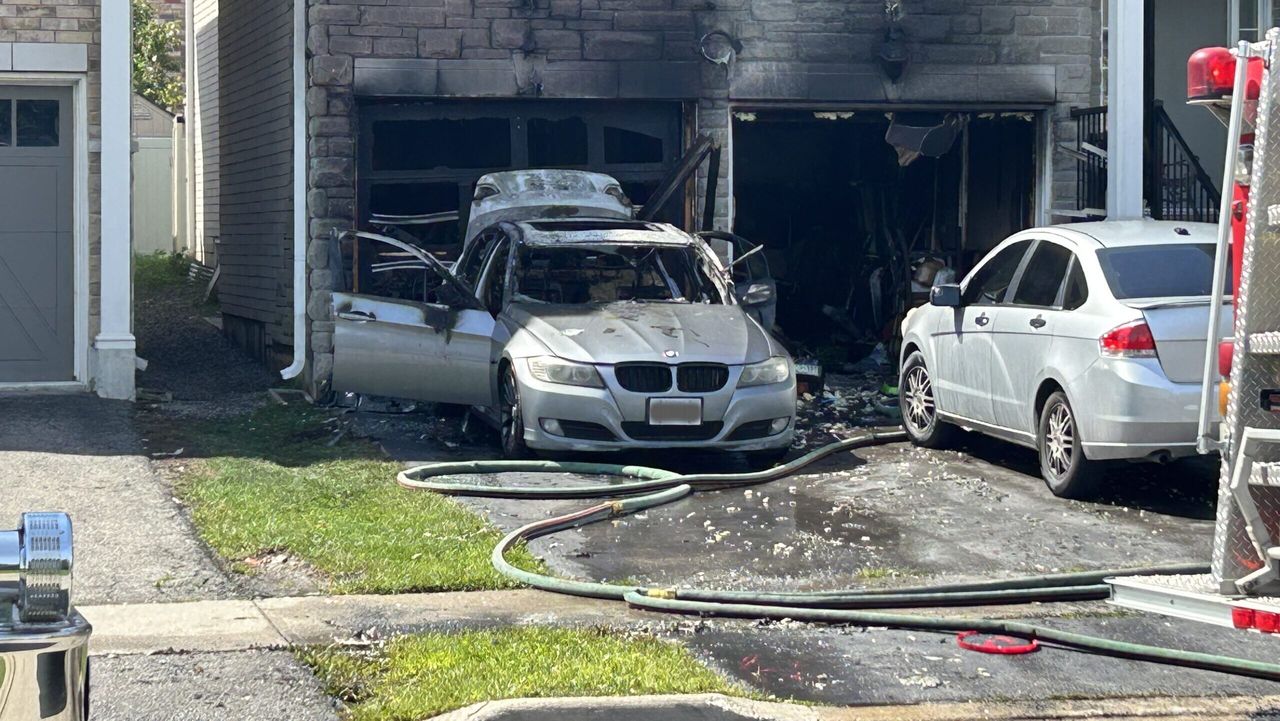
Emergency crews responded to a significant vehicle fire at a residential property in Brampton on Tuesday that left a car completely destroyed and caused substantial damage to the home's garage area. The incident, occurring on Ballyshire Drive near the intersection of Queen Street East and McVean Drive, required prompt action from firefighters who successfully contained the blaze before it could spread further into the residential structure. Peel Regional Police Service (PRPS) confirmed to CityNews that all residents were safely accounted for following the incident, with no injuries reported among occupants or first responders.
Detailed account of the vehicle fire
The vehicle fire broke out during daytime hours, though authorities have not specified the exact time of ignition. Photographic evidence from the scene reveals the intensity of the blaze, showing the vehicle reduced to a burned-out shell with no salvageable components remaining. The proximity of the vehicle to the residential structure created a dangerous situation, as the heat from the fire caused visible damage to the home's garage door and left distinct smoke stains on the brick facade. The positioning of vehicles near residential structures remains a common practice in suburban neighborhoods like this Brampton community, raising important safety considerations.
Emergency response and resident safety
Peel Regional Police Service spokesperson emphasized that all residents were successfully evacuated and accounted for following the incident. The police have not disclosed specific details about the number of occupants in the home at the time or the residential configuration of the property. Fire crews demonstrated exemplary response times and effectiveness in containing the fire primarily to the vehicle and immediate garage area. Their rapid intervention likely prevented more extensive structural damage to the home, as vehicle fires can generate extremely high temperatures capable of compromising building materials quickly.
Extent and nature of property damage
The visual documentation of the scene indicates the fire was largely confined to the vehicle and garage area, though the smoke damage visible on the home's exterior suggests significant thermal output. The complete destruction of the vehicle leaves no question about its status as a total loss, with photographs showing extensive charring of both interior and exterior components. While the garage door sustained measurable damage, it remains unclear whether the fire penetrated into the garage interior or affected the home's structural integrity beyond surface-level smoke discoloration. Insurance assessors will need to thoroughly evaluate potential smoke infiltration through the home's ventilation system and any related air quality concerns.
Investigation status and potential causes
Authorities have not released information regarding the fire's origin or whether it's being treated as suspicious. Standard investigative procedures for vehicle fires typically examine multiple potential causes including mechanical failures, electrical system malfunctions, or external factors. The absence of immediate cause determination suggests investigators are conducting thorough examinations of the vehicle's remains and surrounding area. Modern vehicle fire investigations often involve specialists who can identify telltale patterns in burn marks and melted components that point to specific ignition sources.
Community safety implications
This incident highlights important considerations about residential vehicle storage and fire safety protocols. Many homeowners in suburban communities like Brampton routinely park vehicles in driveways adjacent to their homes or in attached garages, creating inherent fire risks. The rapid progression of this particular fire demonstrates how quickly a vehicle fire can threaten nearby structures. Local fire prevention experts often recommend maintaining clear space around parked vehicles, storing flammable materials separately, and ensuring functional smoke detectors in garage areas. This event may prompt neighborhood associations and community groups to revisit their fire safety education programs.
Broader context of vehicle fire risks
While specific Brampton statistics weren't provided in this case, vehicle fires represent a persistent safety challenge across Canadian urban and suburban areas. National data indicates that hundreds of vehicle fires occur annually, with causes spanning mechanical failures, electrical system malfunctions, collisions, and intentional acts. The Brampton incident serves as a particularly relevant example of how these fires create secondary risks when they occur in residential settings. Modern vehicles contain numerous flammable components and increasingly powerful energy storage systems that can contribute to rapid fire development and intense heat generation.
Prevention strategies and safety recommendations
This fire underscores the importance of regular vehicle maintenance and residential fire preparedness. Proactive measures such as routine vehicle inspections can identify potential fire risks like fluid leaks or electrical issues before they lead to dangerous situations. Home safety experts recommend keeping fire extinguishers rated for multiple fire types (including electrical and liquid fuel fires) in accessible locations near vehicle parking areas. The successful outcome in this Brampton case, with no injuries reported, suggests proper emergency response protocols were followed, though it also highlights the value of preventative measures that could reduce such incidents altogether.
Moving forward for affected residents and community
As authorities potentially continue their investigation into the fire's origins, the Brampton community may see increased focus on residential fire safety education. Local fire departments often use such incidents as opportunities to reinforce prevention messaging and promote safety checks. For the directly affected homeowners, the coming weeks will involve handling insurance claims, coordinating property repairs, and arranging vehicle replacement. While the incident fortunately resulted in no physical injuries, it leaves behind tangible evidence of how quickly routine situations can escalate when fire becomes involved, serving as a sobering reminder for all community members about the importance of fire safety awareness and preparation.