Minimum Wage Hikes Coming to Several Canadian Provinces in 2023
Five provinces and one territory will raise minimum wages on April 1, with more increases planned later this year as jurisdictions grapple with inflation. While some regions implement multiple increases, three of Canada's most populous provinces will maintain current wage levels.
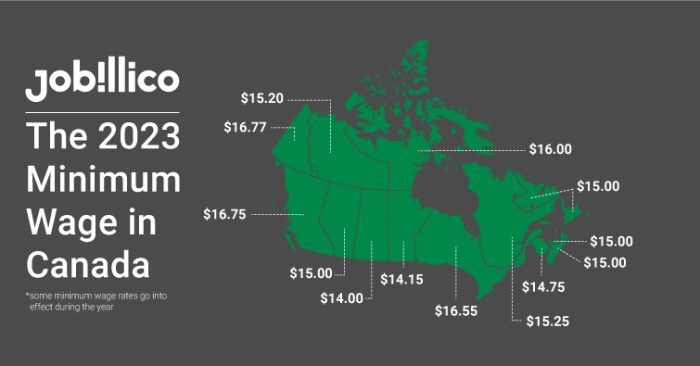
As Canadians continue grappling with rising costs of living, several provincial and territorial governments are implementing minimum wage increases to help workers keep pace with inflation. Five provinces and one territory will see their first round of wage hikes take effect on April 1, with additional increases scheduled later in 2023. This patchwork approach to minimum wage adjustments highlights the decentralized nature of labor policy in Canada and the varying economic strategies across jurisdictions.
The April 1 Minimum Wage Increases
Workers in Manitoba, New Brunswick, Nova Scotia, Newfoundland and Labrador, and Yukon will receive pay raises starting April 1. These initial increases represent the first phase of minimum wage adjustments planned for 2023 in these jurisdictions. While the exact dollar amounts of these increases weren't specified in the source material, the timing aligns with the start of the fiscal year for many businesses and governments. This coordinated timing suggests provinces are attempting to balance worker needs with business planning cycles.
The decision to implement multiple increases throughout the year rather than a single annual adjustment reflects the rapid inflation Canada has experienced recently. By staggering increases, provinces can respond more dynamically to changing economic conditions without waiting for the next budget cycle.
Additional Increases Coming Later This Year
Several provinces have scheduled further minimum wage adjustments beyond the April 1 changes. Quebec, Saskatchewan and Prince Edward Island will implement their own wage hikes later in 2023, though specific dates and amounts weren't provided. This multi-stage approach to wage increases demonstrates how provincial governments are attempting to balance immediate relief for workers with longer-term economic stability.
The Northwest Territories is taking a unique approach by fundamentally changing how its minimum wage gets calculated moving forward. While details about the new formula weren't disclosed, this structural change could provide more automatic adjustments tied to economic indicators rather than requiring periodic legislative action. Such mechanisms can help maintain worker purchasing power without constant political debates over appropriate wage levels.
The Holdout Provinces
Three of Canada's four most populous provinces - Ontario, British Columbia and Alberta - won't implement any minimum wage increases in 2023. This decision creates notable regional disparities in worker compensation across the country. Ontario and British Columbia both raised their minimum wages last year, suggesting their current rates may still be deemed adequate by policymakers.
Alberta's situation is particularly notable as the province hasn't adjusted its $15 per hour minimum wage since 2019. This four-year freeze means Alberta's lowest-paid workers have effectively seen significant reductions in real purchasing power due to cumulative inflation since the last increase. Nunavut also joins these provinces in maintaining its current minimum wage through 2023.
The Inflation Context
These wage adjustments occur against a backdrop of persistent inflation that has eroded consumer purchasing power across Canada. While inflation rates have moderated from their 2022 peaks, prices for many essential goods and services remain substantially higher than pre-pandemic levels. Food prices in particular continue rising at rates that strain household budgets.
Minimum wage increases represent a direct policy tool governments can use to boost worker incomes, but they remain controversial among economists. Proponents argue they help low-wage workers maintain basic living standards, while critics suggest they may lead to reduced hiring or higher consumer prices as businesses adjust to increased labor costs. The provincial divide on wage adjustments reflects these ongoing debates about the best approaches to supporting workers during economic uncertainty.
Skilled Trade Salaries Offer Alternative
For workers seeking higher earning potential without necessarily pursuing university degrees, skilled trades continue offering lucrative career paths. In Ontario, electricians command average salaries of $91,635 according to recent data, while painters and decorators earn $76,338. These figures substantially exceed typical minimum wage earnings and often require relatively short training periods compared to white-collar professions needing advanced degrees.
The strong demand for skilled trades workers creates opportunities for career changers or those entering the workforce. Ontario currently faces shortages in these occupations, making this an opportune time for individuals to consider vocational training. The earning potential in these fields may prompt more workers to view trades as viable alternatives to low-wage service jobs, potentially reshaping labor market dynamics.
Regional Policy Differences and Their Implications
The varying approaches to minimum wage policy across Canada highlight the complex balance between provincial autonomy and national economic cohesion. While some jurisdictions aggressively raise wages to match inflation, others maintain static rates due to different economic conditions or political philosophies. This creates a patchwork of worker protections that can influence business decisions and labor mobility.
The growing gap between provinces implementing regular increases and those maintaining fixed rates may fuel debates about income inequality and the adequacy of minimum wages as living wages. Workers in provinces without increases face eroding purchasing power, potentially increasing pressure on social services and affecting local economies. These disparities could also influence migration patterns as workers seek jurisdictions with more favorable wage policies.
The Future of Minimum Wage Policy
As Canada navigates ongoing economic uncertainty, minimum wage policies will likely remain a contentious issue. The Northwest Territories' move to reform its calculation method suggests some jurisdictions are exploring more systematic approaches to wage adjustments. Other provinces may follow suit if these mechanisms prove effective at maintaining worker incomes without requiring frequent political intervention.
The contrast between provinces implementing multiple increases and those holding rates steady provides a natural experiment in different approaches to supporting low-wage workers. Observing the economic outcomes in these various jurisdictions could inform future policy decisions across the country. Regardless of the approach, the fundamental challenge remains balancing worker needs with broader economic stability in an era of persistent inflation.